Introduction to Multi-Tenant SaaS Architecture
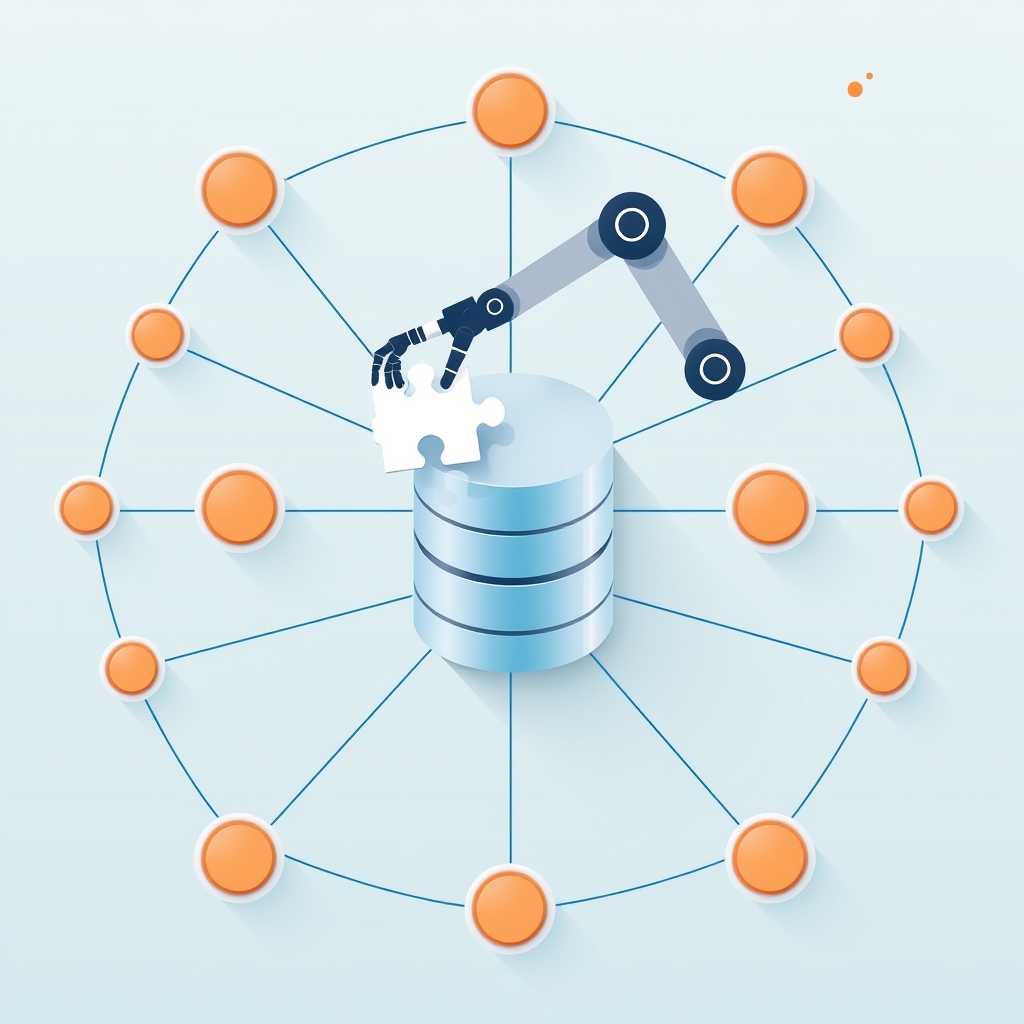
When designing and building software as a service (SaaS) applications, one crucial decision is the architecture type. A Multi-Tenant SaaS architecture is a popular choice, where a single instance of the application serves multiple clients, with each client's data isolated and secure. This approach offers numerous benefits, including reduced costs, increased scalability, and simplified maintenance. As a founder, product manager, or operations leader at a growing company, understanding the ins and outs of Multi-Tenant SaaS architecture is vital for making informed decisions about your SaaS product.
For companies in the healthcare industry, for example, custom software solutions can be particularly beneficial in streamlining operations and improving patient care. A well-designed Multi-Tenant SaaS application can help achieve these goals while ensuring the security and integrity of sensitive patient data.
Key Benefits of Multi-Tenant Architecture for SaaS
The benefits of a Multi-Tenant SaaS architecture are numerous. Firstly, it allows for significant cost savings, as a single instance of the application can serve multiple clients, reducing the need for duplicate infrastructure and maintenance efforts. Secondly, it enables scalability, as new clients can be easily added to the existing infrastructure without requiring significant upgrades or changes. Finally, it simplifies maintenance, as updates and patches can be applied to a single instance of the application, rather than multiple separate instances.
These benefits are particularly important for growing companies, where resources are often limited, and the need for scalability and flexibility is high. By leveraging a Multi-Tenant SaaS architecture, companies can focus on developing and improving their core product, rather than worrying about the underlying infrastructure.
Designing for Scalability and Performance in Multi-Tenant SaaS
When designing a Multi-Tenant SaaS application, scalability and performance are critical considerations. This involves ensuring that the application can handle increased traffic and usage without compromising performance, as well as designing the database and infrastructure to support multiple clients. By using techniques such as load balancing, caching, and database sharding, developers can ensure that the application remains responsive and performant, even under heavy loads.
For companies looking to build custom SaaS applications, working with an experienced development partner can help ensure that the application is designed with scalability and performance in mind. This can involve leveraging technologies such as cloud computing, containerization, and orchestration to create a highly scalable and performant application.
Security Considerations for Multi-Tenant SaaS Applications
Security is a top concern for any SaaS application, and Multi-Tenant SaaS applications are no exception. With multiple clients sharing the same instance of the application, ensuring the security and integrity of each client's data is crucial. This involves implementing robust access controls, encrypting sensitive data, and ensuring that each client's data is properly isolated and secured.
For companies handling sensitive data, such as healthcare or financial information, ensuring compliance with relevant regulations and standards is essential. Our guide to SaaS data privacy compliance provides an overview of the key considerations and best practices for ensuring the security and integrity of sensitive data in Multi-Tenant SaaS applications.
Implementing Role-Based Access Control in Multi-Tenant SaaS
Role-based access control (RBAC) is an essential feature of any Multi-Tenant SaaS application, allowing administrators to control access to sensitive data and functionality based on a user's role or permissions. By implementing RBAC, developers can ensure that users only have access to the data and features they need to perform their jobs, reducing the risk of unauthorized access or data breaches.
Implementing RBAC in a Multi-Tenant SaaS application requires careful planning and design, taking into account the specific needs and requirements of each client. By working with an experienced development partner, companies can ensure that their application is designed with RBAC in mind, providing a secure and scalable solution for their clients.
Best Practices for Data Isolation in Multi-Tenant Environments
Data isolation is critical in Multi-Tenant SaaS environments, where multiple clients share the same instance of the application. To ensure the security and integrity of each client's data, developers must implement robust data isolation measures, such as using separate databases or schemas for each client, or implementing row-level security to restrict access to sensitive data.
For companies looking to learn more about Multi-Tenant SaaS architecture and data isolation, our pillar guide to custom SaaS provides a comprehensive overview of the key considerations and best practices for designing and building scalable, secure, and performant SaaS applications.
Common Pitfalls to Avoid in Multi-Tenant SaaS Development
When developing a Multi-Tenant SaaS application, there are several common pitfalls to avoid. These include failing to properly isolate client data, neglecting to implement robust access controls, and failing to design the application with scalability and performance in mind. By being aware of these potential pitfalls, developers can take steps to avoid them, ensuring that their application is secure, scalable, and performant.
For companies looking to avoid these pitfalls and ensure the success of their Multi-Tenant SaaS application, working with an experienced development partner can provide valuable guidance and expertise. Our team at SiteFusion has extensive experience in building custom SaaS applications, and can help companies navigate the complexities of Multi-Tenant SaaS development.
Conclusion and Next Steps for Building Successful Multi-Tenant SaaS Products
In conclusion, building a successful Multi-Tenant SaaS product requires careful planning, design, and development. By understanding the key benefits and considerations of Multi-Tenant SaaS architecture, companies can create scalable, secure, and performant applications that meet the needs of their clients. For companies looking to get started with Multi-Tenant SaaS development, our team at SiteFusion is here to help. With our expertise in custom SaaS development and post-launch support, we can help you build a successful Multi-Tenant SaaS product that drives business growth and success. Book a call with us today to learn more about how we can help you achieve your SaaS goals.