SOC 2 Checklist for Founders: A Practical Step‑by‑Step Guide
A step‑by‑step SOC 2 checklist for founders that aligns security with product roadmaps, from scoping systems to implementing least‑privilege access and core controls.

Field notes on product strategy, delivery, launch work, AI tooling, and the systems behind teams that outgrew spreadsheets.
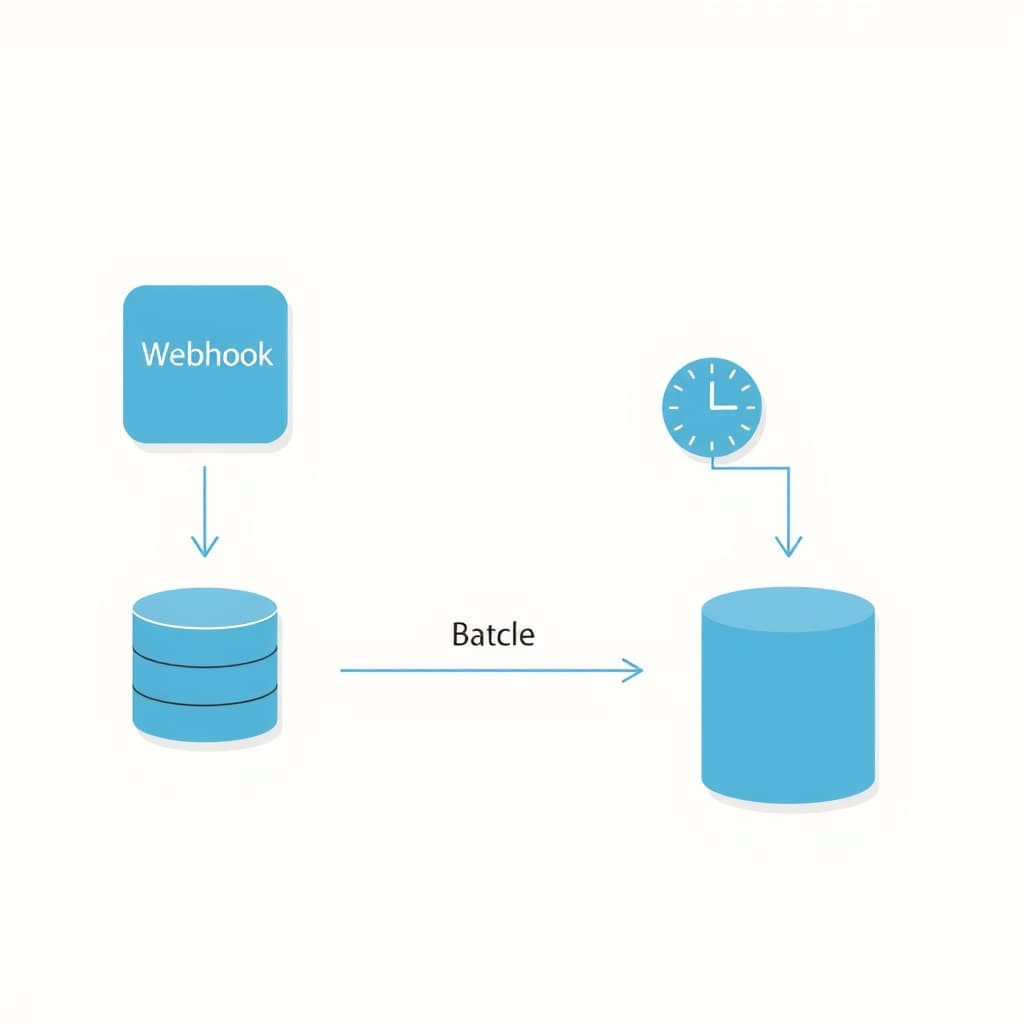
The hybrid webhook batch pattern blends event‑driven pushes with scheduled batch pulls, offering low latency and eventual consistency for robust B2B data sync.
Learn when to replace no-code solutions with custom software by spotting six warning signs—complex processes, data volume, integration limits, performance issues, cost creep, and security gaps.

Learn to design a scalable multi-tenant SaaS pricing model, set tier boundaries around outcomes, and implement feature flags for clean code and easy upgrades.

LLM Cost Control helps founders and product leaders manage AI spend by optimizing model size, prompts, and caching to deliver scalable, high‑quality features.

Effective SaaS dashboard design reduces churn, speeds decisions, and creates a competitive edge by eliminating visual noise, improving load times, and highlighting critical metrics.
A practical guide for founders and product leaders to design a scalable B2B customer portal pricing strategy that matches value, selects the optimal model, and segments customers for growth.

A Post‑Launch Monitoring Checklist turns uptime into a product feature, covering essential metrics, a lean monitoring stack, and alerts that actually get acted on.

MVP scope validation turns vague ideas into a razor‑thin, quote‑ready brief, aligning stakeholders, preventing bloat, and ensuring each feature tests the riskiest assumptions.

A step‑by‑step guide to quantifying internal ops dashboard ROI, covering metric selection, baseline data, direct savings, indirect benefits, and clear reporting for growth‑stage teams.

A logistics automation playbook equips growing companies with real‑time tracking, automated rate management, and dynamic load‑planning tools to scale operations, cut costs, and improve customer experience.

A step‑by‑step guide for founders and product leaders to boost Next.js app speed at scale, covering rendering choices, data fetching, Core Web Vitals, and ongoing monitoring.