Introduction to No-Code Ceiling
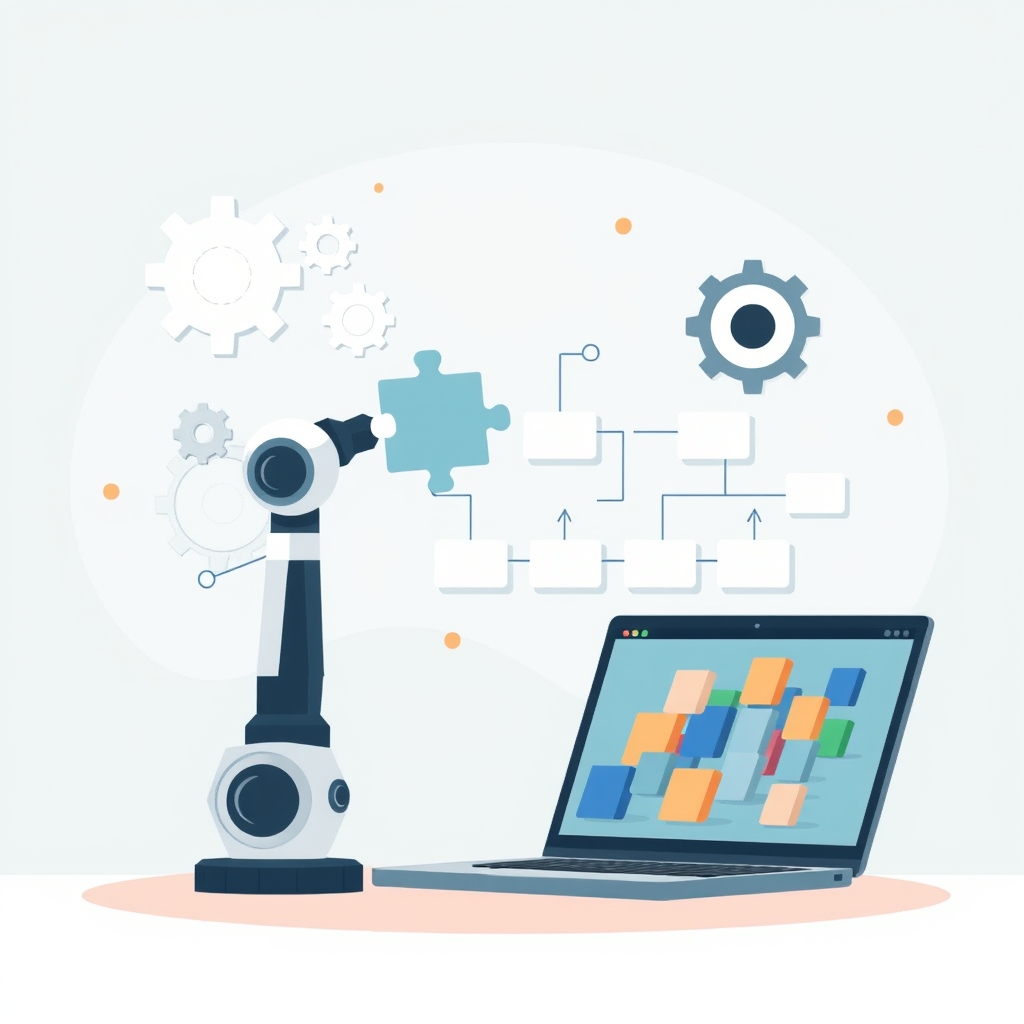
As businesses grow, they often reach a point where their no-code tools can no longer keep up with their evolving needs. This is what we refer to as the "no-code ceiling." At this point, companies must consider Custom Software Solutions to overcome the limitations of their existing tools and continue to scale efficiently. No-code tools are excellent for getting started quickly, but they often lack the flexibility and customization required by growing businesses.
Many companies have successfully utilized no-code tools to launch their products or services, but as they expand, they find that these tools are not designed to handle complex workflows, integrations, or unique business requirements. This is where Custom Software Solutions come into play, offering tailored solutions that can be adapted to meet the specific needs of the business.
Recognizing the Signs of Outgrowing No-Code Tools
So, how do you know when you've outgrown your no-code tools? One common sign is when you find yourself using multiple tools to achieve a single task, resulting in a convoluted workflow. Another indication is when you're unable to integrate your tools with other essential systems, leading to data silos and inefficiencies. If you're experiencing these challenges, it may be time to consider building custom software as a viable alternative.
Recognizing the signs of outgrowing no-code tools is crucial, as it allows you to address these limitations before they hinder your business's growth. By acknowledging these signs, you can begin to explore Custom Software Solutions that can help you streamline your workflows, improve efficiency, and drive innovation.
The Hidden Costs of Over-Reliance on No-Code
While no-code tools may seem like a cost-effective solution, they can often lead to hidden costs in the long run. One of these costs is the time spent working around the limitations of the tool, rather than focusing on core business activities. Another cost is the potential for data inconsistencies and errors, which can result in significant financial losses. By investing in Custom Software Solutions, you can avoid these hidden costs and create a more efficient, scalable, and reliable system.
In addition to these costs, over-reliance on no-code tools can also limit your ability to innovate and differentiate yourself from competitors. By leveraging Custom Software Solutions, you can create unique and tailored solutions that set your business apart and drive growth.
Evaluating Custom Software as a Viable Alternative
When evaluating Custom Software Solutions as a viable alternative to no-code tools, it's essential to consider your specific business needs and requirements. This includes assessing your workflows, integrations, and data management needs. You should also consider the potential return on investment (ROI) of custom software, as well as the potential risks and challenges associated with its development.
For example, if you're looking to automate business workflows with AI, custom software can provide a more tailored and efficient solution. By evaluating your needs and requirements, you can determine whether Custom Software Solutions are the right choice for your business.
Assessing the Total Cost of Ownership for Custom Solutions
When assessing the total cost of ownership for custom software, it's essential to consider not only the initial development costs but also the ongoing maintenance and support costs. This includes considering the cost of updates, bug fixes, and new feature development. By working with a reputable development partner, you can ensure that your custom software is built with scalability and maintainability in mind, reducing the total cost of ownership over time.
In addition to these costs, you should also consider the value of post-launch support in ensuring the long-term success of your custom software. By investing in ongoing support and maintenance, you can ensure that your software continues to meet your evolving business needs.
Mitigating Risks with Phased Custom Software Development
One way to mitigate the risks associated with custom software development is to adopt a phased approach. This involves breaking down the development process into smaller, manageable phases, each with its own set of deliverables and milestones. By doing so, you can reduce the risk of project scope creep, delays, and cost overruns.
Phased development also allows you to scope an effective MVP and test your software with a smaller group of users before scaling up to a larger audience. This approach can help you validate your assumptions, gather feedback, and make data-driven decisions about your software's development.
Real-World Examples of Successful No-Code to Custom Transitions
There are many real-world examples of businesses that have successfully transitioned from no-code tools to custom software. For instance, companies in the e-commerce space have leveraged custom software for e-commerce operations to streamline their workflows, improve efficiency, and drive growth.
By exploring these examples and learning from the experiences of others, you can gain valuable insights into the benefits and challenges of transitioning to custom software. You can also learn how to evaluate dev partners and find the right partner to support your custom software development needs.
Conclusion and Next Steps: Planning Your Custom Software Journey
In conclusion, while no-code tools can be an excellent starting point for businesses, they often reach a point where they can no longer keep up with evolving needs. By recognizing the signs of outgrowing no-code tools and evaluating Custom Software Solutions as a viable alternative, you can create a more efficient, scalable, and reliable system that drives innovation and growth.
If you're considering making the transition to custom software, we invite you to book a call with SiteFusion to discuss your needs and requirements. Our team of experts can help you navigate the process and create a tailored solution that meets your unique business needs. Explore our portfolio of products and learn more about what we build to see how we can support your custom software journey.