What this series covers
Each post takes a single idea from the way AI agents and language-model systems are built and works through it end to end. We start from a concrete example, name the moving parts, and show how they fit together, so the concept sticks rather than staying abstract.
The topics range from how an agent actually runs and remembers things, to how it retrieves the right context, decides when to stop, and gets measured and improved once it is live.
- Agents and the memory systems behind them — procedural, semantic, and episodic memory.
- Retrieval: RAG, semantic search, and when a plain database query is the better tool.
- The agent harness — the framework that keeps a powerful model working the way you intend.
- Loop engineering and the guardrails that tell an agent when its work is done.
- LLMOps: tracing every run, evaluating quality with an LLM as a judge, and shipping fixes.
Why plain-English explainers
Jargon is a filter. It keeps useful ideas inside a small circle of specialists and leaves everyone else guessing whether the latest term is a genuine advance or repackaged common sense. More often than not, the underlying idea is simple and worth understanding directly.
We write these so a founder, an operator, and an engineer new to the space can all follow the same explanation and come away able to ask better questions — and, if they want to, prompt their way toward building the thing being described.
Who it is for
Anyone trying to make sense of how AI systems are actually assembled, without a machine-learning background. Founders deciding what is realistic to build, operators evaluating tools, and developers moving into agent work will each find a usable mental model rather than a survey of buzzwords.
How to read it
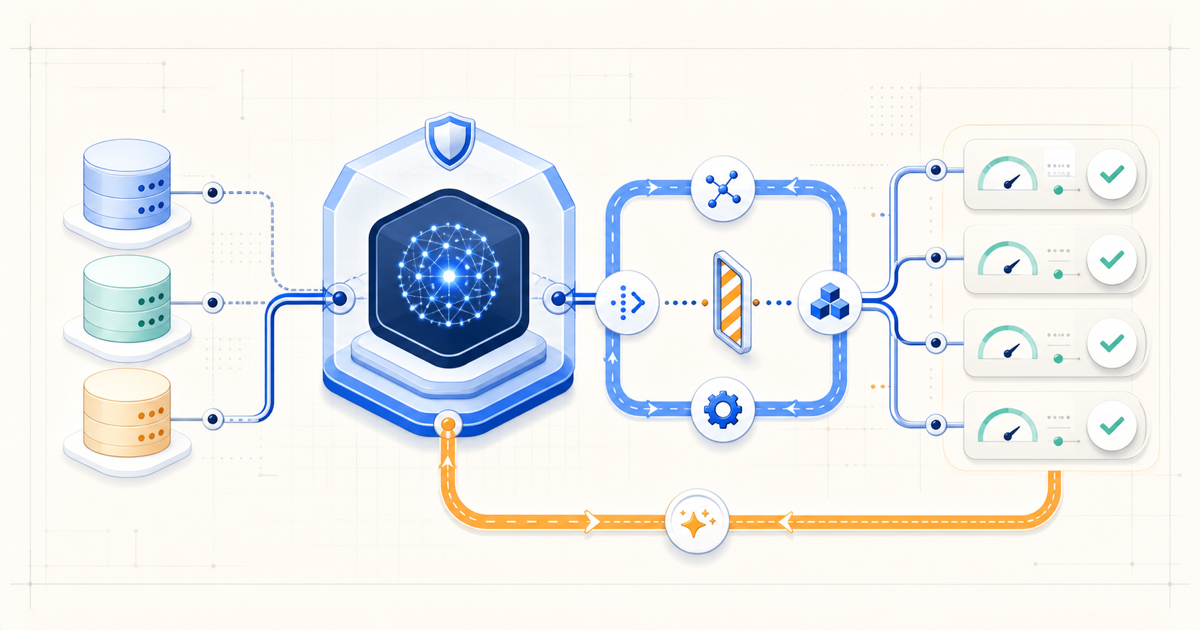
The posts stand on their own, so you can start with whichever concept you need. Read in order, they build into a coherent picture of a full AI agent system — from a single run, through memory and tools, to a self-improving loop that observes and corrects itself.
New explainers are added regularly, and this page always lists the latest, so it is a reliable place to return to as the series grows.