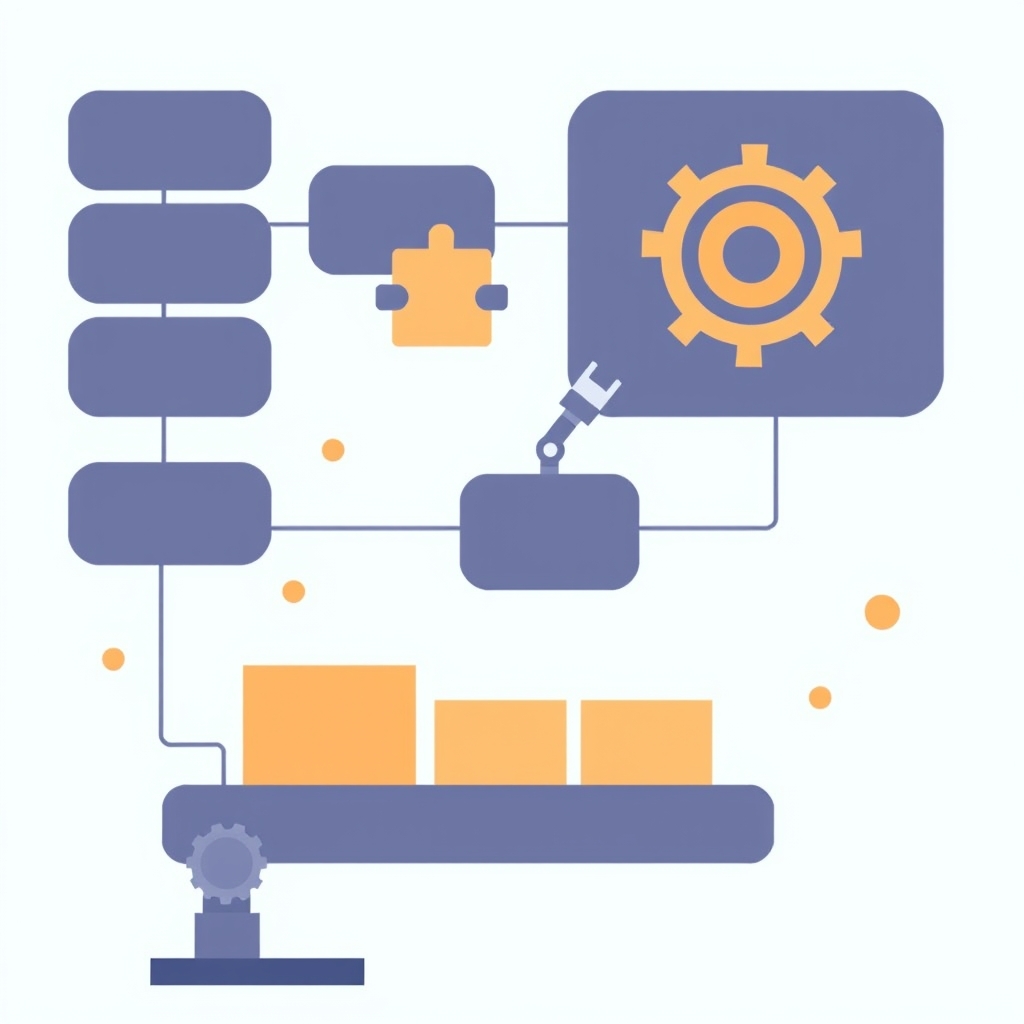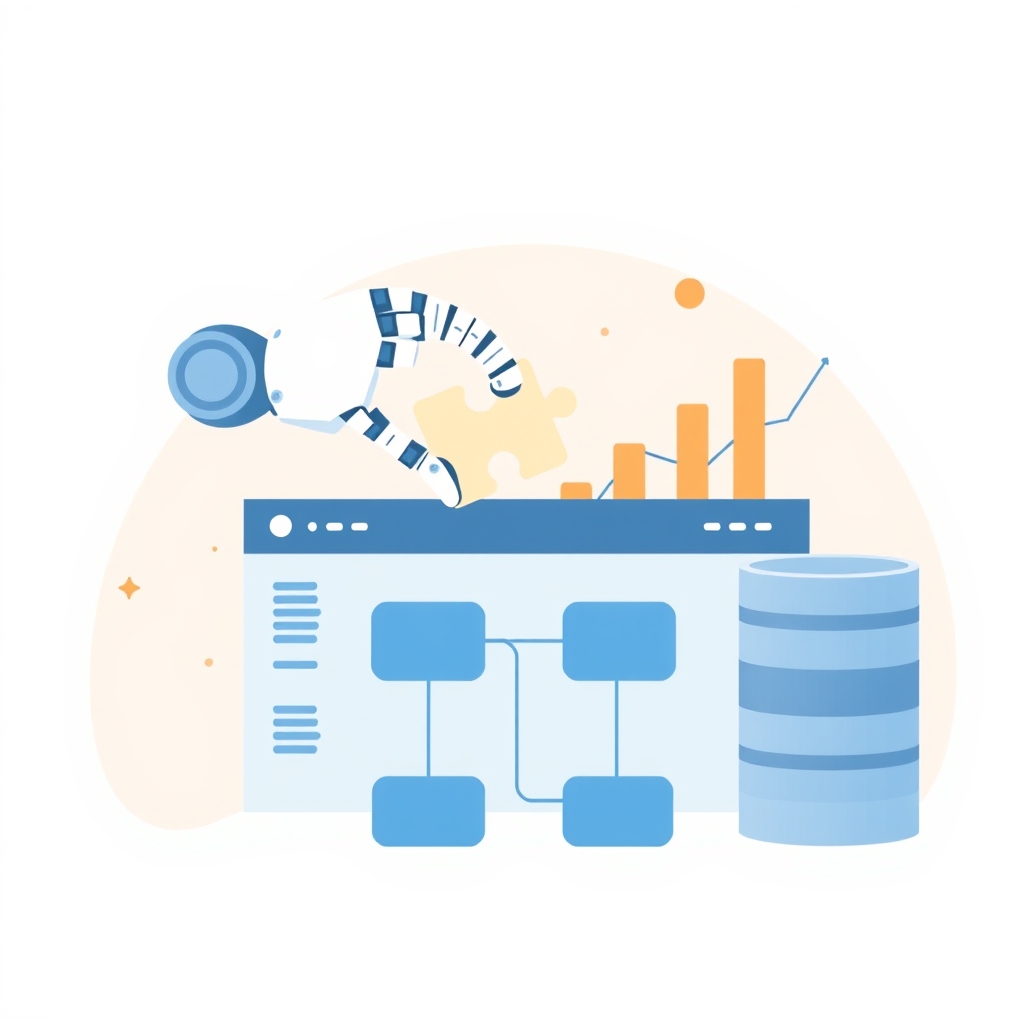
Introduction to AI-Powered Workflow Automation
As businesses grow, their back office operations become increasingly complex, making it challenging to maintain efficiency and productivity. This is where AI Workflow Automation comes in, enabling companies to streamline their processes, reduce manual errors, and enhance overall performance. By leveraging AI-powered workflow automation, organizations can automate repetitive tasks, freeing up resources for more strategic and creative work. For instance, our team at SiteFusion has helped numerous clients implement custom workflow automation solutions, resulting in significant improvements in operational efficiency.
To get started with AI workflow automation, it's essential to understand the concept and its applications. Our comprehensive guide to workflow automation provides an in-depth overview of the topic, covering the benefits, challenges, and best practices for implementation. By exploring this resource, you'll gain a deeper understanding of how AI workflow automation can transform your business operations.
Identifying Back Office Processes for Automation
Before implementing AI workflow automation, it's crucial to identify the back office processes that can be automated. This involves analyzing your organization's workflows, identifying bottlenecks, and determining which tasks can be automated. Some common examples of automatable processes include data entry, document processing, and customer service inquiries. By automating these tasks, you can reduce manual errors, increase productivity, and enhance customer satisfaction. For example, our team has developed custom software solutions for healthcare operations, such as custom software for healthcare operations, which have significantly improved operational efficiency.
When identifying processes for automation, consider the following factors: task complexity, frequency, and impact on the business. By prioritizing tasks based on these criteria, you can ensure that your automation efforts are focused on the most critical areas of your business.
Assessing AI Workflow Automation Tools and Technologies
With the numerous AI workflow automation tools and technologies available, it's essential to assess and evaluate the options that best fit your organization's needs. Consider factors such as scalability, integration, and user experience when selecting a tool. Some popular AI workflow automation tools include robotic process automation (RPA), business process management (BPM), and artificial intelligence (AI) platforms. Our team has experience with various tools and technologies, including custom web applications and internal tools, which can be leveraged to support your automation efforts.
When evaluating AI workflow automation tools, consider the following: ease of use, customization options, and integration with existing systems. By carefully assessing these factors, you can ensure that your chosen tool aligns with your business goals and objectives.
Designing and Implementing AI-Driven Workflows
Designing and implementing AI-driven workflows requires a structured approach. Start by defining your business objectives, identifying the processes to be automated, and determining the required data inputs and outputs. Next, design the workflow, considering factors such as task sequencing, decision points, and exception handling. Finally, implement the workflow, using your chosen AI workflow automation tool, and test it thoroughly to ensure that it meets your requirements. For example, our team has developed effective AI copilot features that can be integrated into your workflows to enhance productivity and efficiency.
When designing and implementing AI-driven workflows, consider the following best practices: keep it simple, focus on user experience, and continuously monitor and improve the workflow. By following these guidelines, you can ensure that your AI-driven workflows are efficient, effective, and aligned with your business objectives.
Integrating AI with Existing Systems and Tools
Integrating AI with existing systems and tools is crucial to ensure seamless automation and minimize disruptions to your business operations. This involves connecting your AI workflow automation tool to your existing systems, such as enterprise resource planning (ERP), customer relationship management (CRM), and database management systems. Our team has experience with API integration patterns, which can be used to integrate AI with your existing systems and tools.
When integrating AI with existing systems, consider the following: data compatibility, system compatibility, and security. By ensuring that these factors are addressed, you can ensure a smooth integration and minimize potential risks or disruptions.
Measuring the Impact of AI Workflow Automation
Measuring the impact of AI workflow automation is essential to evaluate its effectiveness and identify areas for improvement. This involves tracking key performance indicators (KPIs) such as productivity, efficiency, and customer satisfaction. By monitoring these metrics, you can determine the return on investment (ROI) of your AI workflow automation efforts and make data-driven decisions to optimize your workflows. For example, our team has developed simple SaaS dashboards that can be used to track KPIs and monitor the performance of your AI-driven workflows.
When measuring the impact of AI workflow automation, consider the following: establish clear KPIs, track metrics regularly, and adjust your workflows accordingly. By following these guidelines, you can ensure that your AI workflow automation efforts are delivering the desired results and driving business value.
Overcoming Common Challenges in AI Workflow Adoption
Overcoming common challenges in AI workflow adoption is critical to ensuring successful implementation and maximizing the benefits of AI workflow automation. Some common challenges include resistance to change, lack of skills, and integration issues. To overcome these challenges, it's essential to provide training and support to your team, communicate the benefits of AI workflow automation, and address any technical issues promptly. Our team offers post-launch support to help you overcome any challenges that may arise during the implementation process.
When overcoming common challenges, consider the following: communicate clearly, provide training and support, and address technical issues promptly. By following these guidelines, you can ensure a smooth transition to AI workflow automation and minimize potential disruptions to your business operations.
Conclusion and Next Steps: Getting Started with AI Workflow Automation
In conclusion, AI workflow automation offers numerous benefits for growing businesses, including increased efficiency, productivity, and customer satisfaction. By following the guidelines outlined in this article, you can successfully implement AI workflow automation and drive business value. To get started, explore our comprehensive guide to workflow automation and discover how AI workflow automation can transform your business operations.
Ready to take the next step? Book a call with SiteFusion to discuss your AI workflow automation needs and learn how our team can support your business growth. With our expertise and guidance, you can unlock the full potential of AI workflow automation and drive success for your organization.