
Introduction to AI Workflow Automation
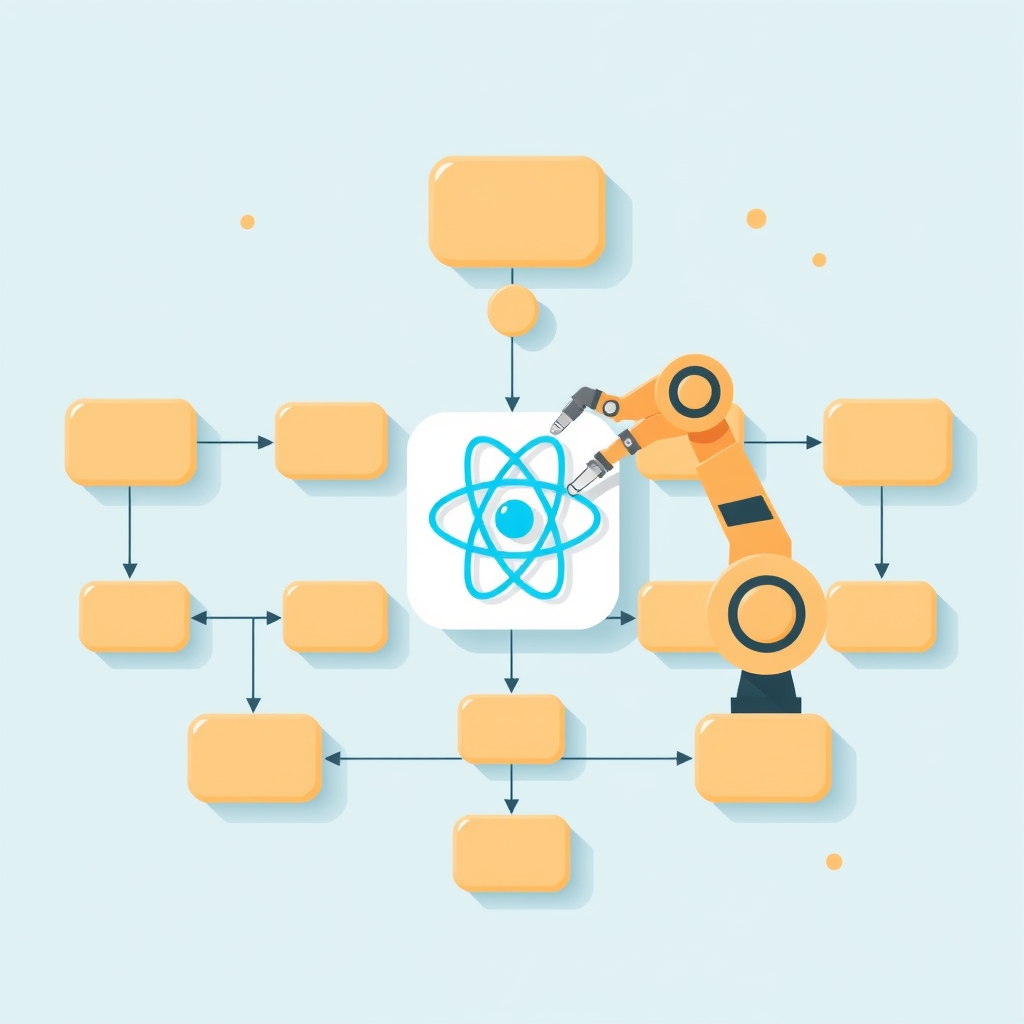
As businesses continue to grow and evolve, they often find themselves faced with increasingly complex processes and workflows. This is where AI Workflow Automation comes in, offering a powerful solution for streamlining and optimizing these processes. By leveraging the capabilities of artificial intelligence, companies can automate repetitive tasks, improve efficiency, and reduce costs. In this article, we will explore the concept of AI Workflow Automation, its benefits, and how it can be successfully implemented in a business setting.
For companies looking to scale, it's essential to have the right systems in place to support growth. This is why scaling before the wall is crucial, and AI Workflow Automation can play a significant role in this process.
Identifying Processes for AI Automation
When it comes to identifying processes for AI automation, it's essential to start by analyzing your current workflows and identifying areas where automation can have the most significant impact. This can include tasks such as data entry, document processing, and customer service. By automating these tasks, companies can free up resources and focus on higher-value activities.
Some key questions to ask when identifying processes for AI automation include: What tasks are currently being performed manually? Which tasks are repetitive or time-consuming? And which tasks have the potential to be automated using AI?
- Identify manual tasks that can be automated
- Analyze workflows to identify areas for improvement
- Determine which tasks have the potential to be automated using AI
Benefits of Implementing AI Workflows
The benefits of implementing AI workflows are numerous and can have a significant impact on a company's bottom line. Some of the most significant advantages include increased efficiency, improved accuracy, and reduced costs. By automating repetitive tasks, companies can also improve employee satisfaction and reduce the risk of burnout.
Additionally, AI workflows can help companies to design AI-powered user experiences that are tailored to their specific needs and goals. This can include using AI to personalize customer interactions, improve customer service, and enhance the overall user experience.
Common Challenges in AI Workflow Adoption
While AI workflow automation offers many benefits, there are also several common challenges that companies may face when adopting this technology. One of the most significant hurdles is the need for significant upfront investment in AI technology and infrastructure. Additionally, companies may need to overcome cultural and organizational barriers to adoption, such as resistance to change and lack of trust in AI systems.
Other challenges may include ensuring the quality and accuracy of AI decision-making, addressing potential biases in AI systems, and ensuring compliance with relevant laws and regulations, such as GDPR compliance.
- Significant upfront investment in AI technology and infrastructure
- Cultural and organizational barriers to adoption
- Ensuring the quality and accuracy of AI decision-making
Best Practices for Successful AI Workflow Automation
To ensure successful AI workflow automation, companies should follow several best practices. These include starting small and scaling up gradually, focusing on high-impact processes and workflows, and ensuring that AI systems are transparent, explainable, and fair.
Companies should also prioritize optimizing B2B customer portal UX to ensure that AI workflows are user-friendly and meet the needs of customers and stakeholders. Additionally, they should consider post-launch support to ensure that AI workflows continue to operate smoothly and efficiently over time.
For a broader overview of this topic, please visit our workflow automation pillar guide, which provides a comprehensive introduction to the concepts and best practices of AI workflow automation.
Real-World Examples of AI Workflow Automation
There are many real-world examples of AI workflow automation in action. For instance, companies are using AI to automate tasks such as data entry, document processing, and customer service. AI is also being used to optimize business processes, such as supply chain management and logistics.
Our portfolio of products showcases several examples of successful AI workflow automation implementations, demonstrating the potential of this technology to drive business growth and improvement.
AI workflow automation has the potential to transform the way businesses operate, enabling them to become more efficient, agile, and competitive in their respective markets.
Measuring the Success of AI Workflow Automation
To measure the success of AI workflow automation, companies should track key metrics such as process efficiency, cost savings, and customer satisfaction. They should also monitor the accuracy and quality of AI decision-making, as well as the overall return on investment (ROI) of AI workflow automation initiatives.
By tracking these metrics and using data to inform decision-making, companies can ensure that their AI workflow automation initiatives are delivering the desired outcomes and driving business growth.
For more information on how to evaluate the success of AI workflow automation, please visit our evaluating dev partners page, which provides guidance on assessing the value and effectiveness of AI workflow automation solutions.
Conclusion and Next Steps for Implementing AI Workflows
In conclusion, AI workflow automation offers a powerful solution for streamlining and optimizing business processes. By following best practices and leveraging the capabilities of AI, companies can drive efficiency, improve accuracy, and reduce costs. To learn more about how SiteFusion can help you implement AI workflow automation, please book a call with us to discuss your specific needs and goals.
Our team of experts can help you navigate the process of AI workflow automation, from custom software development to post-launch support. Don't miss out on the opportunity to transform your business with AI workflow automation – get in touch with us today to take the first step.