Introduction to SaaS User Flow Design
Designing an effective SaaS User Flow is crucial for the success of any software as a service tool. It involves creating a seamless and intuitive experience for users, guiding them through the application with ease. A well-designed SaaS User Flow can significantly enhance user engagement, reduce churn rates, and ultimately drive business growth. To achieve this, it's essential to understand the principles of user flow design and how to apply them to your SaaS tool.
One of the key aspects of SaaS User Flow design is to prioritize simplicity and clarity. This can be achieved by minimizing the number of steps required to complete a task, using clear and concise language, and providing visual cues to guide the user. By doing so, you can create a user experience that is both efficient and enjoyable.
Understanding User Journey Mapping for SaaS
What is User Journey Mapping?
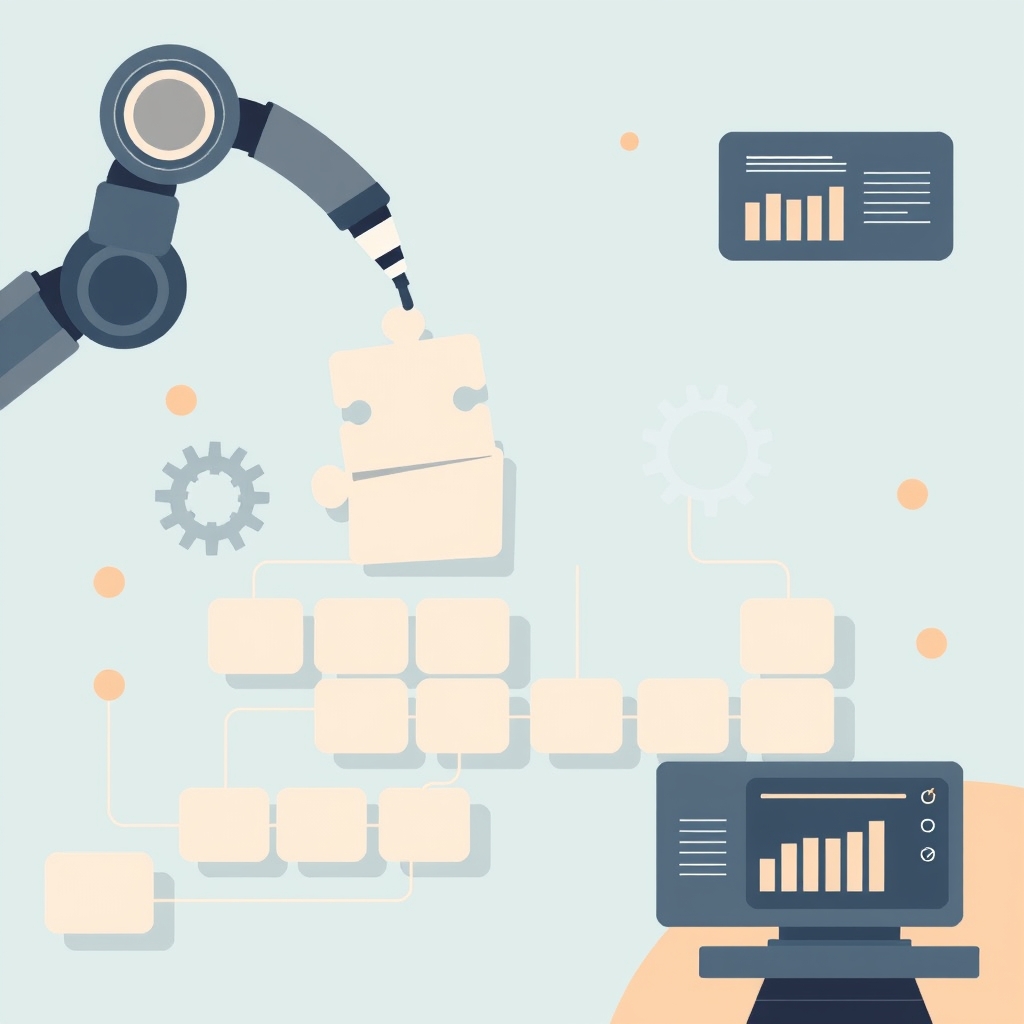
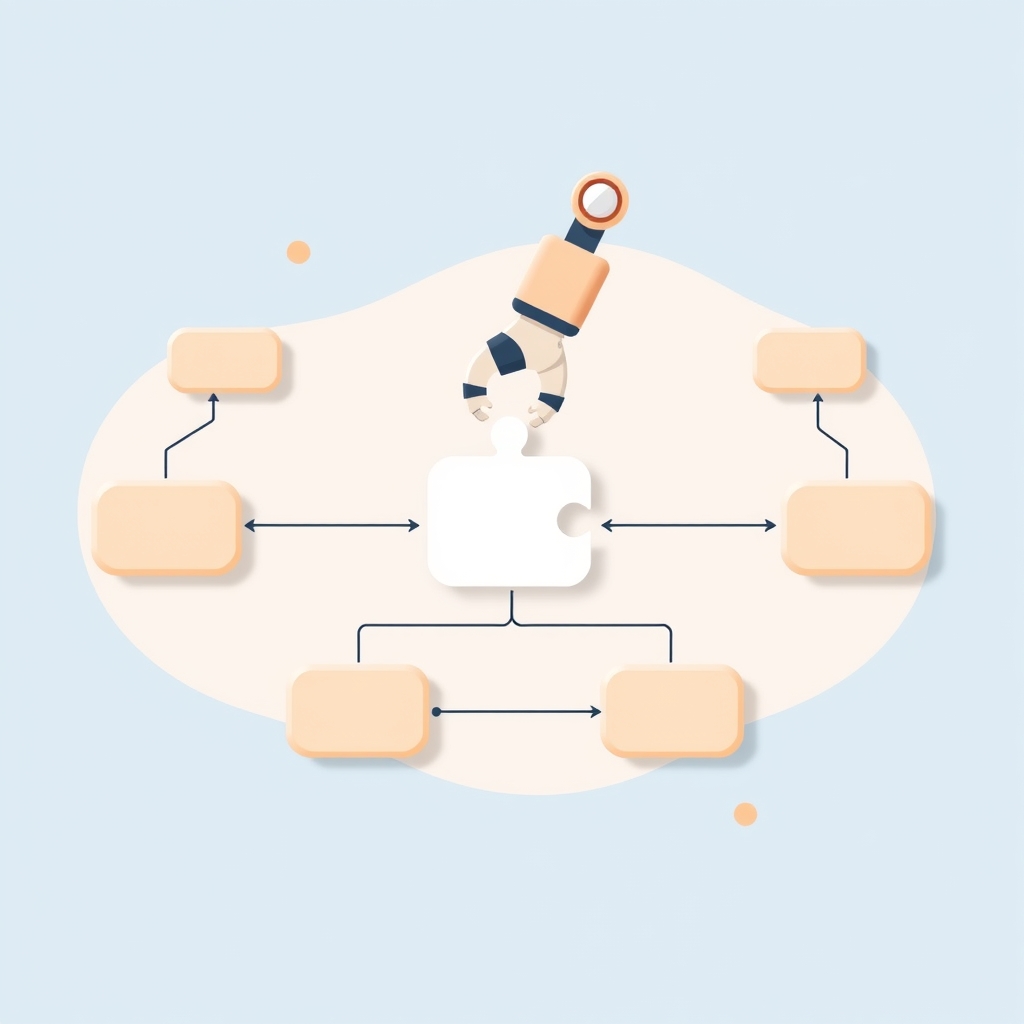
User journey mapping is a technique used to visualize the user's experience across multiple touchpoints and interactions with your SaaS tool. It involves creating a detailed map of the user's journey, from the initial sign-up process to the ongoing use of the application. This map helps identify pain points, areas of frustration, and opportunities for improvement.
By creating a user journey map, you can gain a deeper understanding of your users' needs, behaviors, and motivations. This insight can be used to inform design decisions, prioritize features, and optimize the overall SaaS User Flow.
- Identify key touchpoints and interactions
- Map the user's journey across multiple channels and devices
- Analyze pain points and areas of frustration
- Prioritize features and design decisions based on user needs
Key Principles of Intuitive User Flow Design
Intuitive user flow design is critical for creating a seamless and engaging user experience. There are several key principles to keep in mind when designing your SaaS User Flow, including simplicity, consistency, and feedback. By applying these principles, you can create an intuitive and user-friendly experience that guides users through your application with ease.
For example, custom solutions can be used to create a tailored user experience that meets the specific needs of your users. By leveraging custom development, you can create a unique and intuitive SaaS User Flow that sets your application apart from the competition.
Key Elements in Designing Seamless User Experiences
Clear Navigation and Information Architecture
A clear and consistent navigation system is essential for creating a seamless user experience. This includes organizing content in a logical and intuitive manner, using clear and concise language, and providing visual cues to guide the user. By doing so, you can create a user experience that is both efficient and enjoyable.
In addition to clear navigation, it's also important to consider the overall information architecture of your SaaS tool. This includes organizing data and features in a way that is easy for users to access and understand. By applying principles of information architecture, you can create a user experience that is both intuitive and engaging.
- Organize content in a logical and intuitive manner
- Use clear and concise language
- Provide visual cues to guide the user
Common Mistakes in SaaS User Flow and How to Avoid Them
There are several common mistakes that can negatively impact the SaaS User Flow, including complexity, ambiguity, and lack of feedback. To avoid these mistakes, it's essential to prioritize simplicity, clarity, and feedback in your design. By doing so, you can create a user experience that is both intuitive and engaging.
For example, prioritizing MVP features effectively can help you create a minimal viable product that meets the core needs of your users. By focusing on the most essential features and functionality, you can create a SaaS User Flow that is both simple and effective.
- Avoid complexity and ambiguity
- Prioritize simplicity and clarity
- Provide feedback and guidance to the user
Best Practices for User Flow Testing and Iteration
User flow testing and iteration are critical for creating a seamless and intuitive SaaS User Flow. There are several best practices to keep in mind, including user testing, A/B testing, and continuous iteration. By applying these best practices, you can create a user experience that is both effective and engaging.
For example, post-launch support can help you iterate and refine your SaaS User Flow after launch. By leveraging ongoing support and maintenance, you can ensure that your application continues to meet the evolving needs of your users.
A well-designed SaaS User Flow is critical for driving user engagement and business growth. By prioritizing simplicity, clarity, and feedback, you can create a user experience that is both intuitive and effective.
The Role of User Feedback in Refining SaaS User Flow
Collecting and Analyzing User Feedback
User feedback is essential for refining and improving the SaaS User Flow. By collecting and analyzing user feedback, you can identify areas of improvement, prioritize features, and optimize the overall user experience. There are several ways to collect user feedback, including surveys, interviews, and usability testing.
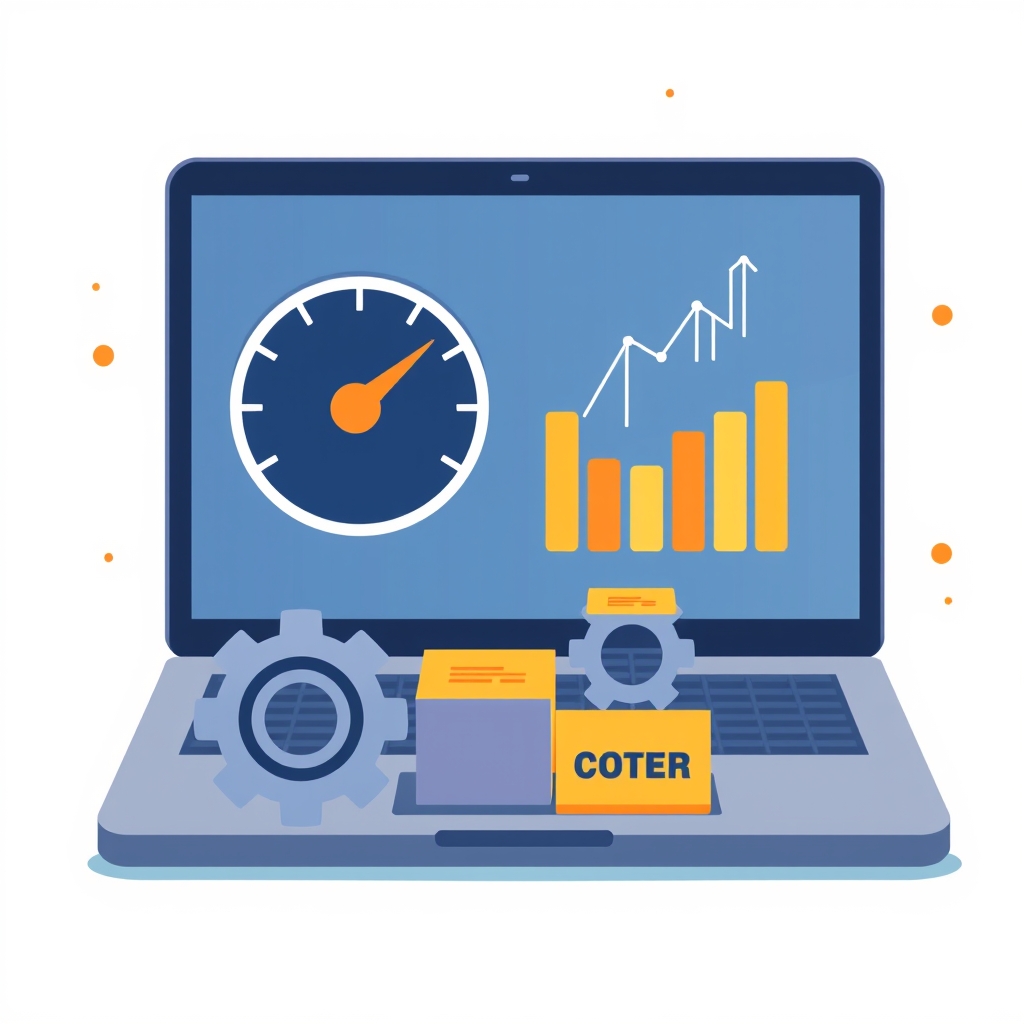
For example, optimizing performance can help you create a fast and responsive user experience that meets the needs of your users. By leveraging user feedback and performance optimization techniques, you can create a SaaS User Flow that is both efficient and effective.
- Collect user feedback through surveys, interviews, and usability testing
- Analyze feedback to identify areas of improvement
- Prioritize features and design decisions based on user feedback
Conclusion and Next Steps: Implementing Effective SaaS User Flow Design
In conclusion, designing an effective SaaS User Flow is critical for driving user engagement and business growth. By prioritizing simplicity, clarity, and feedback, you can create a user experience that is both intuitive and effective. To get started, consider booking a call with SiteFusion to discuss your SaaS User Flow design needs. Our team of experts can help you create a tailored user experience that meets the specific needs of your users and drives business success.
By leveraging our expertise and experience, you can create a SaaS User Flow that is both efficient and effective. SaaS User Flow design is a critical aspect of creating a successful SaaS tool, and we're here to help you every step of the way.