
Introduction to Connected Systems and API Integrations
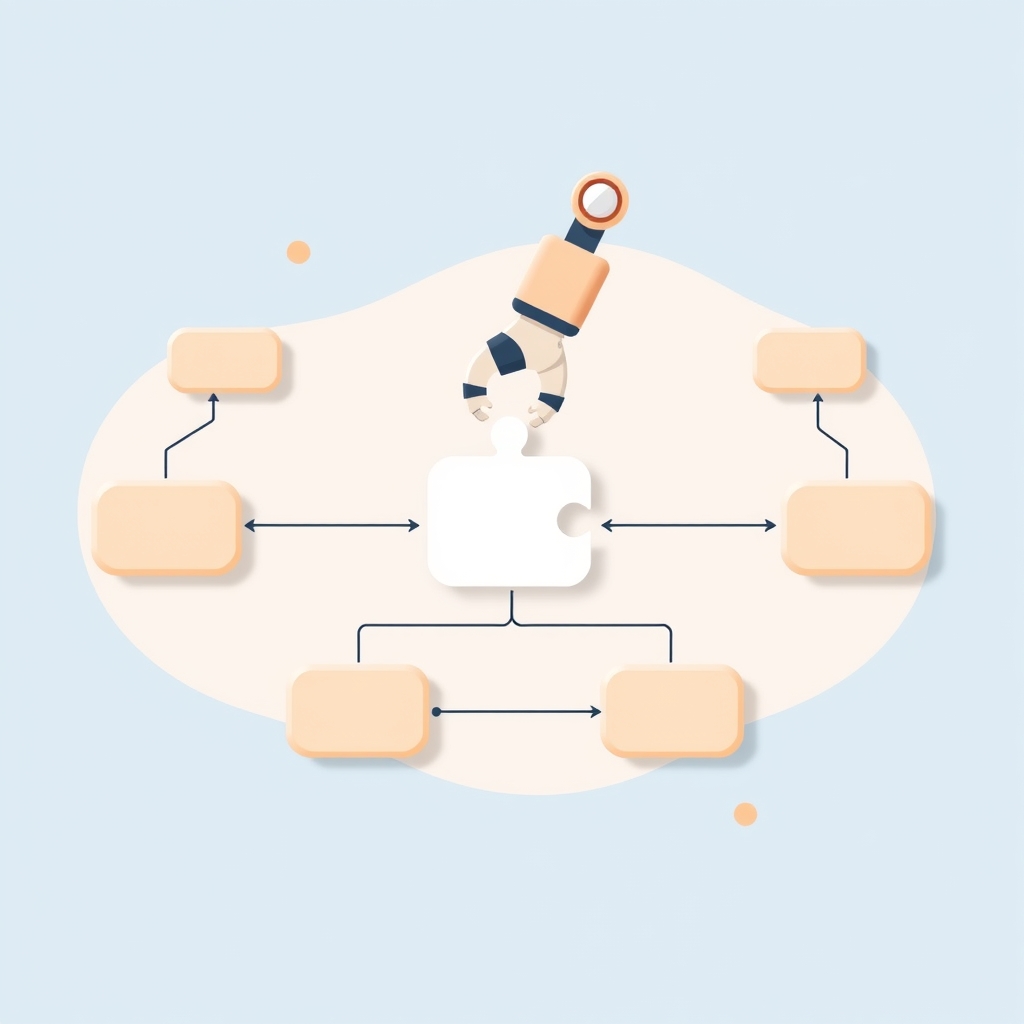
As businesses grow, they often find themselves managing a complex network of connected systems, each with its own unique functionality and requirements. At the heart of these connected systems are API Integrations, which enable the seamless exchange of data and functionality between different applications and services. Effective API Integrations are crucial for ensuring that these connected systems operate efficiently and reliably, providing a solid foundation for business growth and scalability.
In today's fast-paced digital landscape, companies that fail to invest in robust API Integrations risk being left behind by their more agile and adaptable competitors. By prioritizing the development of well-designed and well-implemented API Integrations, businesses can unlock new opportunities for innovation and expansion, while also improving their overall operational efficiency and customer satisfaction.
Understanding the Challenges of API Integration
Despite the many benefits of API Integrations, implementing them can be a complex and challenging process. One of the main hurdles that businesses face is the need to integrate disparate systems and applications, each with its own unique architecture and requirements. This can involve navigating a maze of different data formats, protocols, and security standards, which can be time-consuming and costly to resolve.
Additionally, API Integrations often require significant upfront investment in terms of time, money, and resources. This can be a daunting prospect for businesses that are already stretched thin, and may lead to delays or compromises in the integration process. However, by understanding the challenges of API Integration and taking a proactive and strategic approach, businesses can overcome these obstacles and achieve their goals.
Designing for Idempotence in API Integrations
One key consideration when designing API Integrations is the concept of idempotence. Idempotence refers to the ability of an API to produce the same result regardless of how many times it is called, which is critical for ensuring the reliability and consistency of integrated systems. By designing for idempotence, businesses can minimize the risk of errors and inconsistencies, and ensure that their API Integrations operate smoothly and efficiently.
As discussed in our post on Designing User Flow for SaaS Tools, a well-designed user flow is essential for creating a seamless and intuitive user experience. Similarly, a well-designed API Integration is critical for creating a robust and reliable integration that meets the needs of the business and its users.
Implementing Reliable Data Sync Across Integrated Systems
Another critical aspect of API Integrations is the need for reliable data sync across integrated systems. This involves ensuring that data is accurately and consistently synchronized between different systems and applications, which can be a complex and challenging process. By implementing reliable data sync, businesses can ensure that their integrated systems operate in harmony, and that data is always up-to-date and accurate.
For example, our post on Escaping No-Code Limits with Custom Solutions highlights the importance of custom solutions for overcoming the limitations of no-code tools. Similarly, custom API Integrations can be designed to meet the specific needs of the business, ensuring reliable data sync and seamless integration.
Error Handling and Recovery in API Integrations
Error handling and recovery are critical components of any API Integration, as they enable businesses to quickly identify and resolve issues that may arise. By implementing robust error handling and recovery mechanisms, businesses can minimize downtime and ensure that their integrated systems continue to operate smoothly and efficiently.
As discussed in our post on Prioritizing MVP Features Effectively for Growth, prioritizing the right features and functionality is essential for driving business growth and success. Similarly, prioritizing error handling and recovery in API Integrations is critical for ensuring the reliability and resilience of integrated systems.
Security Considerations for Connected Systems
Security is a top priority for any business, and connected systems are no exception. When implementing API Integrations, businesses must ensure that they are taking adequate measures to protect sensitive data and prevent unauthorized access. This involves implementing robust security protocols and standards, such as encryption and authentication, to safeguard integrated systems and data.
Our post on SaaS Multi-Tenancy Design Patterns highlights the importance of security and scalability in SaaS applications. Similarly, API Integrations must be designed with security and scalability in mind, to ensure that they meet the evolving needs of the business and its users.
Best Practices for Monitoring and Maintaining API Integrations
Once API Integrations are up and running, it's essential to monitor and maintain them regularly to ensure they continue to operate smoothly and efficiently. This involves tracking key performance metrics, such as latency and error rates, and taking proactive steps to address any issues that may arise.
As discussed in our post on Proactive SaaS Maintenance Strategies, proactive maintenance is critical for ensuring the long-term health and success of SaaS applications. Similarly, proactive monitoring and maintenance of API Integrations is essential for preventing downtime and ensuring that integrated systems continue to operate reliably.
For more information on how to build and maintain robust API Integrations, check out our post-launch support services, which are designed to help businesses ensure the long-term success of their integrated systems.
Conclusion and Next Steps: Building Towards Resilient API Integrations
In conclusion, building resilient API Integrations is critical for ensuring the success and scalability of connected systems. By understanding the challenges of API Integration, designing for idempotence, implementing reliable data sync, and prioritizing error handling and recovery, businesses can create robust and reliable integrations that meet their evolving needs.
To learn more about how SiteFusion can help you build and maintain robust API Integrations, check out our services page, which highlights our expertise in custom software development and integration. You can also view our portfolio of products to see examples of our work in action.
Ready to get started on your API Integration project? Book a call with SiteFusion today to discuss your needs and goals, and let us help you build a more resilient and scalable connected system.