Introduction to Multi-Tenant SaaS Architecture
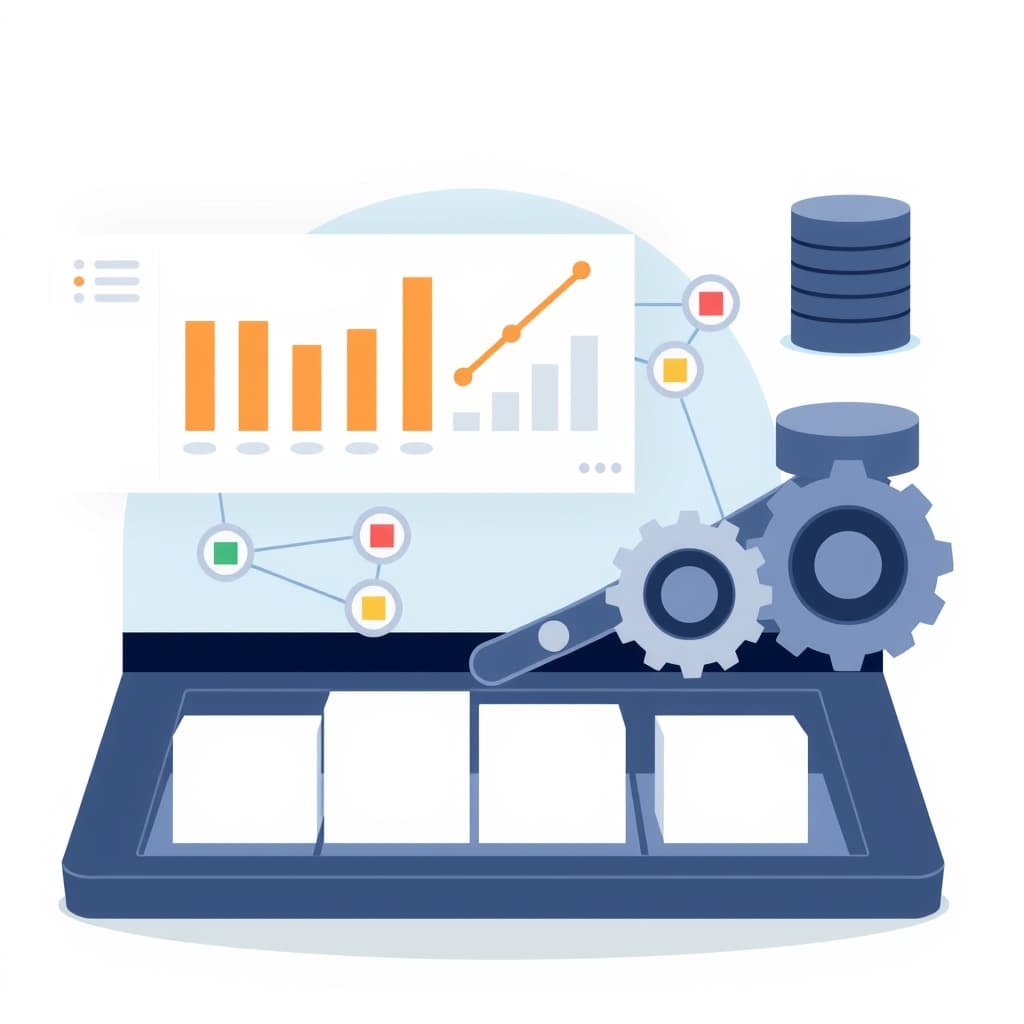
As a founder, product manager, or operations leader at a growing company, you're likely familiar with the concept of Multi-Tenant SaaS Architecture. This approach involves designing a single instance of your software application to serve multiple clients or tenants, each with their own dedicated space and configuration. The benefits of multi-tenancy are numerous, including reduced costs, increased scalability, and simplified maintenance. However, implementing a successful Multi-Tenant SaaS Architecture requires careful planning and consideration of several key factors.
For companies in the fintech sector, custom software solutions can be particularly effective in addressing the unique challenges of this industry. As discussed in our previous post, Custom Software for Fintech Founders, a tailored approach can help fintech companies navigate complex regulatory requirements and stay ahead of the competition.
Key Considerations for Designing Scalable Multi-Tenant Systems
When designing a Multi-Tenant SaaS Architecture, there are several key considerations to keep in mind. First and foremost, it's essential to ensure that your system is scalable and can handle increased traffic and demand as your user base grows. This may involve implementing load balancing techniques, such as those discussed in our post on API Integration Patterns for Scalability. Additionally, you'll need to consider issues related to security, compliance, and data management, which we'll explore in more detail below.
A well-designed Multi-Tenant SaaS Architecture should also prioritize flexibility and customization, allowing each tenant to configure the system to meet their unique needs and requirements. This may involve implementing a modular or microservices-based approach, which can help to reduce complexity and improve overall system maintainability.
Database Management Strategies for Multi-Tenant SaaS
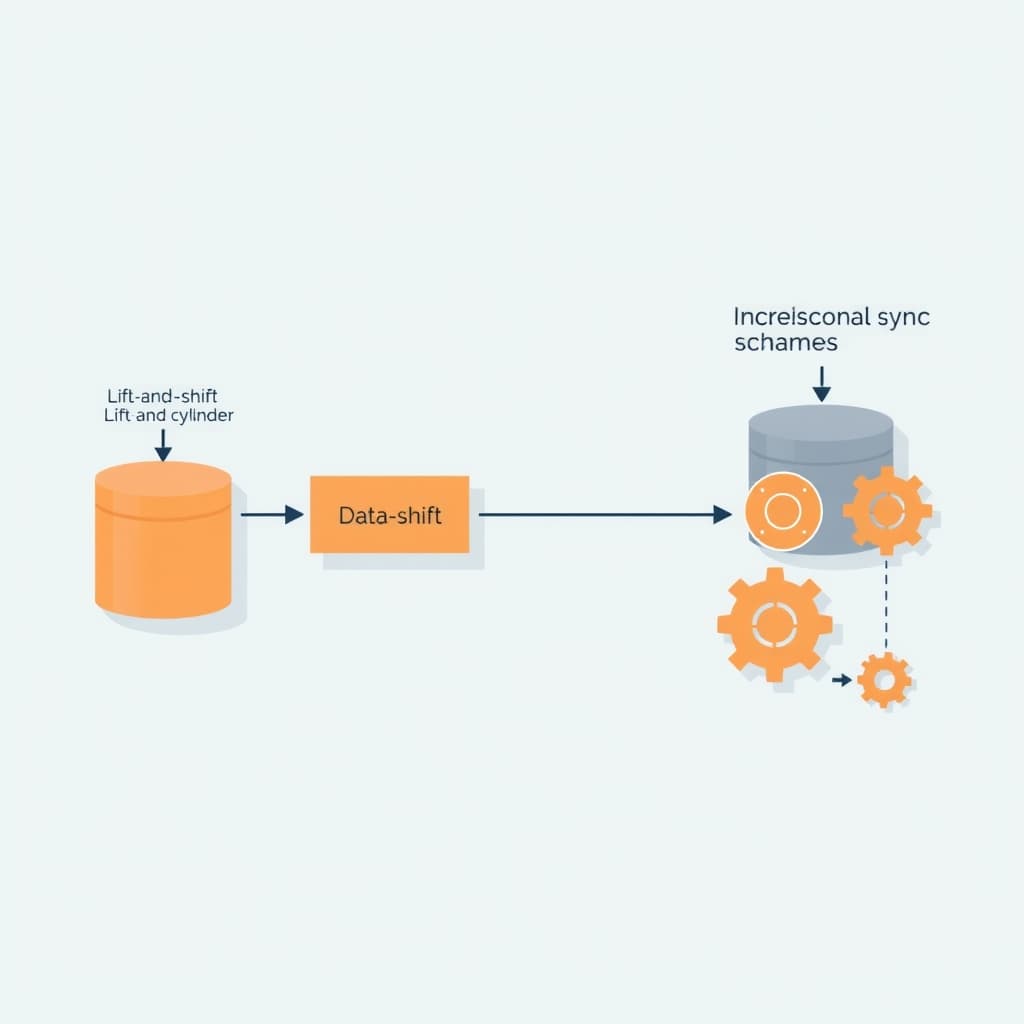
Effective database management is critical to the success of any Multi-Tenant SaaS Architecture. There are several approaches to database management in a multi-tenant environment, including separate databases for each tenant, a single database with separate schemas, and a shared database with tenant-specific tables. Each approach has its own advantages and disadvantages, and the best choice will depend on the specific needs and requirements of your application.
As discussed in our post on Optimizing Next.js Performance with React, database optimization is also essential for ensuring the performance and scalability of your application. By implementing efficient database queries and indexing strategies, you can help to reduce latency and improve the overall user experience.
Security and Compliance in Multi-Tenant Environments
Security and compliance are major concerns in any Multi-Tenant SaaS Architecture, particularly in industries subject to strict regulatory requirements. As discussed in our post on SaaS Security Compliance Essentials Founders Need, it's essential to implement robust security measures to protect sensitive data and prevent unauthorized access. This may involve implementing encryption, access controls, and regular security audits and testing.
In addition to security, compliance is also a critical consideration in multi-tenant environments. This may involve ensuring that your application meets relevant regulatory requirements, such as GDPR or HIPAA, and that you have adequate procedures in place for handling and storing sensitive data.
Load Balancing and Performance Optimization Techniques
Load balancing and performance optimization are critical to ensuring the scalability and reliability of your Multi-Tenant SaaS Architecture. There are several techniques you can use to improve performance, including caching, content delivery networks (CDNs), and load balancing algorithms. As discussed in our post on Scaling Before The Wall: Proactive Reliability Strategies, it's essential to proactively monitor and optimize your system to prevent downtime and ensure seamless performance.
By implementing these techniques and regularly monitoring your system's performance, you can help to ensure that your Multi-Tenant SaaS Architecture is scalable, reliable, and meets the needs of your growing user base.
Real-World Examples of Successful Multi-Tenant SaaS Implementations
There are many examples of successful Multi-Tenant SaaS Architecture implementations in the real world. For instance, companies like Salesforce and Zendesk have built highly scalable and customizable multi-tenant systems that serve thousands of customers worldwide. These systems prioritize flexibility, security, and performance, and have helped to establish their companies as leaders in their respective industries.
Our own portfolio of products, available at our portfolio page, includes several examples of successful multi-tenant SaaS implementations. We've helped numerous companies design and build scalable, customizable systems that meet the unique needs of their users.
Common Pitfalls to Avoid in Multi-Tenant SaaS Development
While Multi-Tenant SaaS Architecture offers many benefits, there are also several common pitfalls to avoid during development. One of the most significant challenges is ensuring that your system is scalable and can handle increased traffic and demand. As discussed in our post on Escaping No-Code Limits: Build vs Buy Strategy, it's essential to carefully consider your system's architecture and design to ensure that it can meet the needs of your growing user base.
Another common pitfall is failing to prioritize security and compliance. As discussed in our post on SaaS Security Compliance Essentials Founders Need, it's essential to implement robust security measures to protect sensitive data and prevent unauthorized access.
Conclusion and Next Steps: Optimizing Your Multi-Tenant SaaS Architecture
In conclusion, designing and implementing a successful Multi-Tenant SaaS Architecture requires careful planning and consideration of several key factors, including scalability, security, and compliance. By prioritizing these factors and avoiding common pitfalls, you can build a system that meets the needs of your growing user base and helps to drive business success.
For a broader overview of custom SaaS development, including Multi-Tenant SaaS Architecture, be sure to check out our pillar guide on custom SaaS. If you're looking for help with post-launch support or other services, visit our post-launch support page or our services page to learn more about what we build. Ready to get started with your own multi-tenant SaaS project? Book a call with SiteFusion today to discuss your needs and learn how we can help.