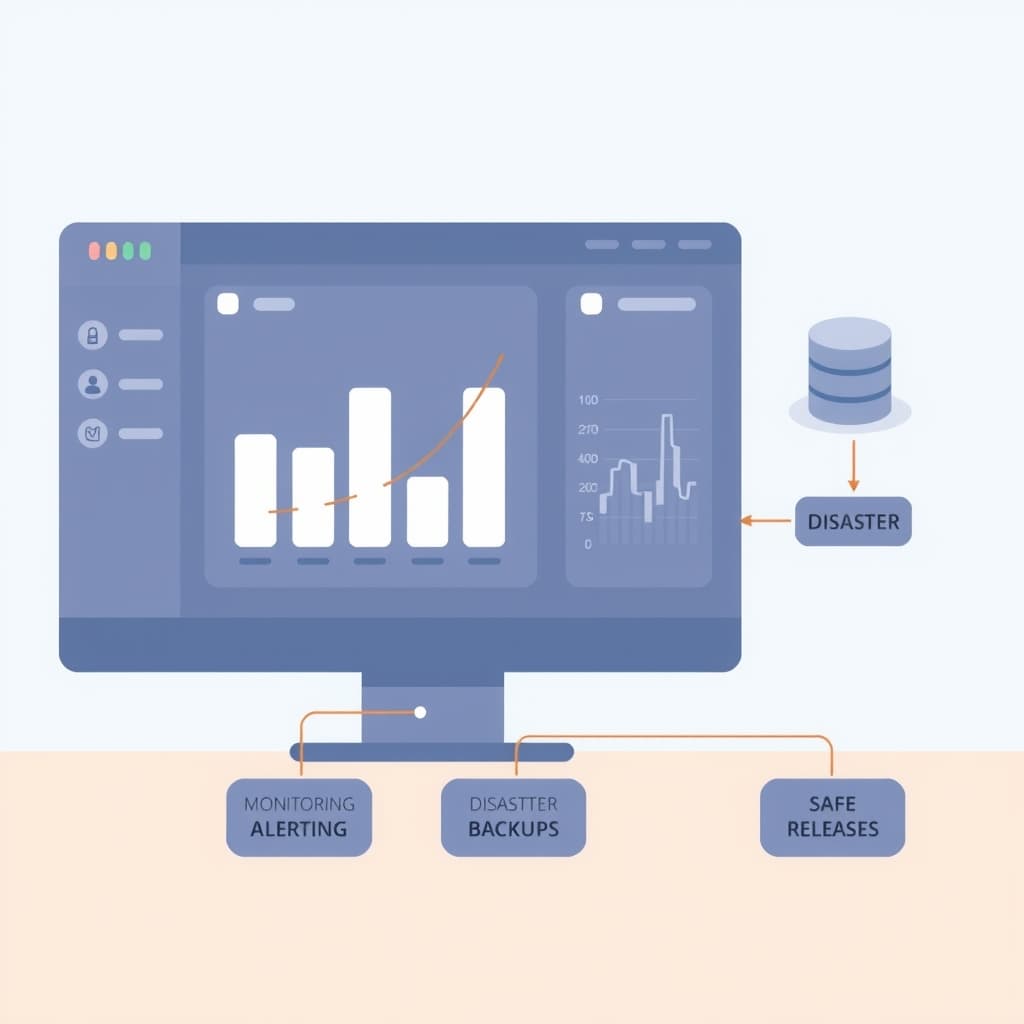
Launching a SaaS product is only the first milestone; keeping it reliable day after day is what turns early adopters into loyal customers. A well‑crafted post-launch reliability checklist gives founders and ops leaders a repeatable safety net, ensuring that performance, availability, and security stay on target as traffic grows.
Why a Post‑Launch Reliability Checklist Matters for Scaling SaaS
Without a disciplined checklist, teams rely on ad‑hoc firefighting, which erodes confidence and drains resources. A structured approach surfaces risks early, aligns cross‑functional owners, and creates measurable Service Level Objectives (SLOs). When you can point to concrete metrics—uptime, latency, error rates—you gain credibility with investors and customers alike. Moreover, a checklist becomes the foundation for continuous improvement: each incident feeds back into the process, tightening controls before the next growth wave hits. In short, it shifts reliability from a reactive afterthought to a proactive growth lever.
Core Monitoring Metrics Every Live App Should Track
Effective monitoring starts with a small set of high‑impact metrics. Availability (percentage of successful requests) and latency (p95 response time) are non‑negotiable. Track error rates by type (4xx vs 5xx) to differentiate client issues from server failures. For SaaS, transaction throughput (requests per second) and resource utilization (CPU, memory, DB connections) reveal capacity constraints before they become outages. Finally, monitor business‑level signals such as sign‑up conversion or churn spikes; these often surface downstream of technical problems. Consolidating these metrics in a single dashboard lets ops teams spot trends without drowning in noise.
Setting Up Alerting That Actually Gets Actioned
Alert fatigue kills reliability. Start by defining clear SLO thresholds—e.g., latency > 500 ms for more than five minutes triggers a high‑priority alert. Use multi‑level severity: warnings for minor deviations, critical alerts for SLO breaches. Route alerts to the right owners via on‑call schedules, and include concise runbooks that outline immediate steps. Test alerts regularly; a silent alarm is worse than no alarm. Integrate with collaboration tools (Slack, Teams) so the right people see the signal in real time, and enforce post‑mortem reviews for every critical incident to close the feedback loop.
Backup and Disaster‑recovery Essentials for SaaS
Data loss is a deal‑breaker. Implement automated, encrypted backups for all critical stores (databases, object storage, configuration). Verify backup integrity weekly and run restore drills at least monthly. Define a Recovery Time Objective (RTO) and Recovery Point Objective (RPO) that match your SLOs; for most SaaS, an RTO under 30 minutes and an RPO of a few minutes are realistic. Store backups in a different region to survive zone failures, and use immutable snapshots to guard against ransomware. Document the disaster‑recovery runbook, assign clear responsibilities, and rehearse it with the entire incident response team.
Managing Releases Safely After Launch
Continuous delivery fuels growth, but unchecked releases reintroduce instability. Adopt a staged rollout: deploy to a canary environment, monitor key metrics, then expand to a larger percentage of users. Feature flags let you toggle functionality without redeploying, providing an instant rollback path. Pair each release with automated integration and end‑to‑end tests that run in your CI pipeline. Maintain a release checklist that includes version bumping, changelog updates, and stakeholder notifications. When a release fails, the canary approach isolates impact, allowing you to revert quickly and keep the broader user base unaffected.
Paying Down Technical Debt Without Stalling New Features
Technical debt is inevitable, but it must be managed strategically. Allocate a fixed percentage of each sprint—typically 20 %—to refactor, upgrade dependencies, or improve test coverage. Prioritize debt that directly affects reliability: legacy authentication flows, brittle API contracts, or uninstrumented code paths. Use the API Integration Reliability Patterns for Growing SaaS guide to identify integration hotspots. Communicate the trade‑off to product owners: a small delay now prevents larger outages later, preserving user trust and reducing future firefighting costs.
Scaling Signals: When to Reinforce Infrastructure
Scaling is not just about adding servers; it’s about recognizing the right signals. Watch for sustained CPU or memory usage above 70 % across a majority of instances, increasing latency trends, or queue backlogs growing beyond a defined threshold. A spike in error rates correlated with traffic bursts often indicates the need for auto‑scaling policies or more robust load balancing. Conduct capacity‑planning reviews quarterly, using historical metrics to model future demand. When thresholds are breached, trigger a “scale‑up” checklist that includes database sharding, cache warm‑up, and CDN configuration checks.
Putting the Checklist into Daily Ops – Tools and Processes
Embedding the post-launch reliability checklist into daily routines prevents it from becoming a one‑off document. Use an incident‑management platform (e.g., PagerDuty) to assign checklist items as tasks during on‑call shifts. Maintain a living wiki where each checklist item links to runbooks, dashboards, and relevant AI workflow automation scripts that can auto‑remediate common alerts. Schedule a weekly “reliability stand‑up” where the ops lead reviews metric trends, open technical‑debt tickets, and upcoming release risks. Pair this cadence with the post‑launch support service to get expert guidance on refining processes as your product evolves.
Conclusion & Next Steps: Partner with SiteFusion for Ongoing Support
Staying reliable at scale demands discipline, tooling, and expertise. By following this post‑launch reliability checklist, you turn chaos into predictability, protect revenue, and free your team to focus on innovation. If you need a seasoned partner to implement monitoring, automate backups, or design a resilient release pipeline, SiteFusion’s post‑launch support team is ready to help. Book a call today and let us keep your SaaS running smoothly as you grow.