Introduction to SaaS Multi-Tenancy
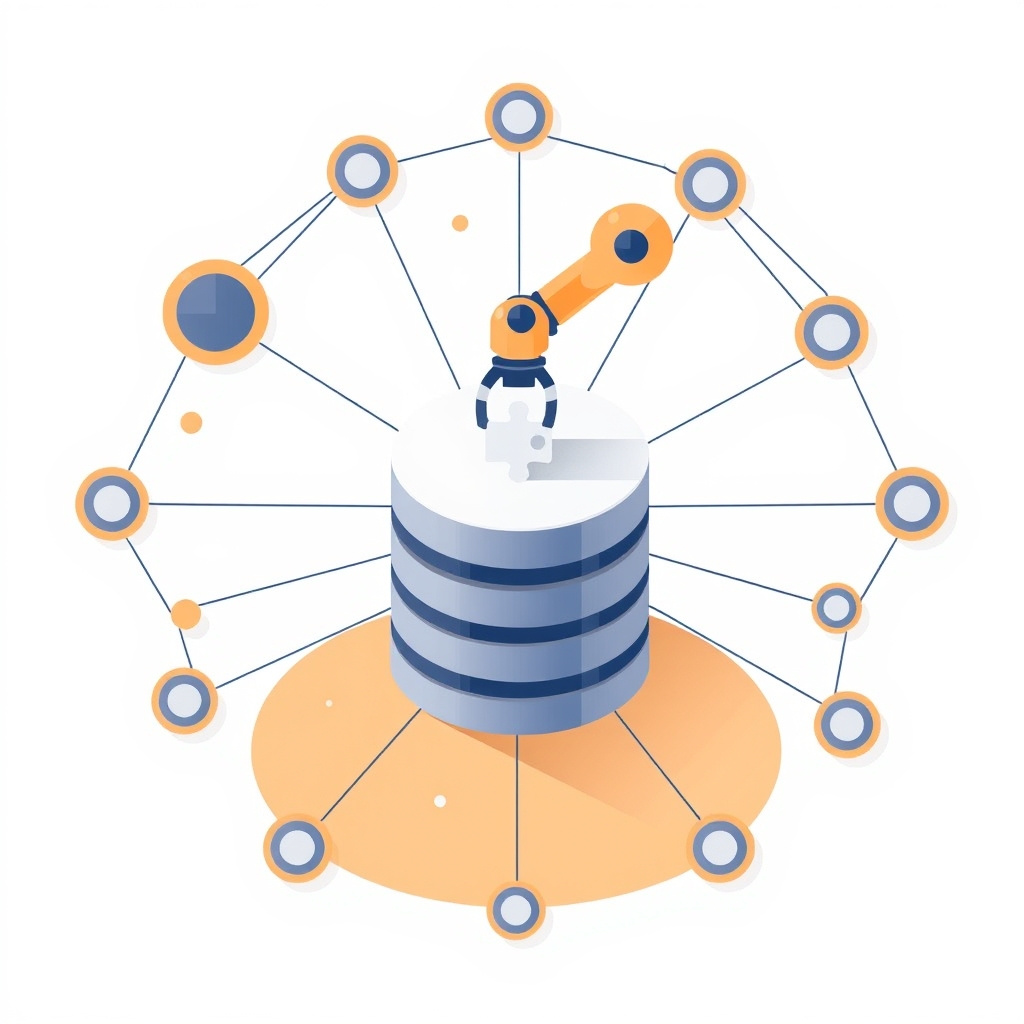
As a founder or product leader of a growing SaaS company, you're likely familiar with the concept of SaaS multi-tenancy. In essence, SaaS multi-tenancy refers to the ability of a single software application to serve multiple tenants, or customers, while maintaining separate and secure environments for each. Implementing SaaS multi-tenancy can be a game-changer for your business, allowing you to scale more efficiently and reduce costs. For a broader overview of custom SaaS solutions, including SaaS multi-tenancy, visit our custom SaaS pillar guide.
In this guide, we'll delve into the best practices for implementing SaaS multi-tenancy, covering key benefits, design considerations, data isolation, and more. Whether you're just starting out or looking to optimize your existing SaaS application, this guide will provide you with the insights you need to succeed.
Key Benefits of Implementing Multi-Tenancy
So, why should you consider implementing SaaS multi-tenancy? The benefits are numerous. For one, multi-tenancy allows you to reduce costs by minimizing the need for separate infrastructure and maintenance for each customer. Additionally, SaaS multi-tenancy enables you to scale more efficiently, as you can simply add new tenants to your existing application without having to provision new resources. This is especially important for growing companies, as it allows you to scale before the wall and avoid costly infrastructure investments.
Other benefits of SaaS multi-tenancy include improved resource utilization, simplified maintenance and updates, and enhanced security. By serving multiple tenants from a single application, you can also gather more insights and data, which can be used to inform product decisions and drive growth.
Designing a Scalable Multi-Tenant Architecture
When designing a multi-tenant architecture, there are several key considerations to keep in mind. First and foremost, you'll need to ensure that your application is scalable and can handle increased traffic and usage. This may involve implementing load balancing, caching, and other optimization techniques to ensure that your application can handle the demands of multiple tenants. You'll also need to consider data isolation and security, which we'll cover in more detail later.
Another important consideration is the user experience. Your application should be designed to provide a seamless and intuitive experience for each tenant, regardless of their specific needs or requirements. This may involve implementing customization and configuration options, as well as providing robust support and onboarding processes. For more information on designing accessible SaaS products, check out our blog post on the topic.
Data Isolation and Security in Multi-Tenant SaaS
Data isolation and security are critical considerations in SaaS multi-tenancy. Each tenant's data should be completely isolated and secure, with no risk of cross-tenant data breaches or unauthorized access. This requires robust access controls, encryption, and other security measures to ensure that sensitive data is protected.
In addition to technical security measures, you'll also need to consider compliance and regulatory requirements, such as GDPR compliance. By prioritizing data isolation and security, you can build trust with your tenants and establish a reputation as a secure and reliable SaaS provider.
Tenant Management and Onboarding Strategies
Effective tenant management and onboarding are crucial to the success of your SaaS multi-tenancy strategy. You'll need to develop robust processes for onboarding new tenants, including provisioning, configuration, and training. This may involve implementing automated workflows and approval processes to streamline the onboarding experience and reduce manual errors.
For more information on streamlining operations with automated approval workflows, check out our blog post on the topic. By prioritizing tenant management and onboarding, you can ensure a seamless and intuitive experience for each tenant, while also reducing the administrative burden on your team.
Customization and Configuration in Multi-Tenant SaaS
Customization and configuration are essential components of a successful SaaS multi-tenancy strategy. Each tenant will have unique requirements and needs, and your application should be designed to accommodate these differences. This may involve implementing modular architecture, APIs, and other integration points to enable customization and extension.
By providing robust customization and configuration options, you can differentiate your application from competitors and establish a reputation as a flexible and adaptable SaaS provider. For more information on designing idempotent API integrations, check out our blog post on the topic.
Measuring Success: KPIs for Multi-Tenant SaaS Products
To measure the success of your SaaS multi-tenancy strategy, you'll need to establish key performance indicators (KPIs) that track tenant acquisition, retention, and satisfaction. This may involve monitoring metrics such as customer health scores, net promoter scores, and revenue growth.
By tracking these KPIs, you can identify areas for improvement and optimize your SaaS multi-tenancy strategy to drive growth and revenue. For more information on evaluating dev partners and pricing models, check out our blog post on the topic. Our team at SiteFusion can also provide post-launch support to help you optimize and improve your SaaS application over time.
Conclusion and Next Steps: Implementing SaaS Multi-Tenancy
In conclusion, SaaS multi-tenancy is a powerful strategy for growing SaaS companies. By implementing SaaS multi-tenancy, you can reduce costs, improve efficiency, and drive growth. To get started, we recommend checking out our portfolio of products and learning more about what we build at SiteFusion.
If you're ready to take the next step and implement SaaS multi-tenancy for your business, we'd love to help. Book a call with our team to discuss your needs and learn more about how we can support you in achieving your goals. With the right strategy and support, you can unlock the full potential of SaaS multi-tenancy and drive long-term success for your business.