Introduction to SaaS Multi-Tenancy
When designing and developing Software as a Service (SaaS) applications, one crucial aspect to consider is SaaS multi-tenancy. This refers to the ability of a single instance of the application to serve multiple tenants, each with their own dedicated space and resources. Implementing SaaS multi-tenancy can be complex, but it offers numerous benefits, including reduced costs, increased scalability, and improved maintainability. For founders, product managers, and operations leaders at growing companies, understanding the principles of SaaS multi-tenancy is essential for building successful and efficient SaaS solutions.
As a key component of custom SaaS development, multi-tenancy enables businesses to provide tailored experiences for their customers while minimizing the overhead of maintaining multiple separate instances. Our team at SiteFusion has extensive experience in building custom SaaS platforms, including those that incorporate SaaS multi-tenancy design patterns. For more information on our approach to custom SaaS, visit our authoritative guide on custom SaaS development.
Key Considerations for Multi-Tenant Architecture
When designing a multi-tenant architecture, several factors must be taken into account to ensure the system is secure, scalable, and efficient. These considerations include data isolation, resource allocation, and tenant management. Each of these aspects plays a critical role in the overall performance and reliability of the SaaS multi-tenancy model. By carefully evaluating these factors, developers can create a robust and flexible architecture that meets the needs of multiple tenants.
A well-designed multi-tenant architecture also enables easier maintenance and updates, as changes can be applied to a single instance rather than multiple separate instances. This not only reduces the workload for development teams but also minimizes downtime and improves the overall user experience. For tips on maintaining and updating SaaS applications, refer to our post on Proactive SaaS Maintenance Strategies.
Designing Secure and Scalable Multi-Tenant Systems
Security and scalability are paramount when designing SaaS multi-tenancy systems. A secure system ensures that each tenant's data is protected and isolated from other tenants, while scalability allows the system to handle increased traffic and demand without compromising performance. Achieving both security and scalability requires careful planning and the implementation of robust security measures, such as encryption, access controls, and regular security audits.
To learn more about the essentials of SaaS security, including audit checklists, visit our post on SaaS Security Audit Checklist Essentials. By prioritizing security and scalability, businesses can build trust with their customers and ensure the long-term viability of their SaaS solutions.
Implementing Data Isolation in Multi-Tenant SaaS
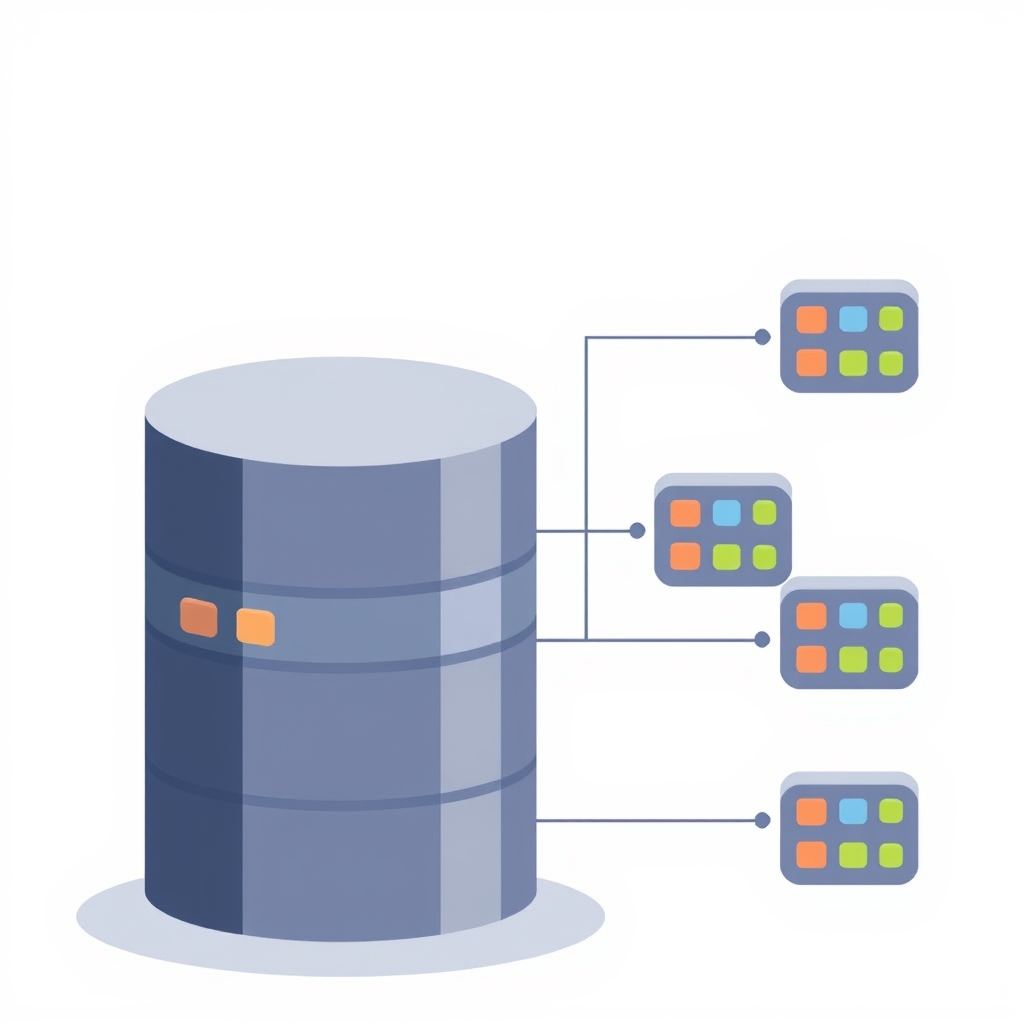
Data isolation is a critical component of SaaS multi-tenancy, as it ensures that each tenant's data is separate and inaccessible to other tenants. There are several approaches to implementing data isolation, including database-per-tenant, schema-per-tenant, and table-per-tenant models. Each approach has its advantages and disadvantages, and the choice of which to use depends on the specific requirements of the application and the needs of the tenants.
Effective data isolation not only enhances security but also simplifies data management and compliance with data protection regulations. For businesses looking to escape the limitations of no-code solutions and build custom applications that meet their specific needs, including robust data isolation mechanisms, consider Escaping No-Code Limits with Custom Builds.
Strategies for Efficient Resource Allocation
Efficient resource allocation is vital in SaaS multi-tenancy to ensure that each tenant receives the necessary resources without overloading the system. Strategies for efficient resource allocation include load balancing, resource pooling, and dynamic resource allocation. By implementing these strategies, businesses can optimize the performance of their SaaS applications, reduce costs, and improve the overall user experience.
For more information on optimizing the performance of Next.js and React applications, which are commonly used in SaaS development, refer to our post on Optimizing Next.js React Performance Metrics. By focusing on efficient resource allocation, businesses can build scalable and responsive SaaS solutions that meet the evolving needs of their customers.
Real-World Examples of Successful Multi-Tenant SaaS
There are numerous real-world examples of successful SaaS multi-tenancy implementations across various industries. These examples demonstrate the flexibility and scalability of the multi-tenant model, from customer relationship management (CRM) systems to project management tools and e-learning platforms. By studying these examples, businesses can gain insights into the design and implementation of effective multi-tenant SaaS solutions.
Our portfolio showcases a variety of custom SaaS platforms we've developed, including those that utilize SaaS multi-tenancy design patterns. Visit our portfolio to explore these examples and learn more about our approach to custom software development.
Common Pitfalls to Avoid in Multi-Tenant Design
When designing a multi-tenant SaaS application, there are several common pitfalls to avoid, including inadequate data isolation, insufficient scalability, and poor resource allocation. These pitfalls can lead to security breaches, performance issues, and dissatisfaction among tenants. By understanding these potential pitfalls and taking steps to mitigate them, businesses can ensure the success and reliability of their SaaS multi-tenancy solutions.
For guidance on evaluating development partners and ensuring that your SaaS project is in the right hands, refer to our post on Evaluating Dev Partners: Time and Materials Pricing. Choosing the right development partner is crucial for navigating the complexities of SaaS development and avoiding common pitfalls.
Conclusion and Next Steps for Implementing SaaS Multi-Tenancy
In conclusion, SaaS multi-tenancy is a powerful design pattern that offers numerous benefits for SaaS applications, including reduced costs, increased scalability, and improved maintainability. By understanding the key considerations, design principles, and common pitfalls associated with multi-tenancy, businesses can build successful and efficient SaaS solutions that meet the needs of their customers.
If you're looking to implement SaaS multi-tenancy in your application or require post-launch support for your existing SaaS solution, consider reaching out to our team at SiteFusion. We offer a range of services, including custom web applications, internal tools, and post-launch support, to help you achieve your goals. To discuss your project and learn more about how we can assist you, book a call with us today.