Introduction to SaaS Multi-Tenancy
As a founder or product leader of a growing SaaS company, you're likely familiar with the concept of SaaS multi-tenancy. In essence, SaaS multi-tenancy refers to the ability of a single software application to serve multiple tenants, or customers, while maintaining separate and secure environments for each. This approach offers numerous benefits, including reduced costs, increased scalability, and improved maintainability. However, implementing effective SaaS multi-tenancy requires careful consideration of several key factors, which we'll explore in this article.
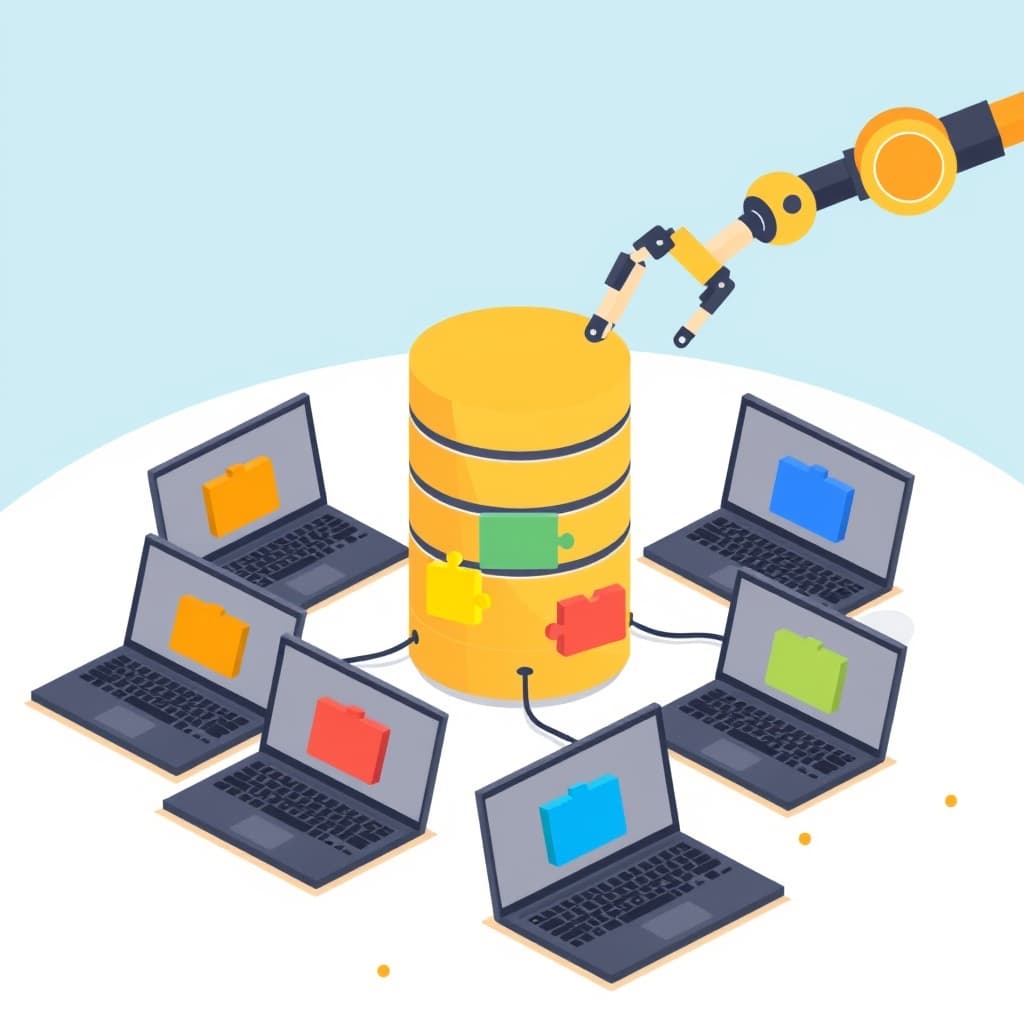
For those new to SaaS multi-tenancy, it's essential to understand the basics of this architecture. A multi-tenant SaaS application is designed to support multiple customers, each with their own dedicated space within the application. This dedicated space is often referred to as a "tenant" or "instance." Each tenant has its own set of users, data, and configuration, which are isolated from those of other tenants.
Benefits and Challenges of Multi-Tenant Architecture
One of the primary benefits of SaaS multi-tenancy is its ability to reduce costs. By serving multiple tenants from a single application, you can avoid the need to maintain separate infrastructure for each customer. This, in turn, can lead to significant cost savings. Additionally, SaaS multi-tenancy enables you to scale your application more efficiently, as you can simply add more resources to support growing demand.
However, implementing SaaS multi-tenancy also presents several challenges. For example, you'll need to ensure that each tenant's data is properly isolated and secure. This can be a complex task, particularly if you're dealing with sensitive or regulated data. Furthermore, you'll need to design your application to handle the unique needs and requirements of each tenant, which can add complexity to your development process.
For more information on designing and implementing SaaS applications, check out our authoritative guide to custom SaaS development.
Designing Role-Based Access Control for Multi-Tenant SaaS
When implementing SaaS multi-tenancy, it's essential to design a robust role-based access control (RBAC) system. This system should enable you to define and manage the roles and permissions of users within each tenant, ensuring that they can only access authorized data and functionality.
A well-designed RBAC system should include features such as role hierarchies, permission inheritance, and auditing. This will enable you to maintain a high level of security and compliance, while also simplifying the management of user access and permissions. For more information on designing and implementing RBAC systems, check out our guide to designing accessible SaaS dashboards.
Data Isolation and Security in Multi-Tenant Environments
Data isolation and security are critical considerations in SaaS multi-tenancy. You'll need to ensure that each tenant's data is properly isolated from that of other tenants, using techniques such as data encryption, access controls, and network segmentation.
Additionally, you should implement robust security measures to protect against unauthorized access, data breaches, and other security threats. This may include features such as multi-factor authentication, intrusion detection, and incident response planning. For more information on SaaS security and compliance, check out our SaaS security compliance guide for founders.
Scalability and Performance Optimization for Multi-Tenant SaaS
To ensure the scalability and performance of your SaaS multi-tenant application, you'll need to design and implement a robust infrastructure. This may include features such as load balancing, autoscaling, and content delivery networks (CDNs).
Additionally, you should optimize your application's performance by minimizing latency, reducing database queries, and leveraging caching mechanisms. For more information on optimizing SaaS application performance, check out our guide to reliable SaaS uptime monitoring strategies.
Subscription Billing and Revenue Management in Multi-Tenant SaaS
When implementing SaaS multi-tenancy, you'll need to design and implement a robust subscription billing and revenue management system. This system should enable you to manage and track subscription plans, pricing, and payments for each tenant.
A well-designed billing and revenue management system should include features such as automated invoicing, payment processing, and revenue recognition. This will enable you to streamline your financial operations, reduce errors, and improve cash flow. For more information on subscription billing and revenue management, check out our guide to optimizing LLM model size for SaaS efficiency.
Onboarding and Customer Success Strategies for Multi-Tenant SaaS
When onboarding new tenants to your SaaS multi-tenant application, it's essential to design and implement a robust onboarding process. This process should include features such as guided tours, training sessions, and support resources.
Additionally, you should develop a customer success strategy that includes regular check-ins, feedback mechanisms, and issue resolution processes. This will enable you to ensure a high level of customer satisfaction, reduce churn, and improve overall customer success. For more information on streamlining B2B customer onboarding, check out our guide to streamlining B2B customer onboarding portals.
Conclusion and Next Steps: Implementing Effective SaaS Multi-Tenancy
In conclusion, implementing effective SaaS multi-tenancy requires careful consideration of several key factors, including data isolation, security, scalability, and customer success. By designing and implementing a robust SaaS multi-tenant architecture, you can reduce costs, improve scalability, and enhance customer satisfaction.
If you're looking to implement SaaS multi-tenancy for your growing SaaS company, we recommend checking out our services page to learn more about our custom SaaS development capabilities. Additionally, our post-launch support services can help you ensure the long-term success and maintenance of your SaaS application.
Ready to get started with SaaS multi-tenancy? Book a call with SiteFusion today to discuss your custom SaaS development needs and learn how we can help you achieve your business goals.