Introduction to AI Business Automation
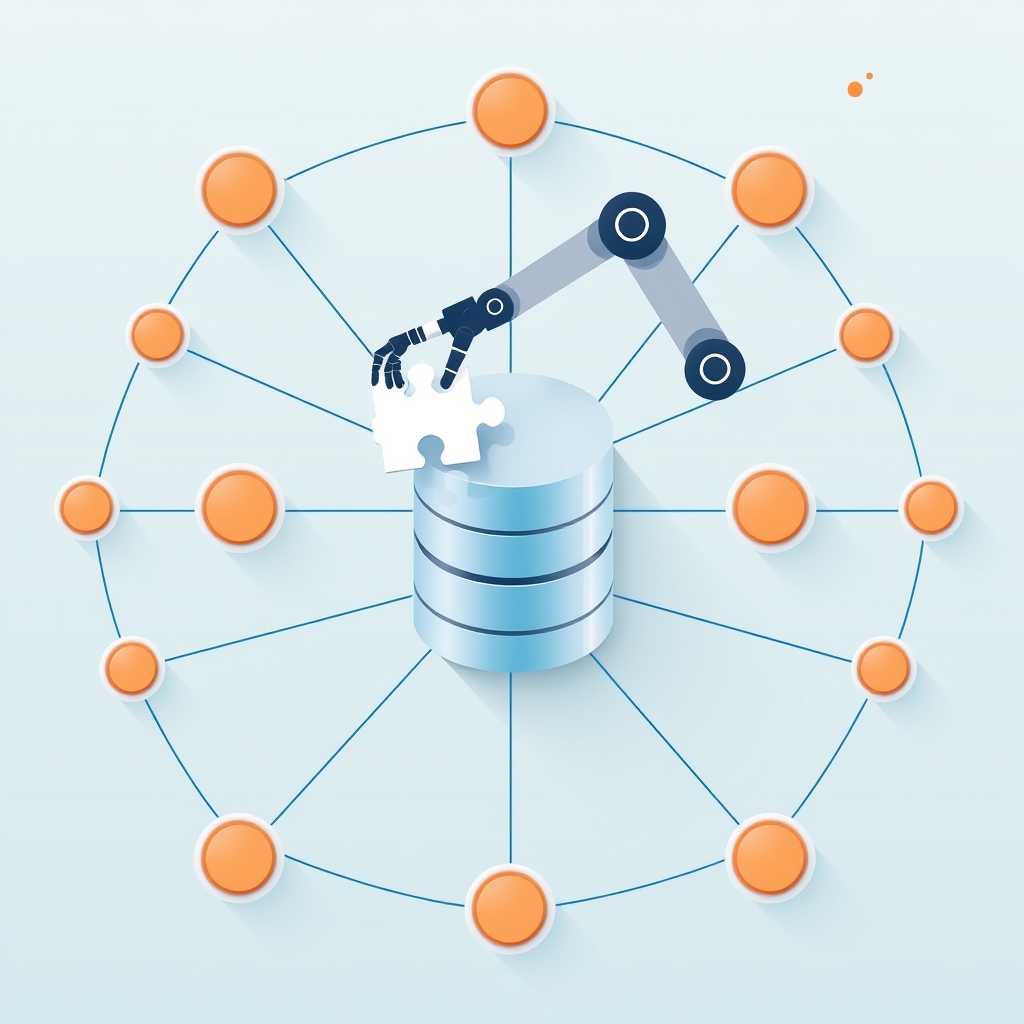
As businesses continue to grow and evolve, they are constantly looking for ways to streamline their operations and improve efficiency. One way to achieve this is through AI business automation, which involves using artificial intelligence to automate repetitive and mundane tasks. This can help free up staff to focus on more strategic and creative work, leading to increased productivity and competitiveness. Workflow automation is a broader topic that encompasses AI business automation, and it's essential to understand the fundamentals of workflow automation to implement AI business automation effectively.
AI business automation can be applied to various aspects of business operations, from customer service to data analysis. By leveraging machine learning algorithms and natural language processing, businesses can automate tasks such as data entry, bookkeeping, and even customer support. This can help reduce errors, increase accuracy, and improve overall efficiency.
Identifying Processes for AI Automation
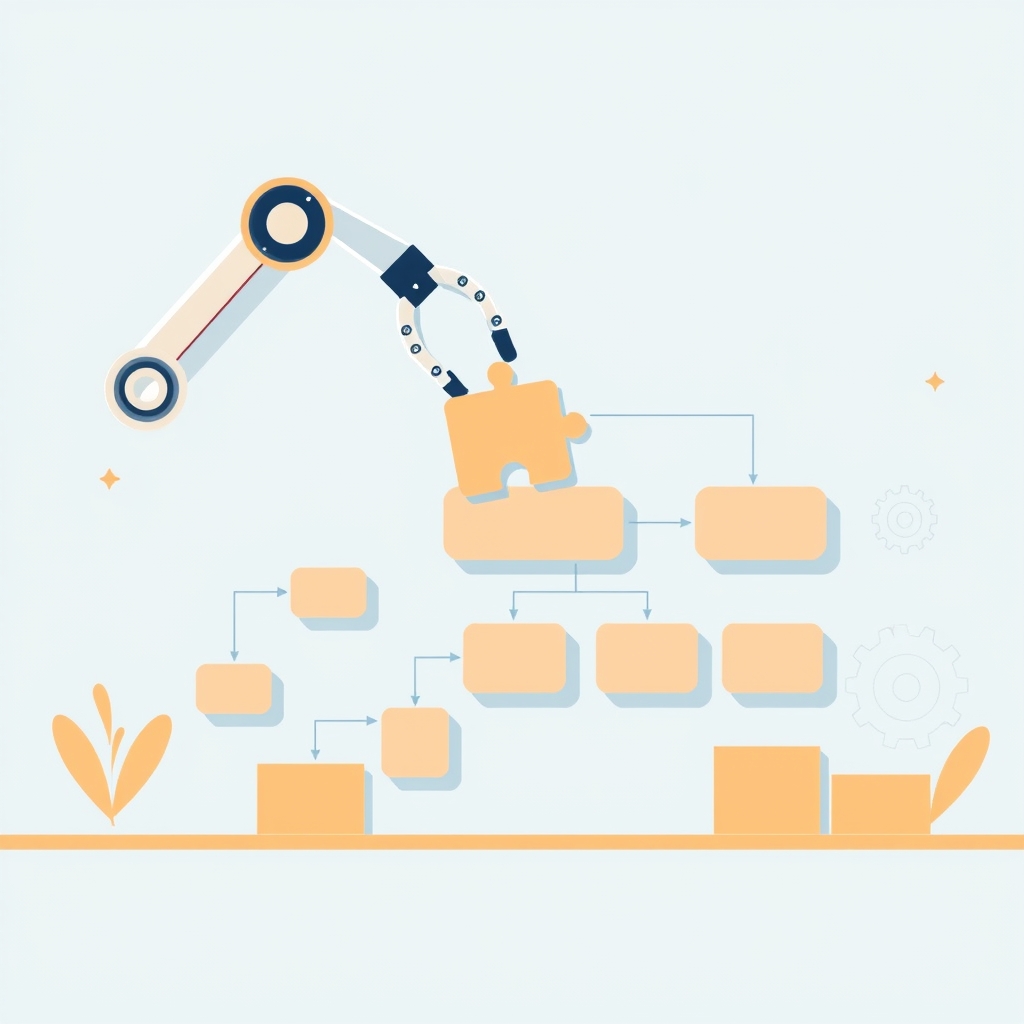
To implement AI business automation, businesses need to identify processes that can be automated. This involves analyzing existing workflows and identifying areas where automation can add value. Some common processes that can be automated include data entry, document processing, and customer service. By automating these processes, businesses can free up staff to focus on more strategic work and improve overall efficiency.
When identifying processes for automation, it's essential to consider the potential return on investment (ROI). Businesses should prioritize processes that are repetitive, time-consuming, and prone to errors. By automating these processes, businesses can achieve significant cost savings and productivity gains.
Benefits of Implementing AI in Business Operations
The benefits of implementing AI in business operations are numerous. Some of the most significant advantages include increased efficiency, improved accuracy, and enhanced customer experience. By automating repetitive tasks, businesses can free up staff to focus on more strategic work, leading to increased productivity and competitiveness. Additionally, AI can help businesses improve their decision-making capabilities by providing real-time insights and data analysis.
AI can also help businesses improve their customer service capabilities. By using chatbots and virtual assistants, businesses can provide 24/7 customer support, improving customer satisfaction and loyalty. Furthermore, AI can help businesses personalize their customer experience, tailoring their marketing and sales efforts to individual customer needs and preferences.
Common Challenges in AI Automation Projects
While AI business automation offers numerous benefits, it also presents several challenges. One of the most significant challenges is the need for high-quality data. AI algorithms require large amounts of data to learn and improve, and poor data quality can lead to inaccurate results. Additionally, AI automation projects often require significant upfront investment, including the cost of software, hardware, and personnel.
Another challenge is the potential for job displacement. As AI automates repetitive tasks, there is a risk that some jobs may become redundant. However, this can also create new job opportunities in areas such as AI development, deployment, and maintenance. To mitigate this risk, businesses should invest in retraining and upskilling their staff to work alongside AI systems.
Best Practices for Successful AI Implementation
To ensure successful AI implementation, businesses should follow best practices such as starting small, focusing on specific use cases, and continuously monitoring and evaluating AI performance. It's also essential to have a clear understanding of the business problem being addressed and to involve stakeholders from across the organization. By following these best practices, businesses can maximize the benefits of AI business automation and minimize the risks.
Additionally, businesses should consider working with experienced development partners who can provide guidance and support throughout the AI implementation process. This can help ensure that AI systems are integrated effectively with existing workflows and that staff are adequately trained to work alongside AI systems. For more information on evaluating development partners, check out our blog post on Hiring a Dev Partner: Evaluating Agency Fit.
Measuring the ROI of AI Business Automation
Measuring the ROI of AI business automation is crucial to understanding its effectiveness and identifying areas for improvement. This involves tracking key performance indicators (KPIs) such as cost savings, productivity gains, and customer satisfaction. By monitoring these KPIs, businesses can evaluate the success of their AI implementation and make adjustments as needed.
It's also essential to consider the long-term benefits of AI business automation, such as increased competitiveness and improved decision-making capabilities. By taking a holistic approach to measuring ROI, businesses can gain a comprehensive understanding of the value of AI business automation and make informed decisions about future investments.
Overcoming Human Resistance to AI Automation
One of the most significant challenges to AI business automation is human resistance. Many employees may be hesitant to work alongside AI systems, fearing job displacement or changes to their workflow. To overcome this resistance, businesses should invest in change management and communication strategies, ensuring that staff understand the benefits and value of AI business automation.
It's also essential to involve staff in the AI implementation process, soliciting their feedback and input to ensure that AI systems meet their needs and expectations. By fostering a culture of collaboration and innovation, businesses can encourage staff to embrace AI business automation and work effectively alongside AI systems. Check out our blog post on Streamlining Ops with Custom Internal Tools to learn more about how to streamline operations and improve employee experience.
Conclusion and Next Steps for AI Adoption
In conclusion, AI business automation offers numerous benefits for businesses, from increased efficiency and productivity to improved customer experience and competitiveness. By following best practices and measuring ROI, businesses can ensure successful AI implementation and maximize the benefits of AI business automation.
If you're interested in learning more about AI business automation and how to implement it in your organization, check out our portfolio of products and post-launch support services. Our team of experts can provide guidance and support throughout the AI implementation process, ensuring that you achieve your business goals and maximize the benefits of AI business automation. To get started, book a call with SiteFusion today and discover how AI business automation can transform your business operations.