Introduction to Internal Tools Automation
As businesses grow, their operations teams often face increasing complexity and workload, making it challenging to maintain efficiency and productivity. This is where Internal Tools Automation comes in, enabling companies to streamline their internal processes, reduce manual errors, and free up resources for more strategic tasks. By automating internal tools and workflows, organizations can improve their overall performance, enhance customer satisfaction, and gain a competitive edge in the market.
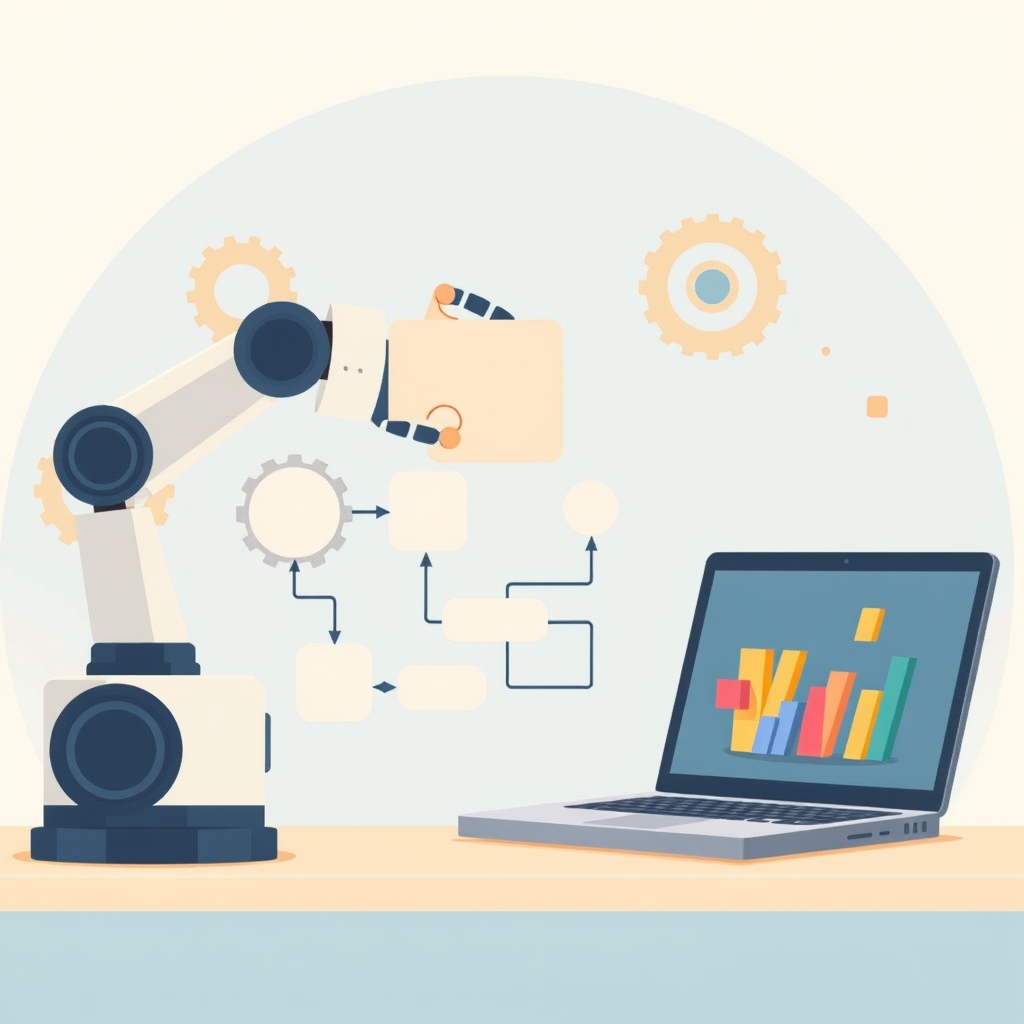
Internal tools automation involves the use of software and technology to automate repetitive, time-consuming, and error-prone tasks, allowing operations teams to focus on higher-value activities. This can include tasks such as data entry, document processing, and workflow management, among others. By leveraging internal tools automation, businesses can unlock significant benefits, from improved efficiency and reduced costs to enhanced employee experience and increased customer satisfaction.
Common Pain Points in Operations Teams
Operations teams in growing companies often face a range of challenges, from managing increasing workloads and complexity to dealing with manual errors and inefficiencies. Some common pain points include inefficient workflows, lack of visibility and transparency, and limited scalability. These issues can lead to delayed decision-making, decreased productivity, and reduced customer satisfaction, ultimately impacting the company's bottom line.
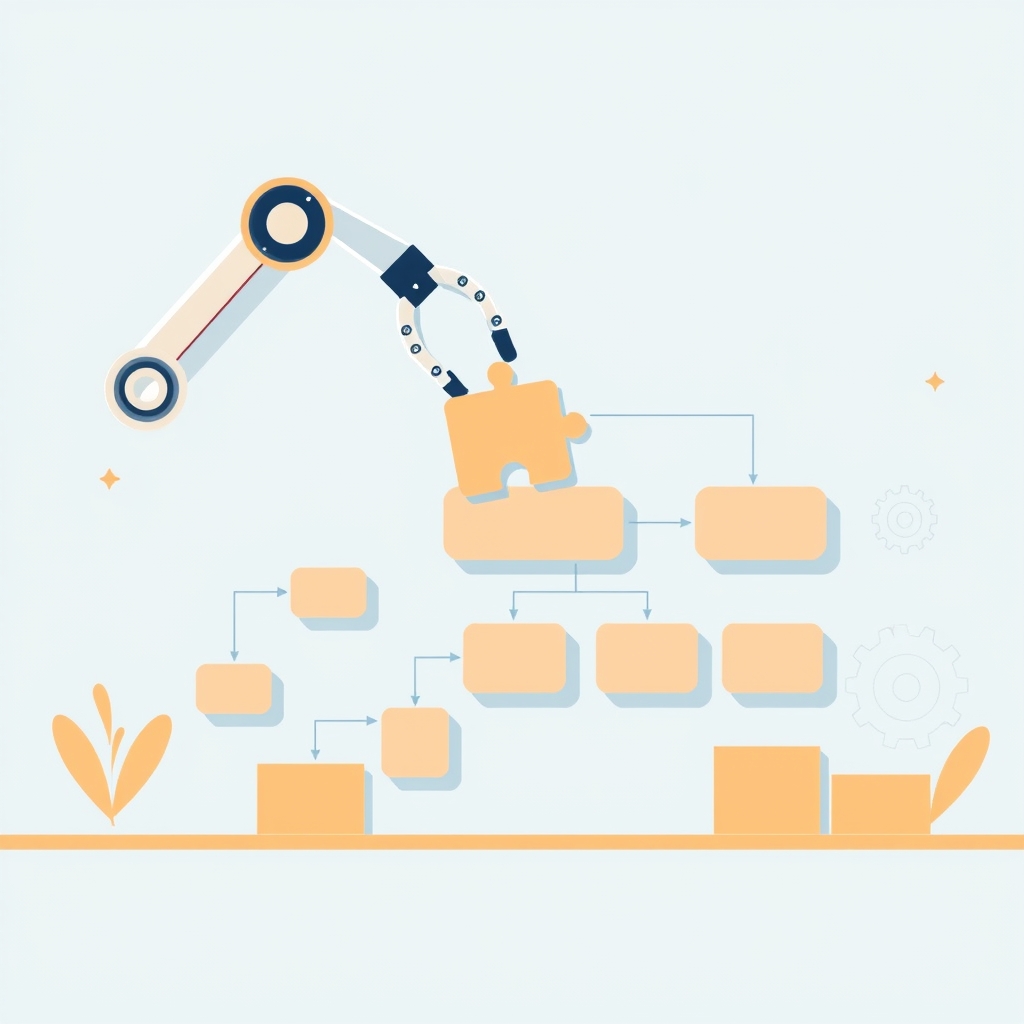
To address these challenges, operations teams need to identify areas where Internal Tools Automation can have the greatest impact. This may involve analyzing workflows, identifying bottlenecks, and determining which tasks can be automated to achieve the greatest benefits. By doing so, companies can unlock significant efficiencies, improve their overall performance, and achieve their business objectives.
Benefits of Automating Internal Tools and Processes
The benefits of Internal Tools Automation are numerous and well-documented. By automating internal tools and processes, companies can achieve significant improvements in efficiency, productivity, and customer satisfaction. Some of the key benefits include reduced manual errors, increased scalability, and enhanced visibility and transparency. Additionally, internal tools automation can help companies to improve their compliance and risk management, reduce costs, and enhance their overall competitiveness.
As discussed in our post on AI Automation for Business Operations, the use of artificial intelligence and machine learning can play a key role in internal tools automation, enabling companies to automate complex tasks, make data-driven decisions, and unlock new insights and opportunities. By leveraging these technologies, businesses can achieve significant benefits, from improved efficiency and productivity to enhanced customer experience and increased revenue growth.
Designing Effective Automated Internal Tools
Designing effective automated internal tools requires a deep understanding of the company's workflows, processes, and requirements. It involves identifying areas where automation can have the greatest impact, determining the most suitable technologies and solutions, and ensuring that the automated tools are user-friendly, intuitive, and easy to use. Some key considerations include scalability, flexibility, and integration with existing systems, as well as security, compliance, and data privacy.
As outlined in our post on Designing Accessible Software: A Founders Guide, designing accessible and user-friendly software is critical to ensuring the success of internal tools automation. This involves considering the needs of all users, including those with disabilities, and ensuring that the automated tools are accessible, usable, and enjoyable for everyone.
Integrating Automated Tools with Existing Systems
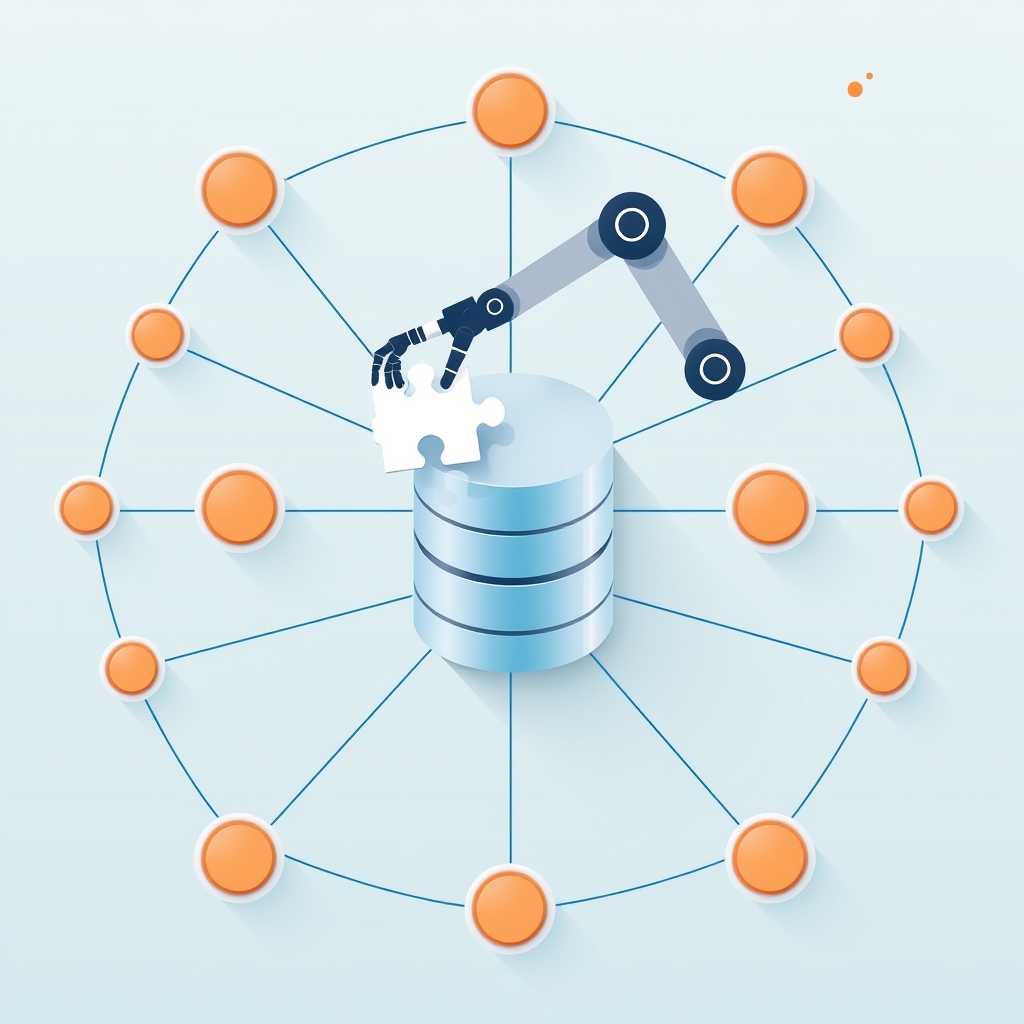
Integrating automated internal tools with existing systems is critical to ensuring the success of Internal Tools Automation. This involves connecting the automated tools with other systems, applications, and workflows, to ensure seamless data exchange, workflow automation, and business process integration. Some key considerations include API integrations, data mapping, and workflow orchestration, as well as security, compliance, and data privacy.
As discussed in our post on Building Robust API Integrations for Connected Systems, building robust API integrations is essential to ensuring the success of internal tools automation. This involves designing and implementing APIs that are scalable, secure, and reliable, and that can support the company's growing needs and requirements.
Measuring Success and ROI of Internal Tools Automation
Measuring the success and ROI of Internal Tools Automation is critical to ensuring that the company is achieving its business objectives and maximizing its returns on investment. This involves tracking key metrics and KPIs, such as productivity, efficiency, and customer satisfaction, and analyzing the impact of internal tools automation on the company's bottom line. Some key considerations include defining clear goals and objectives, establishing metrics and benchmarks, and continuously monitoring and evaluating the performance of the automated internal tools.
As outlined in our post on Prioritizing MVP Features Effectively, prioritizing MVP features effectively is essential to ensuring the success of internal tools automation. This involves identifying the most critical features and functionalities, and focusing on delivering a minimum viable product that meets the company's immediate needs and requirements.
Overcoming Implementation Challenges and Barriers
Overcoming implementation challenges and barriers is critical to ensuring the success of Internal Tools Automation. This involves addressing common obstacles, such as resistance to change, lack of resources, and technical complexity, and developing strategies to overcome them. Some key considerations include change management, training and support, and continuous monitoring and evaluation.
As discussed in our post on Hiring a Dev Partner: Evaluating Agency Fit, hiring a dev partner can be an effective way to overcome implementation challenges and barriers. This involves selecting a partner that has the necessary expertise, experience, and resources to support the company's internal tools automation initiatives, and ensuring that the partner is aligned with the company's goals, values, and culture.
Conclusion and Next Steps: Getting Started with Internal Tools Automation
In conclusion, Internal Tools Automation is a powerful strategy for growing companies to streamline their internal processes, reduce manual errors, and free up resources for more strategic tasks. By leveraging internal tools automation, businesses can unlock significant benefits, from improved efficiency and productivity to enhanced customer experience and increased revenue growth.
To get started with internal tools automation, companies should consider exploring our services and portfolio of products, and booking a call with our team to discuss their specific needs and requirements. Additionally, companies can learn more about internal tools automation by visiting our pillar guide on the topic, which provides a comprehensive overview of the benefits, challenges, and best practices of internal tools automation. By taking these steps, businesses can unlock the full potential of internal tools automation and achieve their business objectives. Ready to get started? Book a call with SiteFusion today to learn more about how we can support your internal tools automation initiatives.