
The State of Internal Tools in Operations
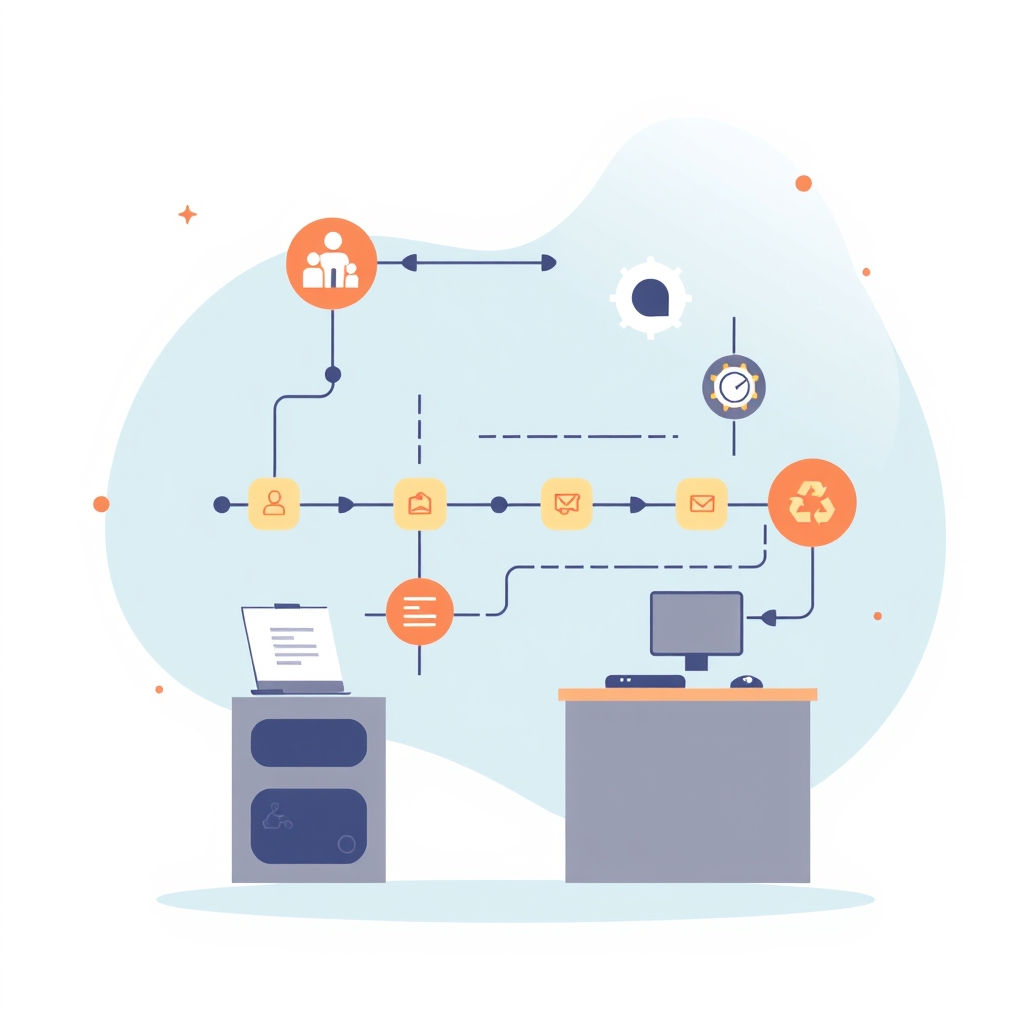
Operations teams are the backbone of any organization, responsible for ensuring the smooth day-to-day functioning of the business. However, many ops teams still rely on manual processes, spreadsheets, and outdated software to manage their workflows. This is where internal tools for ops come in – custom-built solutions designed to streamline operations, improve efficiency, and reduce costs. By implementing effective internal tools for ops, organizations can unlock significant productivity gains and drive business growth.
Despite the potential benefits, many organizations struggle to develop and implement internal tools that meet the needs of their ops teams. This can be due to a lack of technical expertise, limited resources, or a lack of understanding of the specific pain points and challenges faced by ops teams. As a result, many internal tools fail to gain traction, and ops teams are left to continue using inefficient and outdated processes.
Identifying Inefficiencies in Current Workflows
To build effective internal tools for ops, it's essential to first identify the inefficiencies and pain points in current workflows. This involves conducting a thorough analysis of existing processes, speaking with ops team members, and gathering feedback on areas for improvement. By understanding the specific challenges and needs of the ops team, organizations can design internal tools that address these pain points and provide real value.
Some common inefficiencies in ops workflows include manual data entry, lack of automation, and inadequate reporting and analytics. By addressing these issues through custom-built internal tools, organizations can reduce the risk of errors, improve productivity, and gain better insights into their operations.
Designing Internal Tools for Adoption and Use
Once the inefficiencies in current workflows have been identified, it's time to design internal tools that meet the needs of the ops team. This involves working closely with ops team members to understand their requirements, preferences, and workflows. It's also essential to consider the user experience and ensure that the internal tool is intuitive, easy to use, and provides a seamless user experience.
For more information on designing effective internal tools, check out our blog post on Building Effective Internal Tools. This post provides valuable insights and tips on how to design internal tools that drive adoption and use.
Automating Manual Workflows with Custom Tools
One of the most significant benefits of internal tools for ops is the ability to automate manual workflows. By automating repetitive and time-consuming tasks, ops teams can free up more time to focus on higher-value activities, such as strategy, planning, and analysis. Custom-built internal tools can be designed to automate specific workflows, such as data entry, reporting, and compliance tasks.
For example, our blog post on Automating Manual Workflows with Custom Tools provides a detailed overview of how custom tools can be used to automate manual workflows and improve productivity.
Best Practices for Building Effective Internal Tools
When building internal tools for ops, there are several best practices to keep in mind. These include involving ops team members in the design and development process, prioritizing user experience, and ensuring that the internal tool is scalable and flexible. It's also essential to consider integration with existing systems and tools, as well as security and compliance requirements.
Some organizations may be using Airtable and Zapier to manage their ops workflows. However, as the organization grows, these tools may become inadequate. Our blog post on 7 Signs You Have Outgrown Airtable and Zapier provides guidance on when it's time to consider custom-built internal tools.
Measuring the Success of Internal Tools
Once an internal tool has been built and implemented, it's essential to measure its success. This involves tracking key metrics, such as adoption rates, user engagement, and productivity gains. By measuring the success of internal tools, organizations can identify areas for improvement, make data-driven decisions, and ensure that the internal tool is meeting the needs of the ops team.
Our blog post on Your Website Is Slowly Breaking. Here’s How to Stop It provides valuable insights on how to measure the success of digital products, including internal tools.
Overcoming Common Challenges in Internal Tool Development
Building internal tools for ops can be challenging, and organizations may encounter several obstacles along the way. These include limited resources, lack of technical expertise, and difficulty in defining requirements. To overcome these challenges, it's essential to work with an experienced development partner who can provide guidance, support, and expertise.
Our team at SiteFusion has extensive experience in building custom internal tools for ops teams. We can provide post-launch support to ensure that your internal tool is running smoothly and meeting the needs of your ops team. Check out our portfolio to see examples of our work.
Conclusion and Call to Action: Improving Ops with Custom Tools
In conclusion, internal tools for ops can have a significant impact on the efficiency and productivity of operations teams. By identifying inefficiencies, designing effective internal tools, and automating manual workflows, organizations can unlock significant benefits and drive business growth. If you're looking to improve your ops team's productivity and efficiency, consider building custom internal tools.
Ready to get started? Book a call with SiteFusion to discuss your internal tool development needs and learn more about how we can help. We can help you build custom internal tools that meet the specific needs of your ops team and drive real value for your organization. With our expertise and guidance, you can create internal tools for ops that make a real difference.