Introduction to SaaS Multi-Tenancy: Benefits and Challenges
As a growing company, you're likely considering SaaS multi-tenancy as a way to efficiently deliver your software to multiple customers from a single instance. This approach offers numerous benefits, including reduced costs, simplified maintenance, and enhanced scalability. However, it also presents several challenges, such as ensuring data isolation, managing customization, and maintaining performance. In this article, we'll delve into the key considerations for designing a successful SaaS multi-tenancy architecture.
To better understand the complexities of SaaS multi-tenancy, it's essential to explore the various design patterns and strategies that can help you overcome the associated challenges. By doing so, you'll be able to create a robust and efficient architecture that meets the needs of your customers while also driving business growth.
Key Considerations for Designing Multi-Tenant Architecture
When designing a multi-tenant architecture, there are several key considerations to keep in mind. These include data storage, security, scalability, and customization. It's crucial to strike a balance between these factors to ensure that your architecture is both efficient and effective. For instance, you may want to consider implementing a data encryption strategy to ensure the security and integrity of your customers' data.
In addition to these technical considerations, it's also important to think about the business implications of your multi-tenant architecture. This includes factors such as pricing, licensing, and support. By taking a holistic approach to design, you can create an architecture that not only meets the technical needs of your customers but also drives business success.
Database Tenancy Models: Pros, Cons, and Best Practices
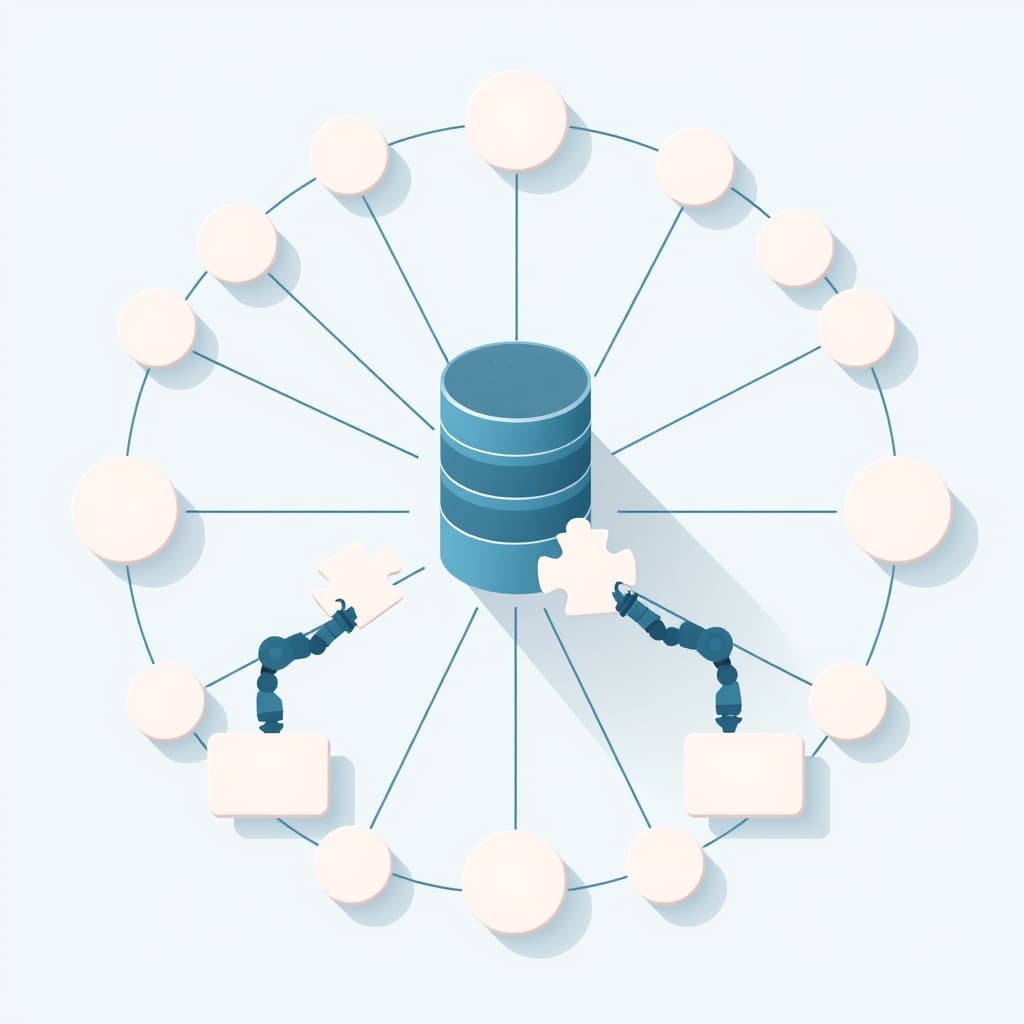
One of the most critical aspects of SaaS multi-tenancy is the database tenancy model. There are several approaches to choose from, each with its pros and cons. These include separate databases, shared databases with separate schemas, and shared databases with shared schemas. The right approach will depend on your specific use case and requirements. For example, if you're building a custom e-commerce solution, you may want to consider a separate database approach to ensure data isolation and security.
Best practices for database tenancy models include implementing robust access controls, using encryption to protect sensitive data, and regularly monitoring and auditing database activity. By following these best practices, you can ensure that your database tenancy model is secure, scalable, and efficient.
Security and Data Isolation in Multi-Tenant SaaS
Security and data isolation are critical considerations in SaaS multi-tenancy. To ensure the integrity and confidentiality of customer data, it's essential to implement robust security measures, such as access controls, encryption, and firewalls. Additionally, you should consider implementing data isolation techniques, such as separate databases or schemas, to prevent data breaches and unauthorized access.
For more information on mastering SaaS data encryption compliance, check out our article on Mastering SaaS Data Encryption Compliance. By following best practices and implementing robust security measures, you can ensure that your multi-tenant SaaS solution is secure and trustworthy.
Scalability and Performance Optimization for Multi-Tenant SaaS
Scalability and performance are critical factors in SaaS multi-tenancy. To ensure that your solution can handle increased traffic and user demand, it's essential to implement scalable architecture and optimize performance. This can include techniques such as load balancing, caching, and content delivery networks (CDNs). For more information on optimizing performance, check out our Next.js React Performance Optimization Guide.
In addition to these technical optimizations, it's also important to consider the business implications of scalability and performance. This includes factors such as pricing, licensing, and support. By taking a holistic approach to scalability and performance, you can create a solution that not only meets the technical needs of your customers but also drives business success.
Real-World Examples of Successful Multi-Tenant SaaS Implementations
There are many real-world examples of successful SaaS multi-tenancy implementations. These include solutions such as customer relationship management (CRM) software, enterprise resource planning (ERP) systems, and e-commerce platforms. For instance, our team at SiteFusion has experience building custom SaaS solutions for a variety of industries and use cases.
By studying these examples and learning from the experiences of others, you can gain valuable insights and best practices for designing and implementing your own multi-tenant SaaS solution. For more information on our services and how we can help you build a successful SaaS solution, check out our what we build page.
Common Pitfalls to Avoid in SaaS Multi-Tenancy Design
When designing a SaaS multi-tenancy solution, there are several common pitfalls to avoid. These include inadequate security measures, poor data isolation, and insufficient scalability. Additionally, it's essential to consider the business implications of your design, including factors such as pricing, licensing, and support.
To avoid these pitfalls, it's crucial to take a holistic approach to design, considering both technical and business factors. This includes implementing robust security measures, using data isolation techniques, and optimizing performance and scalability. For more information on how to avoid common pitfalls and design a successful SaaS multi-tenancy solution, check out our custom SaaS guide.
Conclusion and Next Steps: Implementing Effective SaaS Multi-Tenancy
In conclusion, SaaS multi-tenancy is a powerful approach to delivering software to multiple customers from a single instance. By considering key factors such as data storage, security, scalability, and customization, you can design a robust and efficient architecture that meets the needs of your customers while driving business growth.
If you're looking to implement a successful SaaS multi-tenancy solution, our team at SiteFusion is here to help. With expertise in post-launch support and a range of other services, we can help you design, build, and maintain a scalable and secure SaaS solution. Book a call with us today to discuss your project and take the first step towards implementing effective SaaS multi-tenancy.