Introduction to AI Workflow Automation
As businesses continue to grow and scale, they often find themselves struggling to manage complex workflows and processes. This is where AI workflow automation comes in, providing a powerful solution to streamline and optimize business operations. By leveraging AI and machine learning, companies can automate repetitive tasks, improve efficiency, and reduce costs. In this article, we'll explore the concept of AI workflow automation and its application in lead to cash workflows.
For companies looking to improve their operations, our workflow automation guide provides a comprehensive overview of the topic, covering the benefits, challenges, and best practices of implementing AI workflow automation solutions.
Understanding Lead To Cash Workflows
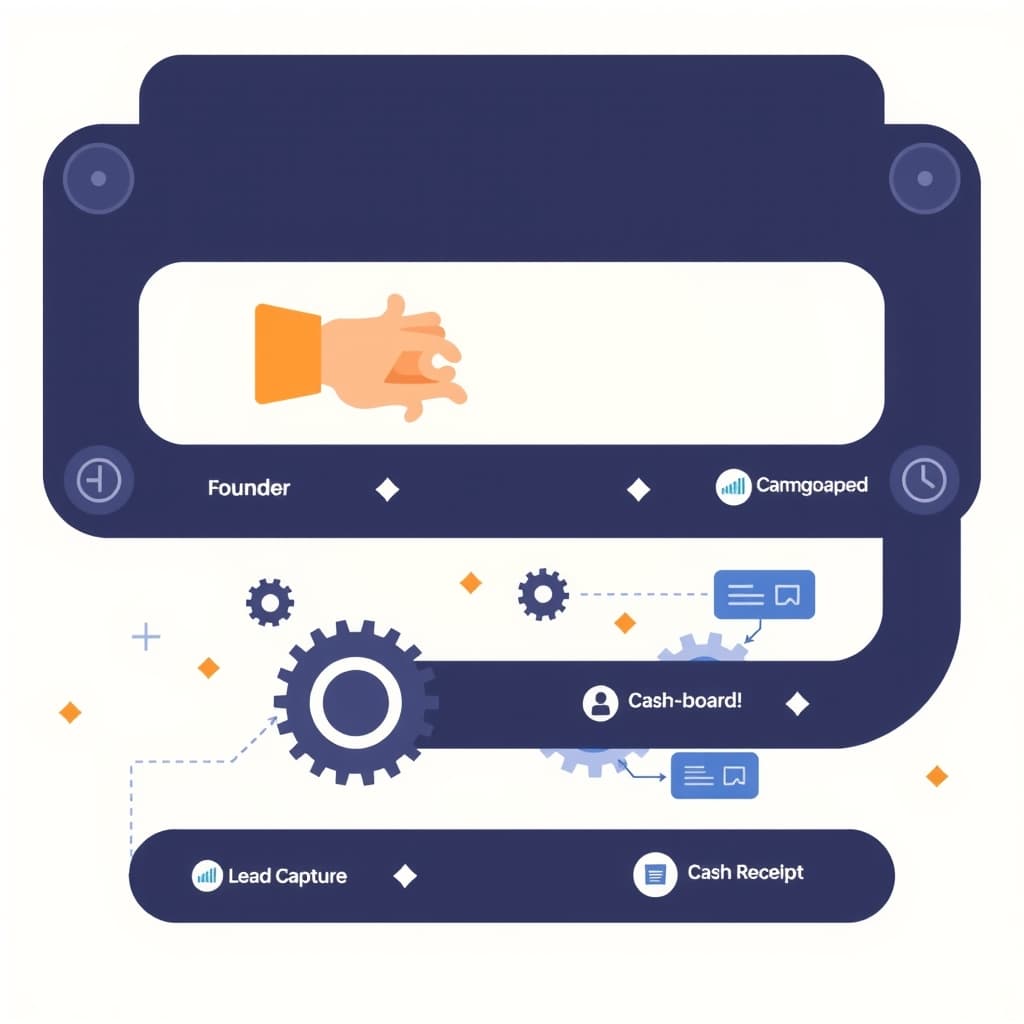
Lead to cash workflows refer to the entire process of converting a lead into a paying customer, from initial contact to final payment. This process involves multiple stages, including lead generation, qualification, conversion, and fulfillment. Each stage requires careful management and coordination to ensure a smooth and efficient process. However, many companies still rely on manual processes, which can lead to errors, delays, and lost opportunities.
By automating lead to cash workflows, companies can improve the overall customer experience, reduce the risk of errors, and increase revenue. For example, automating internal tool workflows can help streamline processes and improve productivity.
Identifying Automation Opportunities in Lead To Cash
To identify automation opportunities in lead to cash workflows, companies need to analyze their current processes and identify areas where automation can add value. This may involve mapping out the entire workflow, identifying bottlenecks and pain points, and determining which tasks can be automated. Some common automation opportunities in lead to cash workflows include lead qualification, data entry, and payment processing.
By leveraging AI workflow automation, companies can automate these tasks and free up staff to focus on higher-value activities, such as sales and customer support. Additionally, automation can help improve data accuracy and reduce the risk of errors.
Designing AI-Powered Lead To Cash Workflows
Designing AI-powered lead to cash workflows requires a deep understanding of the business process and the ability to identify opportunities for automation. This involves working with stakeholders to map out the current workflow, identifying areas for improvement, and designing a new workflow that leverages AI and automation. Some key considerations when designing AI-powered workflows include data quality, integration with existing systems, and user experience.
For companies looking to design and build custom software solutions, our team of experts can provide guidance and support to ensure a successful implementation. We also offer post-launch support to help companies maintain and optimize their solutions over time.
Key Principles for Designing AI-Powered Workflows
- Start with a clear understanding of the business process and goals
- Identify opportunities for automation and AI-powered decision-making
- Design a workflow that is intuitive and user-friendly
- Ensure seamless integration with existing systems and data sources
Implementing AI Workflow Automation Solutions
Implementing AI workflow automation solutions requires careful planning and execution. This involves working with stakeholders to design and build the solution, testing and refining the workflow, and training staff on the new system. Some key considerations when implementing AI workflow automation solutions include data quality, system integration, and user adoption.
For companies looking to implement AI workflow automation solutions, building resilient API integrations is critical to ensuring seamless integration with existing systems and data sources.
Overcoming Common Challenges in AI Workflow Automation
While AI workflow automation offers many benefits, it also presents several challenges, including data quality issues, system integration problems, and user resistance to change. To overcome these challenges, companies need to invest in data quality initiatives, ensure seamless system integration, and provide training and support to staff. Additionally, companies need to monitor and evaluate the performance of their AI workflow automation solutions to identify areas for improvement.
By leveraging AI workflow automation, companies can overcome these challenges and achieve significant improvements in efficiency, productivity, and customer satisfaction. For example, designing user flow for SaaS tools can help improve user adoption and reduce the risk of errors.
Measuring the Success of AI Workflow Automation
Measuring the success of AI workflow automation requires careful consideration of key performance indicators (KPIs) and metrics. Some common metrics for evaluating the success of AI workflow automation include process cycle time, throughput, and error rate. Companies should also consider metrics such as customer satisfaction, revenue growth, and return on investment (ROI).
By tracking and analyzing these metrics, companies can evaluate the effectiveness of their AI workflow automation solutions and identify areas for improvement. For example, optimizing performance can help improve the overall efficiency and effectiveness of the workflow.
Conclusion and Next Steps: Getting Started with AI Workflow Automation
In conclusion, AI workflow automation offers a powerful solution for streamlining and optimizing business operations. By leveraging AI and machine learning, companies can automate repetitive tasks, improve efficiency, and reduce costs. To get started with AI workflow automation, companies should begin by identifying opportunities for automation, designing AI-powered workflows, and implementing AI workflow automation solutions.
If you're interested in learning more about how AI workflow automation can benefit your business, book a call with our team to discuss your options and determine the best approach for your organization. We also invite you to explore our portfolio of products to see examples of our work and learn more about our approach to custom software development.