Introduction to Custom SaaS and Multi-Tenancy
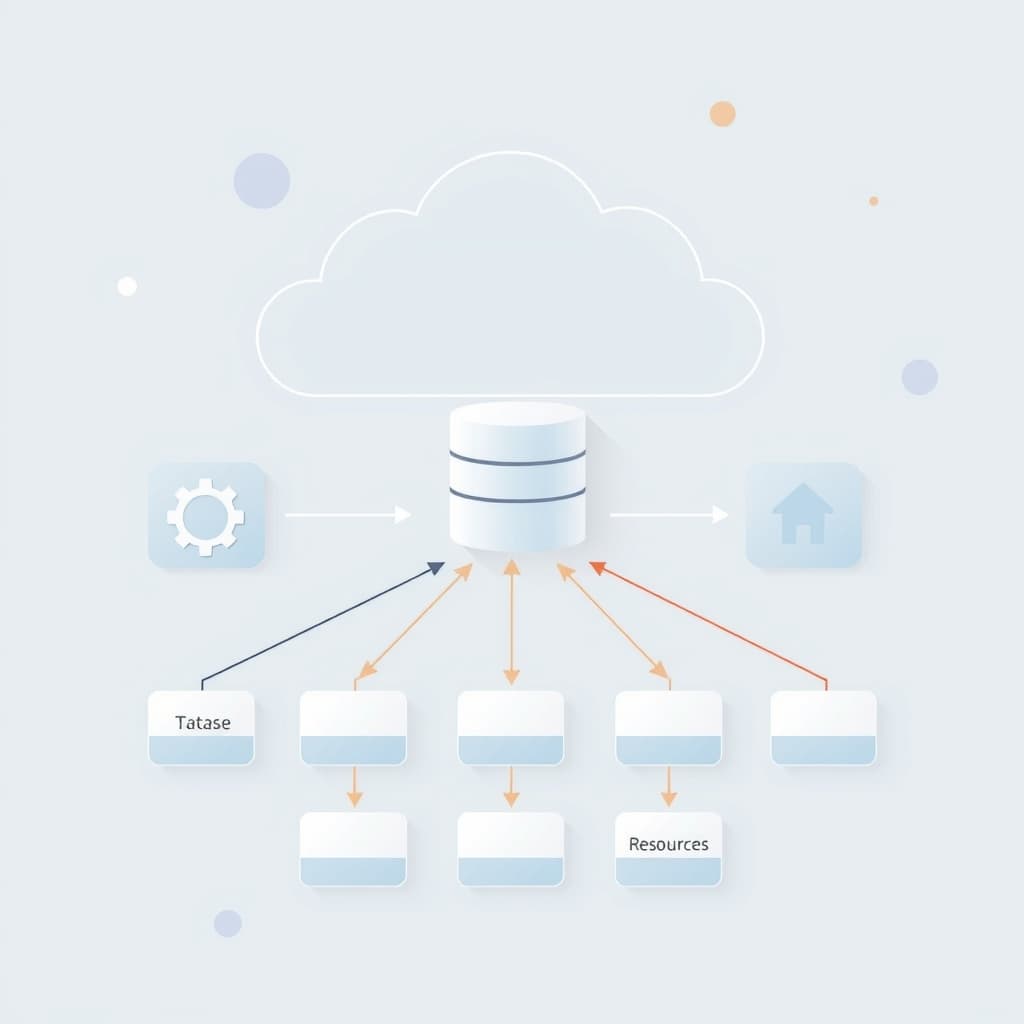
As businesses grow, they often require customized software solutions to meet their unique needs. This is where Custom SaaS (Software as a Service) comes in, offering tailored applications that can be accessed over the internet. One key aspect of Custom SaaS is Custom SaaS Multi-Tenancy, which allows multiple customers to share the same instance of the software, while maintaining their own separate and secure environments. This approach offers numerous benefits, including reduced costs, increased scalability, and improved maintainability.
For founders, product leaders, and operations managers, understanding the concept of Custom SaaS Multi-Tenancy is crucial for making informed decisions about their software development strategies. By implementing multi-tenancy in their SaaS products, businesses can efficiently serve multiple customers, while also ensuring the security and integrity of each customer's data.
Benefits of Implementing Multi-Tenancy in SaaS Products
Implementing Custom SaaS Multi-Tenancy in SaaS products offers several benefits, including cost savings, increased scalability, and improved maintainability. With multi-tenancy, businesses can reduce their infrastructure costs, as multiple customers share the same instance of the software. This approach also enables businesses to quickly scale up or down to meet changing customer demands, without incurring significant additional costs.
In addition to these benefits, multi-tenancy also allows businesses to improve their customer onboarding processes, as new customers can be quickly provisioned and configured within the existing infrastructure. This streamlined onboarding process can lead to increased customer satisfaction and reduced churn rates. For more information on optimizing customer onboarding, check out our blog post on Optimizing B2B Customer Portal UX For Growth.
Design Considerations for Multi-Tenant SaaS Architecture
When designing a multi-tenant SaaS architecture, there are several key considerations to keep in mind. First and foremost, businesses must ensure that their architecture is secure and scalable, with adequate measures in place to protect customer data and prevent unauthorized access. This may involve implementing robust access controls, data encryption, and regular security audits.
In addition to security considerations, businesses must also think about the overall user experience and how it will be impacted by the multi-tenant architecture. This includes designing intuitive navigation and workflows, as well as ensuring that the application is optimized for performance and reliability. For more information on designing intuitive SaaS navigation, check out our blog post on Designing Intuitive SaaS Navigation.
Role-Based Access Control in Multi-Tenant Environments
In a multi-tenant environment, role-based access control (RBAC) is essential for ensuring that customers only have access to their own data and functionality. RBAC involves assigning users to specific roles, each with its own set of permissions and access rights. This approach enables businesses to maintain fine-grained control over who can access what, while also streamlining the user management process.
By implementing RBAC in their multi-tenant SaaS products, businesses can reduce the risk of data breaches and unauthorized access, while also improving overall security and compliance. For more information on SaaS security and compliance, check out our SaaS Security Compliance Essentials Guide.
Subscription Billing and Revenue Management in Custom SaaS
For businesses offering Custom SaaS solutions, subscription billing and revenue management are critical components of their overall business model. With multi-tenancy, businesses can offer tiered pricing plans and flexible billing options, allowing customers to choose the plan that best suits their needs.
However, managing subscription billing and revenue can be complex, particularly in a multi-tenant environment. Businesses must ensure that they have robust systems in place for tracking customer subscriptions, processing payments, and managing revenue recognition. For more information on building reliable API integrations for connected systems, check out our blog post on Building Reliable API Integrations for Connected Systems.
Overcoming Common Challenges in Multi-Tenant SaaS Development
While multi-tenancy offers numerous benefits, it also presents several challenges, particularly during the development phase. One common challenge is ensuring that the application is scalable and performant, while also maintaining the security and integrity of customer data.
Another challenge is managing the complexity of multi-tenancy, particularly when it comes to issues like data isolation, access control, and customization. To overcome these challenges, businesses must work with experienced development partners who have a deep understanding of multi-tenancy and Custom SaaS development. For more information on evaluating dev partners, check out our blog post on Evaluating Dev Partners: Time & Materials Pricing.
Best Practices for Scaling Custom SaaS with Multi-Tenancy
To scale Custom SaaS with multi-tenancy, businesses must follow best practices for development, deployment, and maintenance. This includes designing the application with scalability and performance in mind, as well as implementing robust security measures to protect customer data.
Businesses must also prioritize proactive maintenance and support, ensuring that the application is always up-to-date and running smoothly. For more information on proactive SaaS maintenance strategies, check out our blog post on Proactive SaaS Maintenance Strategies Founders Need. Additionally, our team at SiteFusion offers post-launch support to help businesses ensure the long-term success of their Custom SaaS solutions.
Conclusion and Next Steps: Leveraging Multi-Tenancy for SaaS Growth
In conclusion, Custom SaaS Multi-Tenancy is a powerful approach for businesses looking to scale their SaaS solutions while maintaining the security and integrity of customer data. By following best practices for development, deployment, and maintenance, businesses can leverage multi-tenancy to drive growth and revenue.
For a broader overview of Custom SaaS development, check out our pillar guide on the topic. If you're looking to build a Custom SaaS solution with multi-tenancy, our team at SiteFusion is here to help. Book a call with us to discuss your project and learn more about how we can support your SaaS growth goals.