Introduction to Connected Systems and API Integrations
As businesses grow, they often find themselves relying on a complex network of connected systems to manage their operations. At the heart of these systems are API Integrations, which enable different applications and services to communicate with each other seamlessly. In this article, we will explore the importance of building reliable API Integrations and provide guidance on how to achieve this goal. Whether you are a founder, ops lead, or product manager, understanding the role of API Integrations is crucial for scaling your business efficiently.
Connected systems can include a range of tools and platforms, from customer relationship management (CRM) software to marketing automation platforms. By integrating these systems through API Integrations, businesses can streamline their workflows, reduce manual errors, and gain valuable insights into their operations. For example, integrating your CRM with your marketing automation platform can help you personalize your marketing campaigns and improve customer engagement.
Understanding the Challenges of API Integration
While API Integrations offer numerous benefits, they also present several challenges. One of the main difficulties is ensuring that different systems can communicate with each other effectively, despite potential differences in data formats, protocols, and architectures. Additionally, API Integrations can be prone to errors, security breaches, and performance issues if not implemented correctly. To overcome these challenges, it is essential to have a deep understanding of the systems being integrated and the API Integrations themselves.
A well-designed API Integration should be able to handle errors gracefully, provide robust security measures, and optimize performance. This can be achieved by implementing idempotent API design, choosing the right integration patterns, and following best practices for testing and maintenance. By doing so, businesses can ensure that their API Integrations are reliable, efficient, and scalable.
Design Principles for Reliable API Integrations
When designing API Integrations, there are several key principles to keep in mind. First, it is essential to define clear goals and requirements for the integration, including the data that will be exchanged, the protocols that will be used, and the security measures that will be implemented. Second, the integration should be designed with scalability and flexibility in mind, allowing for easy modification and extension as the business grows. Finally, the integration should be built with reliability and fault tolerance in mind, using techniques such as idempotent API design and error handling.
For more information on designing intuitive and user-friendly systems, check out our article on Designing Intuitive SaaS Navigation. By applying these design principles, businesses can create API Integrations that are reliable, efficient, and meet the needs of their users.
Implementing Idempotent API Design for Fault Tolerance
Idempotent API design is a critical technique for building fault-tolerant API Integrations. In essence, an idempotent API is one that can be called multiple times with the same input parameters without causing unintended side effects. This is particularly important in distributed systems, where errors and retries are common. By implementing idempotent API design, businesses can ensure that their API Integrations are resilient to failures and can recover quickly from errors.
Idempotent API design can be achieved through various techniques, including the use of unique identifiers, versioning, and caching. By applying these techniques, businesses can build API Integrations that are highly reliable and fault-tolerant, even in the face of errors and failures.
Choosing the Right API Integration Patterns
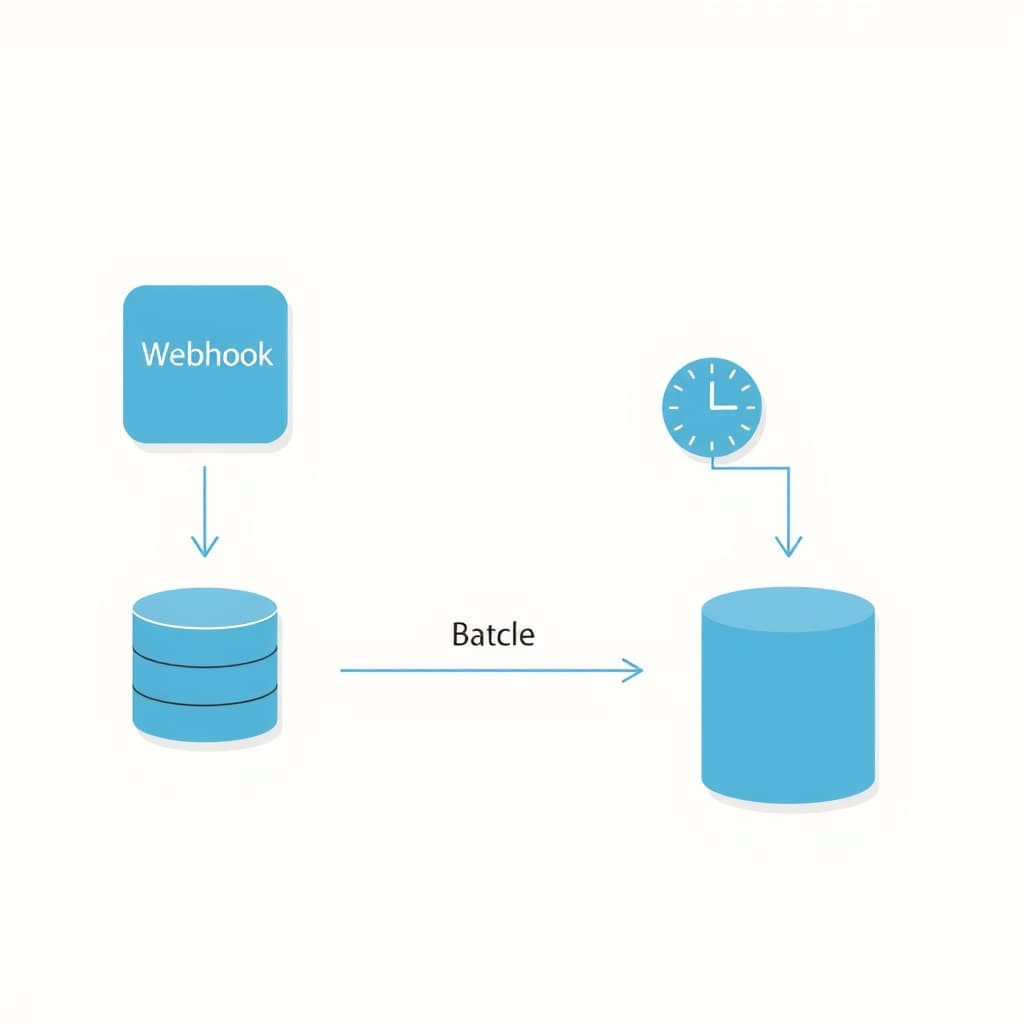
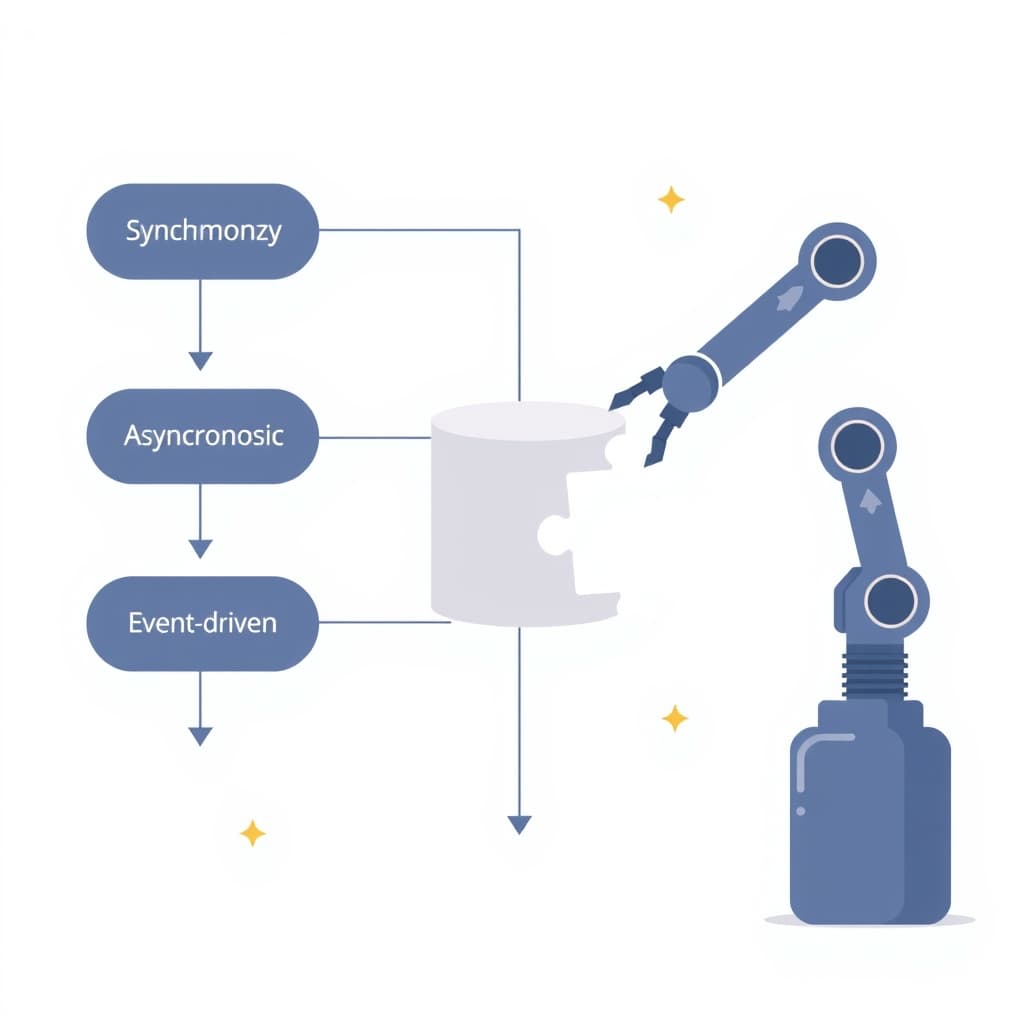
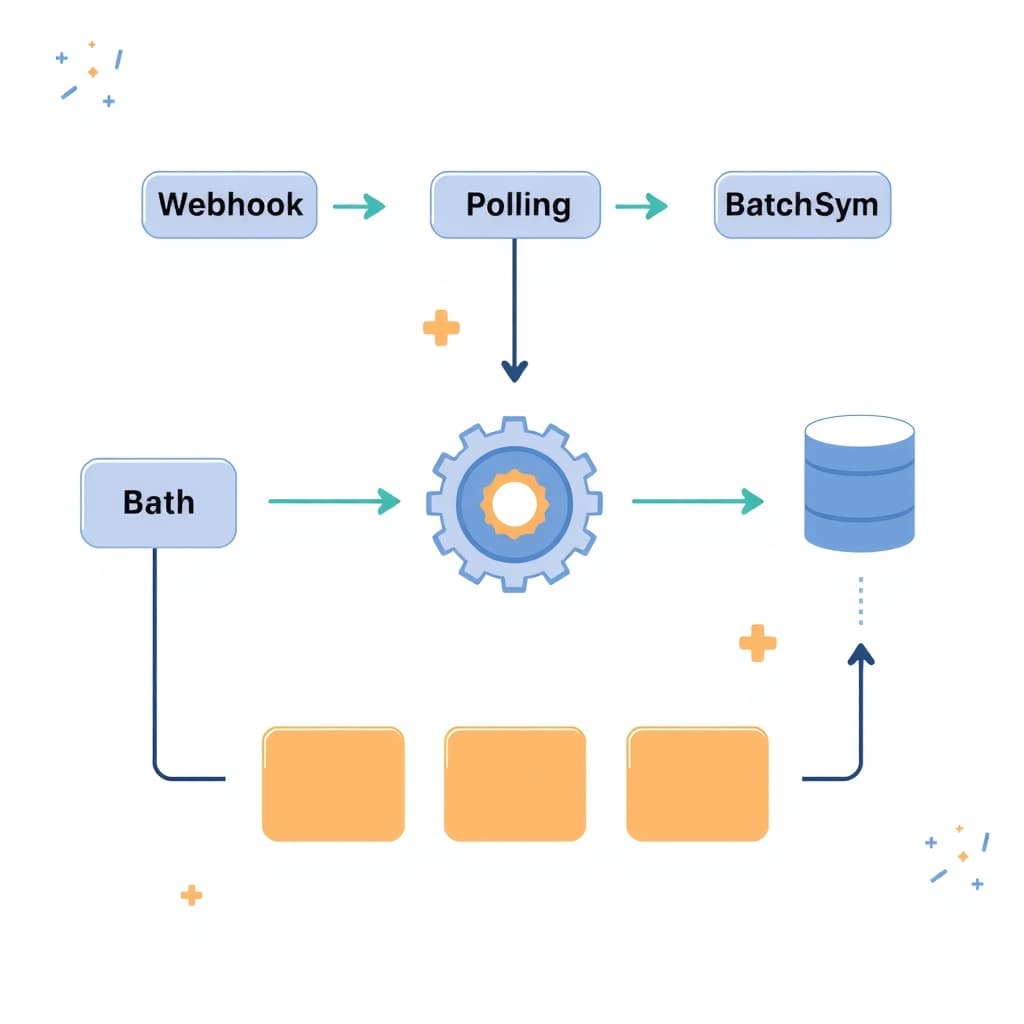
When it comes to API Integrations, there are several integration patterns to choose from, each with its own strengths and weaknesses. Some common patterns include request-response, event-driven, and message-oriented architectures. The choice of pattern depends on the specific requirements of the integration, including the data that will be exchanged, the protocols that will be used, and the security measures that will be implemented.
For example, a request-response pattern may be suitable for integrations that require immediate feedback, while an event-driven pattern may be more suitable for integrations that require asynchronous processing. By choosing the right integration pattern, businesses can ensure that their API Integrations are efficient, scalable, and meet the needs of their users.
Best Practices for Testing and Maintaining API Integrations
Once an API Integration is built, it is essential to test and maintain it regularly to ensure that it continues to function correctly. This includes testing the integration for errors, security vulnerabilities, and performance issues, as well as monitoring its behavior in production. By following best practices for testing and maintenance, businesses can ensure that their API Integrations are reliable, efficient, and meet the needs of their users.
For more information on optimizing the user experience, check out our article on Optimizing B2B Customer Portal UX For Growth. By applying these best practices, businesses can build API Integrations that are highly reliable and efficient, and provide a great user experience.
Conclusion: Scaling Your Business with Reliable API Integrations
In conclusion, building reliable API Integrations is critical for scaling your business efficiently. By understanding the challenges of API Integration, applying design principles, implementing idempotent API design, choosing the right integration patterns, and following best practices for testing and maintenance, businesses can create API Integrations that are reliable, efficient, and meet the needs of their users.
At SiteFusion, we specialize in building custom software solutions, including API Integrations, that help businesses scale and grow. Check out our portfolio to see some examples of our work, and learn more about our services. We also offer post-launch support to ensure that your API Integrations continue to function correctly over time.
Getting Started with API Integrations: Next Steps for Founders and Teams
If you are interested in learning more about API Integrations and how they can help your business, we invite you to book a call with SiteFusion to discuss your needs and goals. Our team of experts will work with you to design and build custom API Integrations that meet your specific requirements and help you achieve your business objectives. Don't let integration challenges hold you back – get started with API Integrations today and take your business to the next level.