Building an AI workflow automation roadmap is the single most effective way for growing B2B SaaS companies to turn fragmented manual processes into repeatable, scalable operations. Instead of sprinkling AI experiments across teams, a roadmap forces you to prioritize, measure, and iterate—delivering real productivity gains while keeping risk in check. In this guide we walk founders, ops leaders, and product managers through each phase, from mapping current touchpoints to governing enterprise‑wide rollouts.
Why a Structured AI Workflow Automation Roadmap Beats Ad‑Hoc AI Automation
Ad‑hoc AI projects often start with good intentions but quickly stall when they lack clear ownership, success metrics, or integration plans. A structured roadmap forces you to answer three critical questions up front: what business outcome are you chasing, which processes can actually benefit from AI, and how will you sustain the solution over time. This disciplined approach reduces duplicated effort, aligns cross‑functional stakeholders, and provides a transparent timeline that executives can fund. Moreover, a roadmap lets you layer quick wins—like automating data entry—with longer‑term strategic initiatives such as predictive routing, ensuring momentum never dries up. The result is a predictable cadence of value delivery rather than a series of isolated pilots that never scale.
Assessing Your Current Process Landscape: Mapping Manual Touchpoints
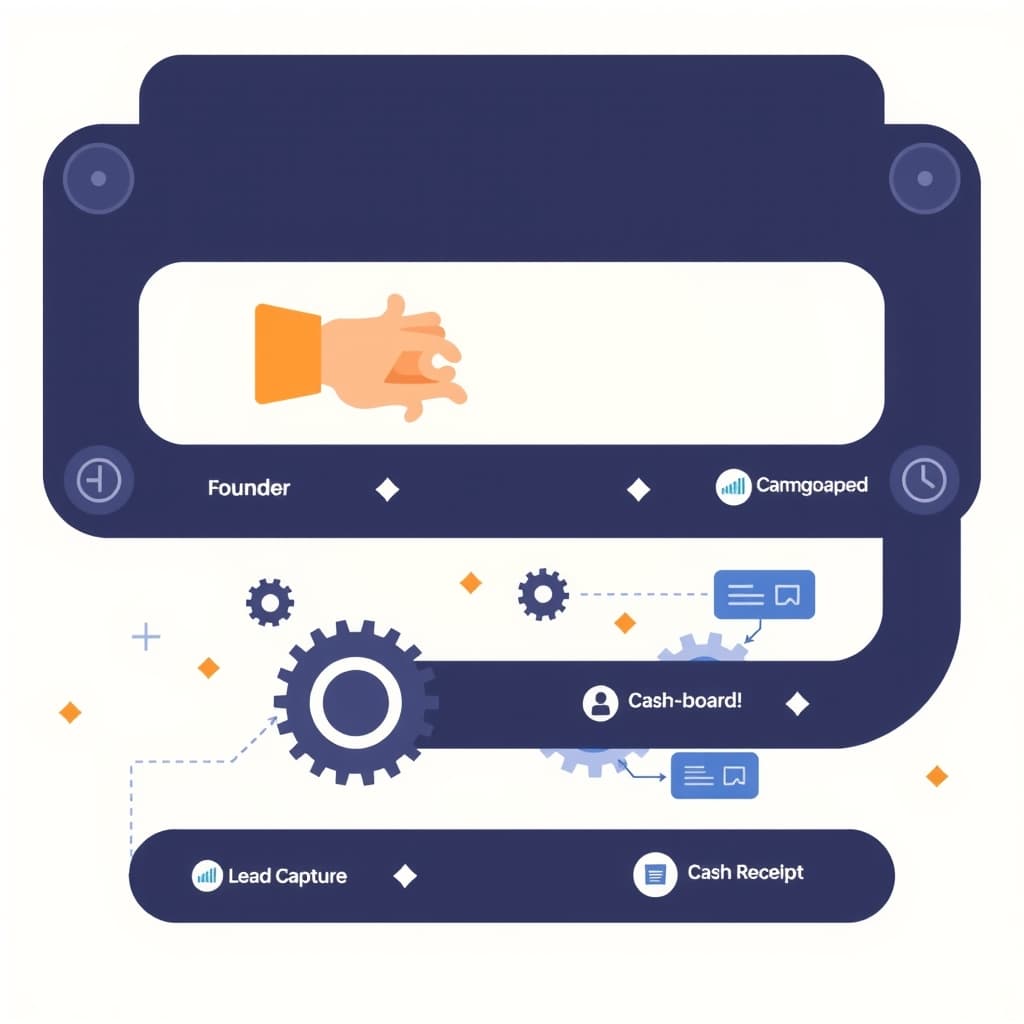
The first step of any AI workflow automation roadmap is a honest audit of how work actually gets done today. Gather representatives from product, support, finance, and engineering to document each end‑to‑end process, noting every manual handoff, decision point, and data source. Visual tools such as swim‑lane diagrams help surface hidden bottlenecks—like a support rep copying ticket details into a spreadsheet. Pay special attention to processes that involve repetitive rule‑based decisions or large volumes of unstructured data; these are prime AI candidates. Quantify effort in person‑hours and error rates where possible; even rough estimates give you a baseline for ROI calculations later. This mapping exercise also uncovers dependencies that will shape your integration strategy, ensuring you don’t automate a step that later proves impossible to connect to downstream systems.
Identifying High‑Impact Automation Candidates with AI
With a clear process map in hand, rank each manual touchpoint by impact (time saved, error reduction) and feasibility (data availability, model complexity). High‑impact, low‑effort items—such as auto‑classifying inbound emails or routing support tickets based on intent—should be tackled first. For more complex tasks like demand forecasting or anomaly detection, consider whether you have sufficient historical data to train reliable models; if not, a hybrid approach that blends rule‑based logic with AI can de‑risk the effort. Leverage internal expertise or external references like the What Is RAG? Retrieval‑Augmented Generation, Explained post to evaluate whether retrieval‑augmented techniques can boost accuracy for knowledge‑heavy workflows. By systematically scoring opportunities, you create a prioritized backlog that aligns with business goals and resource constraints.
Designing Human‑in‑the‑Loop Controls for Reliability and Trust
AI can accelerate operations, but without appropriate human oversight you risk amplifying errors. Design each automated step with clear escalation paths: a confidence threshold that triggers a manual review, audit logs that capture model decisions, and a feedback loop that lets operators correct mistakes in real time. These controls not only improve model performance over time but also build trust among teams who might otherwise resist automation. For regulatory‑heavy domains, embed compliance checks directly into the workflow rather than treating them as afterthoughts. Document the governance model—who owns the model, who can adjust thresholds, and how changes are communicated—so that accountability is baked into the process from day one.
Choosing the Right Tech Stack: Low‑Code, Custom Code, or Hybrid
The technology choice should match the complexity and longevity of the automation. Low‑code platforms excel for quick, UI‑driven bots that stitch together SaaS APIs, while custom code—typically built with Next.js/React on the front end and Node.js or Python on the back end—offers the flexibility needed for sophisticated ML pipelines. A hybrid approach lets you prototype in low‑code, validate ROI, and then migrate high‑value flows to a custom stack for performance and scalability. Evaluate integration needs against existing systems; for example, if you already have a robust API layer, a custom solution may reduce latency and licensing costs. Our service catalog includes expertise in both low‑code orchestration tools and full‑stack development, ensuring you pick the right mix without reinventing the wheel.
Pilot, Measure, and Iterate: KPI‑Driven Validation of AI Workflows
Every pilot should be framed around concrete KPIs—cycle‑time reduction, error rate decline, or cost per transaction. Define baseline metrics during the assessment phase, then run the AI‑enabled workflow in a controlled environment. Use A/B testing where feasible to isolate the impact of automation. Collect both quantitative data (e.g., minutes saved) and qualitative feedback (user confidence, perceived ease of use). If results fall short, iterate on model features, confidence thresholds, or UI cues before scaling. This disciplined loop mirrors the AI Feature Rollout Checklist and ensures that each expansion step is justified by measurable outcomes.
Scaling the Automation: Governance, Cost Management, and Ongoing Ops
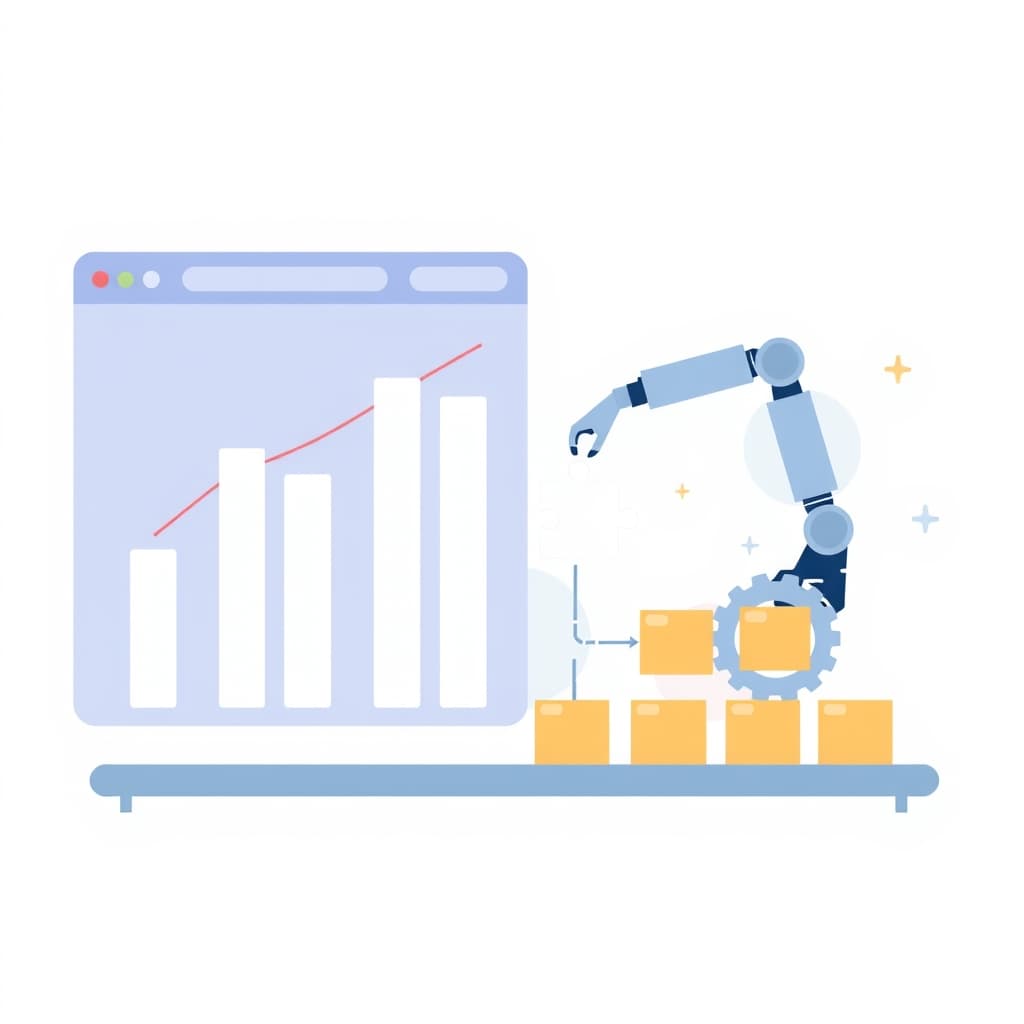
Once pilots prove their value, the focus shifts to enterprise‑wide rollout. Establish a governance board that reviews new automation requests, monitors model drift, and enforces cost controls—especially for cloud‑based inference services that can balloon unexpectedly. Implement automated monitoring dashboards that surface latency spikes, failure rates, and usage patterns, tying back to the ROI calculations from the pilot phase. Adopt a version‑control strategy for model artifacts, and schedule regular retraining cycles aligned with data refreshes. Finally, embed post‑launch support processes—bug triage, SLA adherence, and user training—into your ops playbook to keep the automation humming as the business grows.
Common Pitfalls and How to Avoid Them
- Skipping the data quality check. Poor training data yields unreliable models; invest in cleansing and labeling early.
- Over‑automating without human oversight. Trust erodes quickly if users cannot intervene; always embed a manual fallback.
- Choosing a one‑size‑fits‑all tech stack. Match the tool to the problem; low‑code for simple bots, custom code for complex pipelines.
- Neglecting change management. Communicate benefits, provide training, and celebrate quick wins to drive adoption.
- Underestimating ongoing costs. Model serving, monitoring, and retraining require budget; track them against the ROI model.
Next Steps: Building Your AI Workflow Automation Roadmap with a Trusted Partner
Ready to move from ad‑hoc experiments to a strategic AI workflow automation roadmap? Start by scheduling a discovery workshop where we map your current processes, surface high‑impact automation candidates, and outline a phased rollout plan. Our team brings deep expertise in full‑stack Next.js/React development, AI model integration, and post‑launch support, ensuring you get from prototype to production without costly rework. Explore our workflow automation guide for a broader overview, then book a call to discuss how SiteFusion can accelerate your automation journey.