Every growing B2B SaaS company eventually hits the point where data moves between internal services and third‑party platforms at scale. If those flows wobble, customers notice, revenue stalls, and engineering burns out. This API integration reliability checklist gives founders, product leaders, ops managers, and PMs a concrete, step‑by‑step playbook to turn fragile point‑to‑point connections into a resilient integration layer you can trust.
Why API Reliability Matters for Scaling SaaS
When you’re scaling, the volume of API calls can increase tenfold overnight. An occasional timeout that was harmless on a sandbox becomes a systemic outage that blocks order processing, billing, or data sync. Reliability isn’t just a nice‑to‑have; it’s a competitive moat. Consistent data flows keep churn low, support tickets manageable, and enable rapid feature rollout without re‑architecting the integration stack each time. Moreover, investors and auditors look for measurable uptime and error‑rate metrics when evaluating growth‑stage SaaS businesses. By treating API reliability as a product feature—complete with SLAs, monitoring, and automated remediation—you protect revenue, preserve brand trust, and free engineering capacity to focus on differentiation rather than firefighting.
Step 1: Define Clear Service‑Level Expectations
The first line of any API integration reliability checklist is a documented Service Level Agreement (SLA) for every external dependency. Identify the critical success metrics: latency, error rate, and availability. Capture these in a shared contract that includes acceptable thresholds, escalation paths, and compensation clauses where applicable. Align the SLA with your own product’s uptime goals—if your SaaS promises 99.9 % availability, downstream services should meet at least the same standard, if not higher. Communicate the SLA to both internal stakeholders and third‑party vendors, and store it in a version‑controlled repository so changes are auditable. When expectations are explicit, you can automate compliance checks and quickly surface breaches before they impact customers.
Step 2: Choose the Right Communication Pattern (Webhooks, Polling, or Batch)
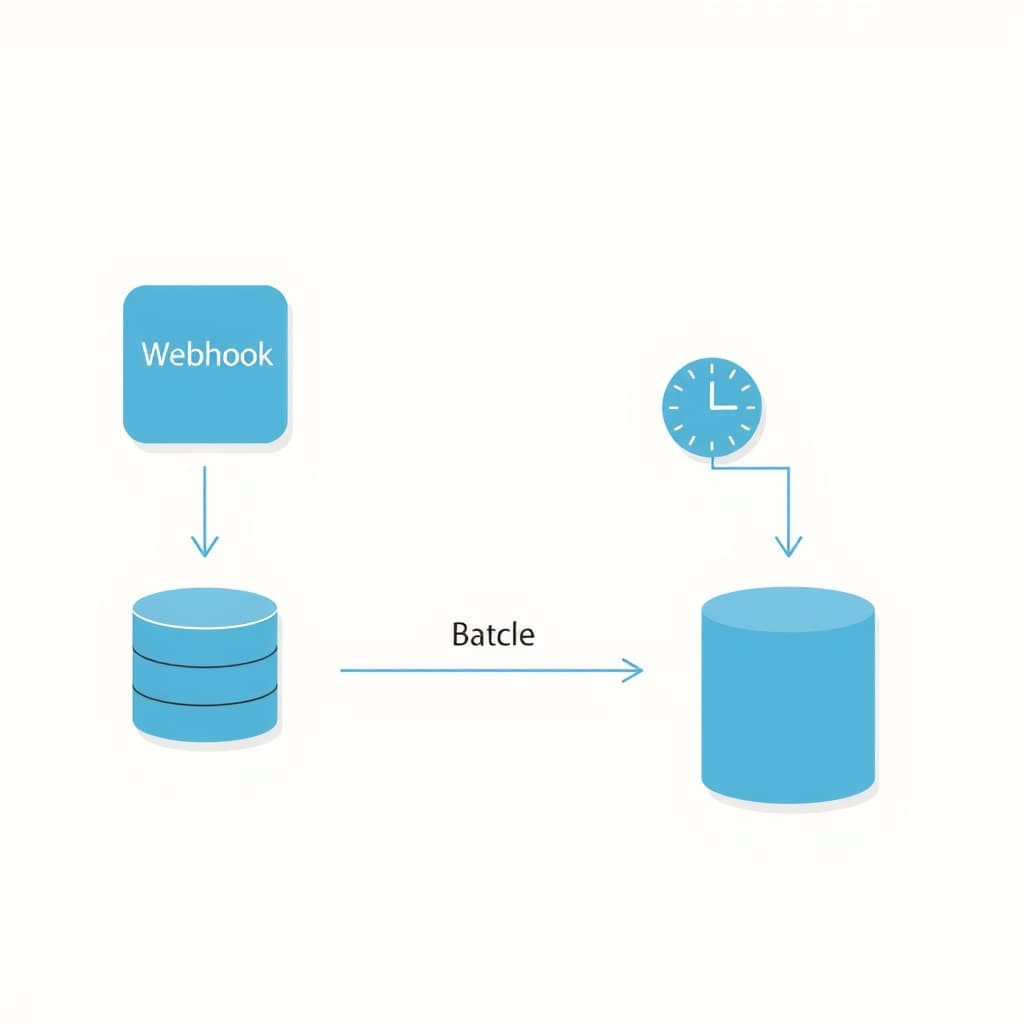
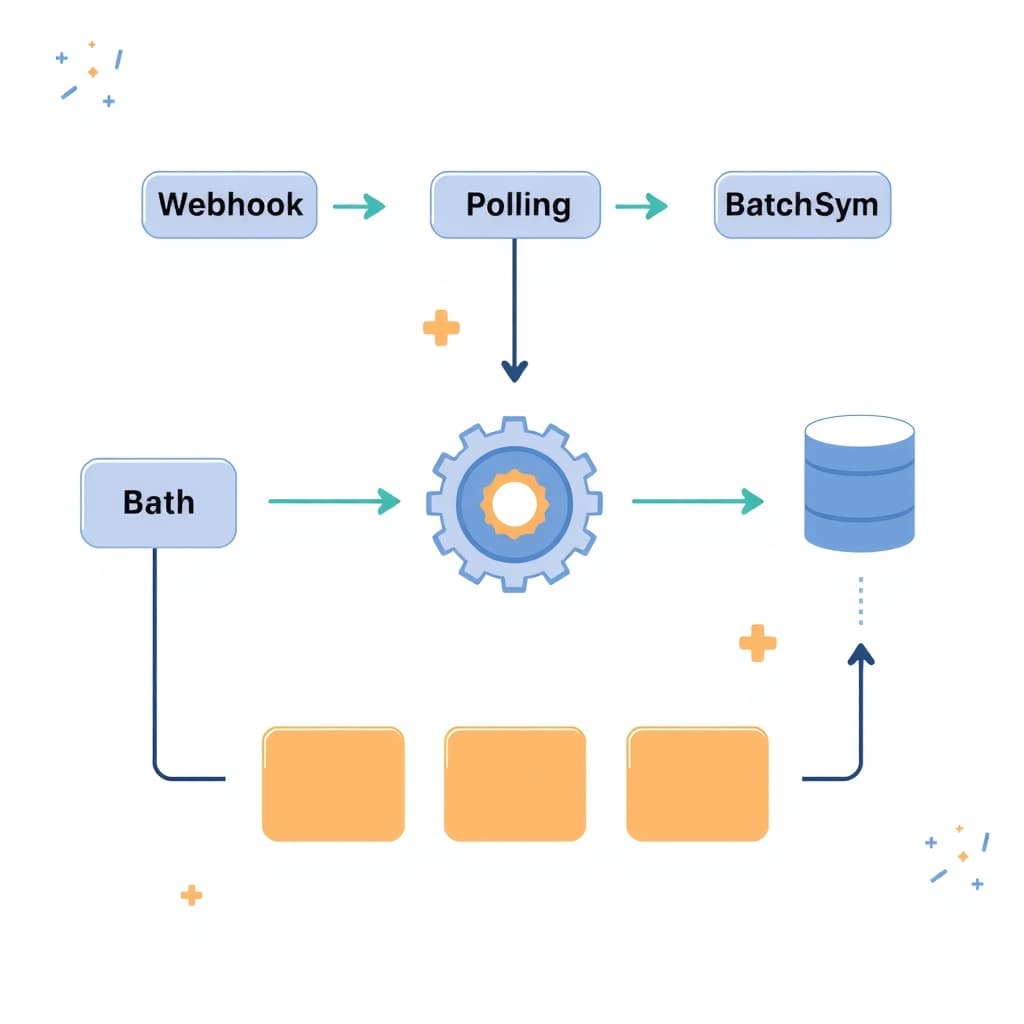
Not every integration benefits from the same data‑exchange model. Webhooks push events in real time, ideal for low‑latency notifications like payment confirmations. Polling is simpler to implement but can generate unnecessary traffic and latency spikes if the interval is too short. Batch jobs excel when you need to reconcile large data sets nightly or weekly. Evaluate each use case against consistency requirements, rate‑limit policies, and operational overhead. For example, a billing system might use webhooks for immediate invoice creation but rely on a nightly batch to reconcile missed payments. Selecting the appropriate pattern up front reduces retry storms, simplifies error handling, and aligns with the overall reliability goals of your integration layer.
Step 3: Implement Idempotent Endpoints and Retries
Idempotency is the cornerstone of reliable retries. Design every inbound endpoint to produce the same result when called multiple times with the same payload—use unique request IDs or hash the payload to detect duplicates. On the client side, adopt exponential backoff with jitter for transient failures, and cap the maximum retry attempts to avoid endless loops. Pair idempotent design with clear error codes: 4xx for client errors (no retry) and 5xx for server errors (retry). Document these conventions in your API spec so downstream teams know when it’s safe to retry automatically. By guaranteeing that repeated calls don’t corrupt state, you eliminate a major source of data inconsistency during outage recovery.
Step 4: Build a Centralized Error‑Handling and Alerting Hub
Scattered log files and ad‑hoc alerts make it impossible to see the health of your integration ecosystem at a glance. Consolidate error handling into a single observability platform that aggregates logs, traces, and metrics from all API clients and servers. Define alert thresholds for error‑rate spikes, latency degradation, and SLA breaches. Route alerts to the appropriate on‑call rotation via Slack, PagerDuty, or email. Include contextual metadata—such as the failing endpoint, request ID, and payload size—to accelerate triage. A centralized hub also enables you to run post‑mortem analyses that surface systemic patterns, turning individual incidents into actionable improvements across the entire stack.
Step 5: Use Versioning and Contract Testing to Prevent Breakage
Every external API evolves, and unchecked changes can break downstream consumers. Adopt semantic versioning for all internal APIs and require that third‑party providers expose versioned endpoints. Pair versioning with contract testing tools (e.g., Pact or OpenAPI validators) that verify request/response shapes against a shared contract before code is merged. Run these tests in CI/CD pipelines so breaking changes are caught early, not in production. When a provider announces a new version, schedule a deprecation window, update your contract tests, and migrate gradually. This disciplined approach keeps your integration layer stable even as the ecosystem around it changes.
Step 6: Design Graceful Degradation for Third‑Party Outages
Even the most reliable APIs can go down. Your system should continue to deliver core value when a peripheral service fails. Implement fallback strategies such as cached responses, read‑only modes, or alternative data sources. For example, if a third‑party enrichment service is unavailable, serve the last known good data and surface a non‑intrusive banner informing users of reduced functionality. Design UI components to handle missing data gracefully, and ensure background jobs can pause and resume without data loss. Graceful degradation protects the user experience, reduces panic‑level alerts, and buys you time to negotiate with the provider or switch to a backup.
Step 7: Monitor Data Consistency with Reconciliation Jobs
Latency and partial failures can leave your systems out of sync. Schedule periodic reconciliation jobs that compare source and destination data sets, flagging mismatches for automated correction or manual review. Use checksum or hash comparisons for large tables, and store reconciliation results in an audit log. When discrepancies exceed a defined threshold, trigger alerts and, if possible, initiate self‑healing scripts that replay failed transactions. This proactive consistency check acts as a safety net, catching silent failures that traditional uptime monitoring would miss. Over time, reconciliation metrics become a leading indicator of integration health.
Conclusion & Next Steps: How SiteFusion Can Harden Your Integration Layer
Reliability is a habit, not a one‑off checklist. By embedding the eight steps above into your product development lifecycle, you turn fragile point‑to‑point calls into a robust, observable, and self‑healing integration fabric. SiteFusion specializes in building and maintaining exactly this kind of resilient stack for growing SaaS businesses. Our post‑launch support team monitors your APIs 24/7, runs contract tests on every release, and designs graceful‑degradation pathways tailored to your product. Ready to put the API integration reliability checklist into action? Book a call with us today and let’s make your data flows bullet‑proof.