When you’re stitching together SaaS tools, the API integration reliability pattern you choose can be the difference between a seamless workflow and a constant firefight. A flaky connection doesn’t just annoy users—it erodes trust, inflates support costs, and can stall revenue‑critical processes. In growth‑stage companies, where every data point drives decisions, reliability isn’t a nice‑to‑have; it’s a core product requirement. This post walks you through the patterns, safeguards, and operational practices that turn fragile point‑to‑point glue into a resilient data backbone.
Why Reliability Matters: The Hidden Cost of Flaky Integrations
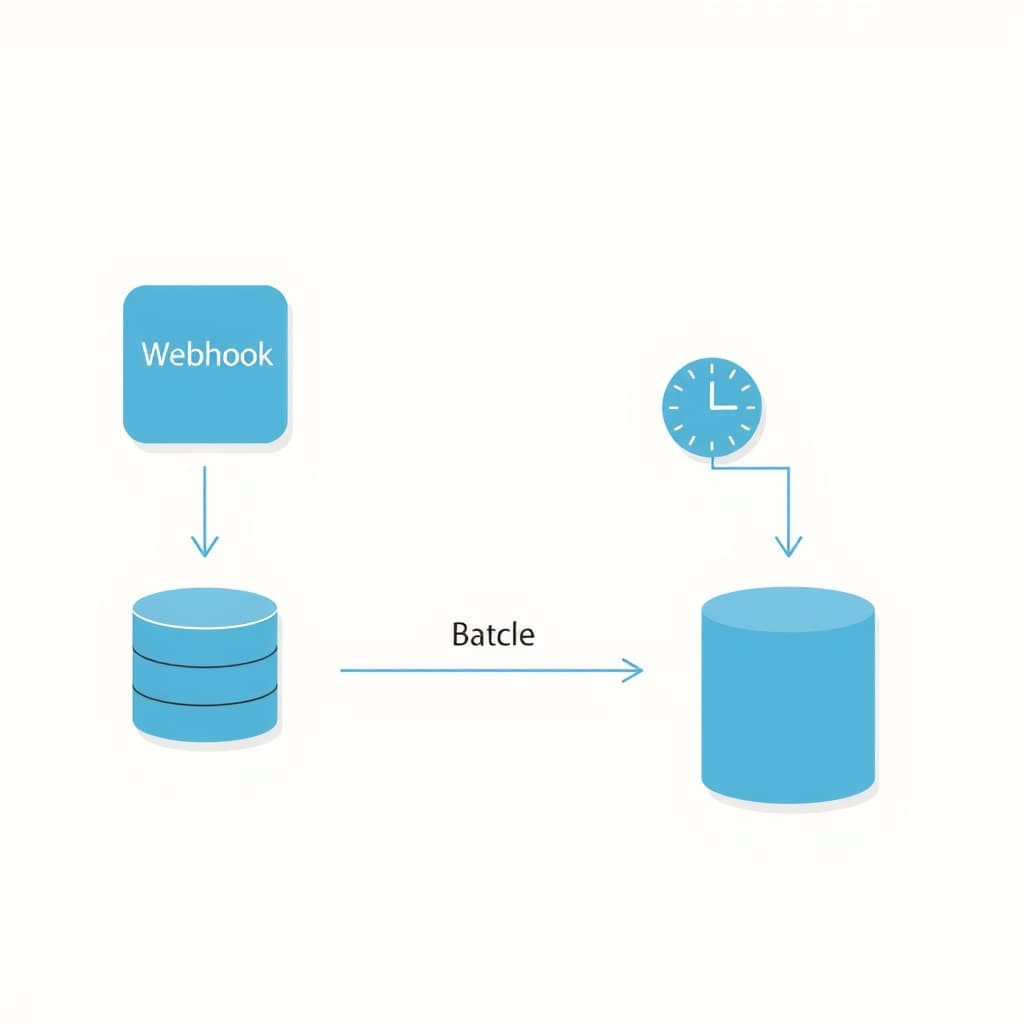
Every failed API call ripples through your product. A missed payment webhook can delay invoicing, a broken CRM sync can duplicate leads, and a stalled provisioning request can leave a customer staring at an empty dashboard. Those visible glitches are just the tip of the iceberg; behind the scenes you’re paying for manual triage, higher churn risk, and lost insight from incomplete data. Moreover, unreliable integrations amplify technical debt: teams spend disproportionate time writing ad‑hoc error handling instead of building new features. The financial impact is hard to quantify precisely, but seasoned ops leaders know that each minute of downtime translates into lost productivity and, ultimately, revenue. By treating integration reliability as a product feature—complete with SLAs, monitoring, and repeatable patterns—you protect both your customers and your bottom line.
Core Reliability Patterns: Synchronous, Asynchronous, and Event‑Driven
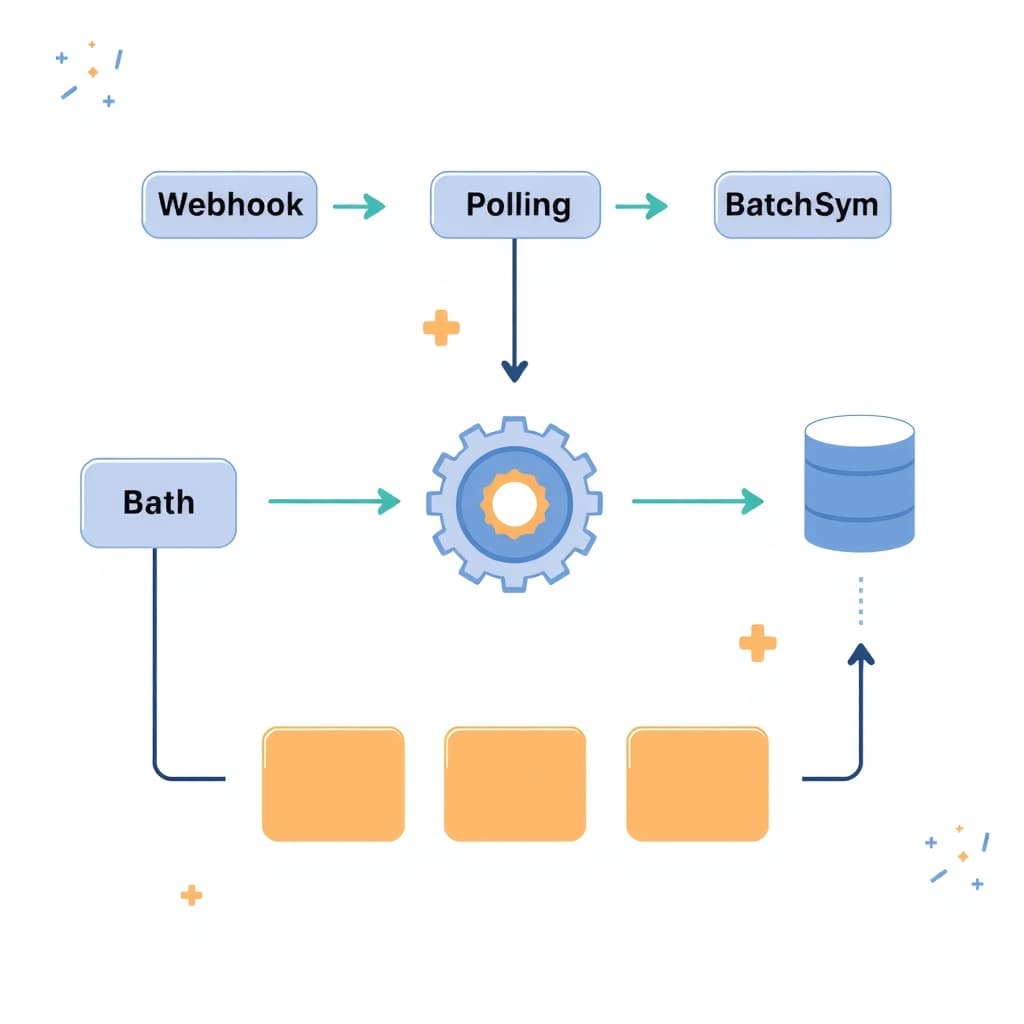
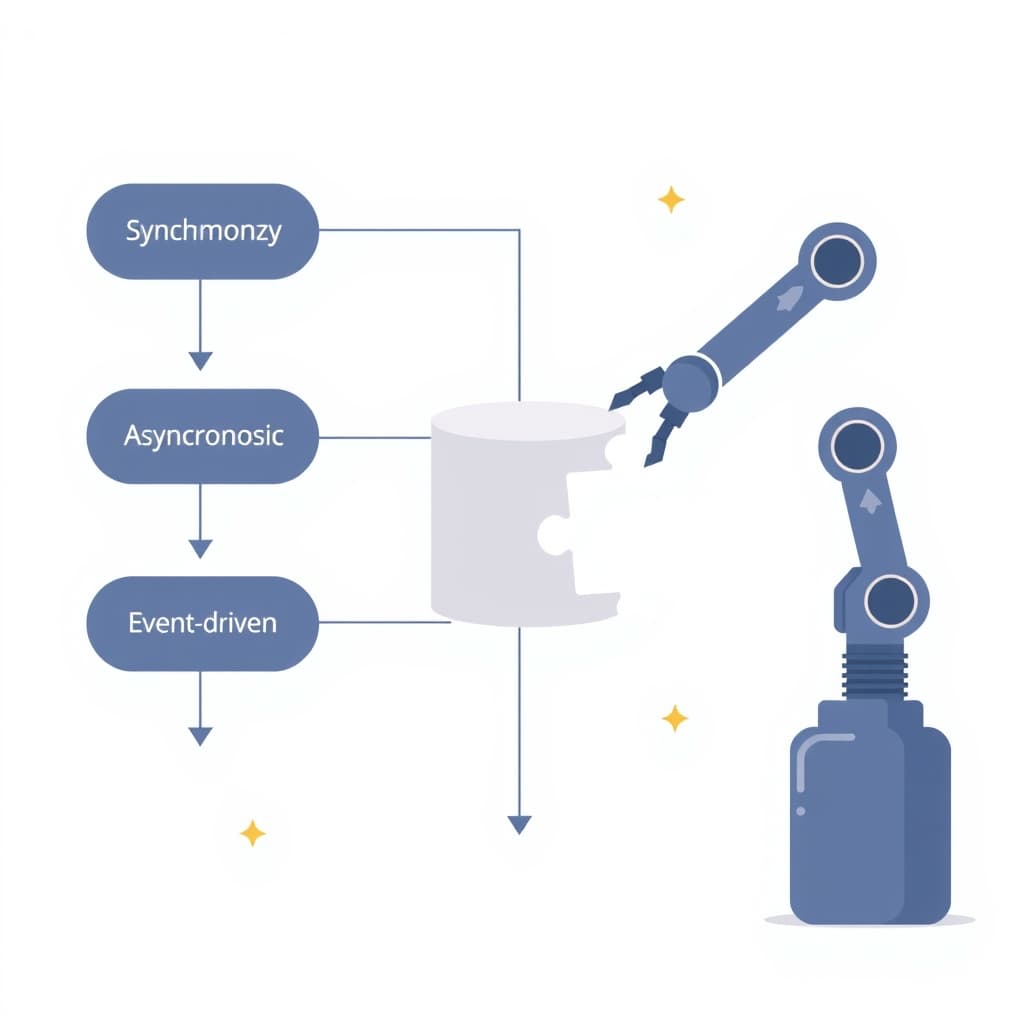
The first decision is how you orchestrate calls. Synchronous patterns are simple: your application waits for the external API to respond before moving forward. This works for low‑latency, high‑confidence services like authentication, but it ties your user experience to the third‑party’s uptime. Asynchronous patterns decouple the request and response using queues or background workers, allowing your front‑end to respond instantly while the work completes downstream. This is ideal for tasks like bulk data imports or report generation. Event‑driven architectures go a step further: services emit events (e.g., “order.created”) that any interested consumer can react to, often via a message broker. This model scales gracefully and supports complex workflows, but it demands robust schema governance and idempotent consumers. Understanding the trade‑offs of each pattern helps you match the integration to the business need, laying the groundwork for a reliable system.
Idempotency: Guarding Against Duplicate Actions
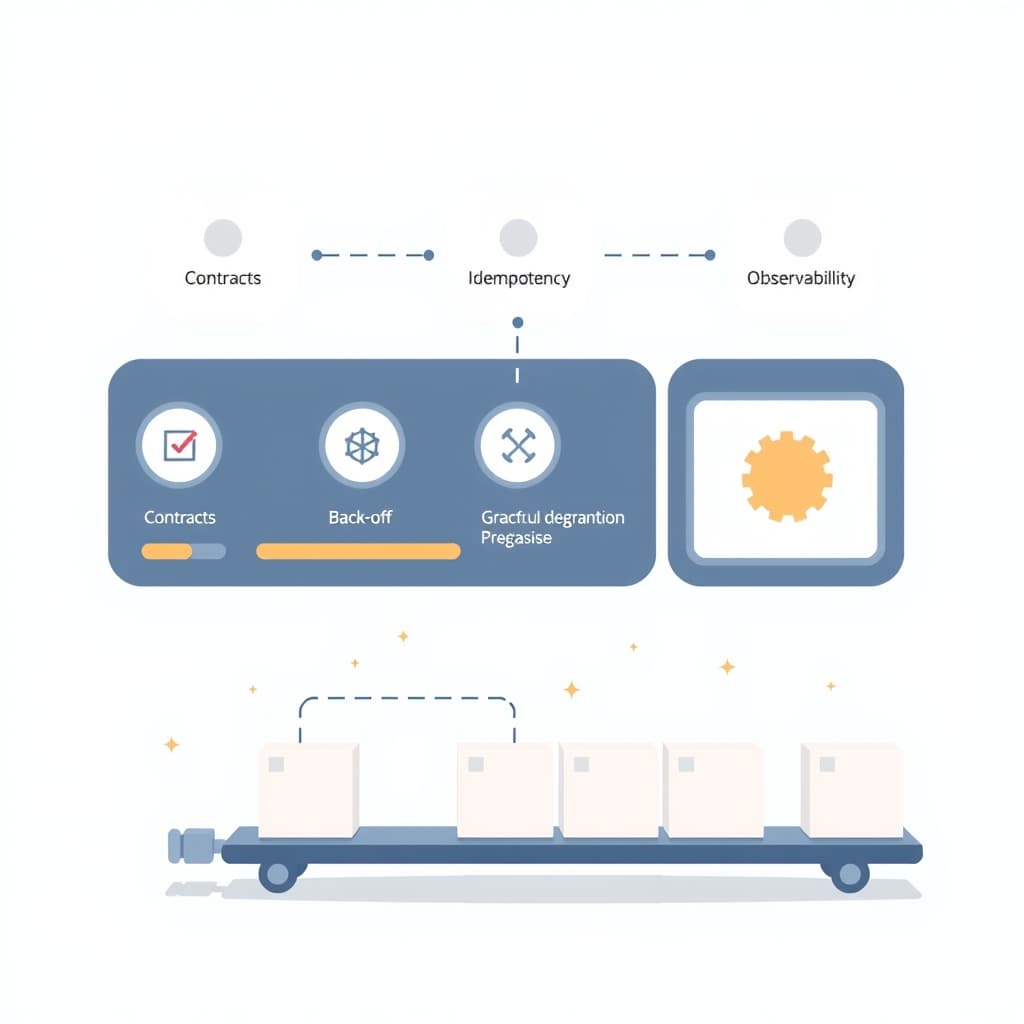
Idempotency ensures that repeating the same request yields the same result without side effects—a crucial safeguard when retries are inevitable. Implement it at the API contract level: expose a client‑generated idempotency key that the server stores alongside the operation outcome. When the same key arrives again, the server returns the original response instead of re‑executing the action. For inbound webhooks, verify a unique event identifier and discard duplicates. In database writes, use upserts or unique constraints to prevent double inserts. Idempotent design not only protects against accidental double charges or duplicate records but also simplifies retry logic, because you can safely resend a request without fearing data corruption. Embedding idempotency into your integration contracts turns a potentially chaotic failure mode into a predictable, recoverable step.
Circuit Breakers & Retries: Surviving Third‑Party Outages
Third‑party services will experience latency spikes or outright outages; your integration must degrade gracefully. A circuit breaker monitors error rates and, once a threshold is crossed, opens the circuit to stop further calls, returning a fast‑fail response instead. After a cooldown period, it attempts a “half‑open” probe; if the service recovers, traffic resumes. Pair this with exponential backoff retries: each retry waits longer than the previous, reducing load on a struggling endpoint. Combine with a fallback strategy—such as queuing the request for later processing or serving stale data—to maintain user experience. These patterns prevent cascading failures, protect your own resources, and give downstream services time to recover without overwhelming them.
Choosing the Right Pattern for Different Business Scenarios
There is no one‑size‑fits‑all solution. For real‑time user authentication, a synchronous call with a short timeout and circuit breaker is appropriate because latency directly impacts the UI. For bulk data syncs between a CRM and your platform, an asynchronous queue with idempotent workers handles spikes and retries without blocking the user. Event‑driven patterns shine in complex order‑to‑fulfillment pipelines, where multiple micro‑services react to a single “order.created” event and need to stay loosely coupled. Consider the business impact of failure: if a delayed webhook merely postpones a report, asynchronous processing is fine; if a missed payment blocks revenue, you need tighter guarantees and perhaps a synchronous fallback. Mapping each integration to its risk profile and latency tolerance guides you to the optimal API integration reliability pattern for the use case.
Implementing a Central Integration Layer vs. Point‑to‑Point Glue
A central integration layer—often a dedicated service or API gateway—consolidates authentication, logging, retries, and monitoring for all external calls. This reduces duplication, enforces consistent patterns, and provides a single place to apply security policies. Point‑to‑point glue, by contrast, embeds integration logic directly in each consumer service, which can be quicker to prototype but quickly becomes a maintenance nightmare as the number of connections grows. For scaling SaaS products, the central layer pays off: you can roll out a new circuit‑breaker policy once, and every integration benefits. It also simplifies observability, as all traffic funnels through a common set of metrics. If you’re early‑stage, a lightweight glue approach may suffice, but plan to migrate to a central layer before the integration count exceeds a handful. Our post‑launch support team can help you design and transition to a robust integration hub.
Monitoring, Alerting, and Observability for Integration Health
Visibility is the last line of defense. Instrument every outbound request with latency, status code, and error type tags. Aggregate these metrics in a dashboard that shows success rates per third‑party, error spikes, and retry counts. Set alerts on thresholds that matter to the business—e.g., >5% failure rate on payment gateway calls or latency >2 seconds on authentication. Correlate logs with trace IDs to follow a request across services, which is essential for debugging complex event‑driven flows. Use health‑check endpoints for internal integration services and expose them to your incident‑response platform. By treating integration metrics with the same rigor as core product KPIs, you catch degradation before it impacts users.
Testing Strategies to Validate Reliability Before Go‑Live
Automated tests must cover more than happy‑path scenarios. Include contract tests that verify request/response schemas against a mock of the third‑party API. Use chaos engineering tools to inject latency, timeouts, and error responses, confirming that circuit breakers and retries behave as expected. End‑to‑end integration tests should run against a sandbox environment with realistic data volumes, exercising idempotency keys and duplicate event handling. Load testing the queue or message broker validates that asynchronous pipelines can sustain peak traffic. Finally, incorporate these tests into your CI pipeline so that any change to the integration layer triggers a full reliability regression suite. This disciplined approach reduces the risk of surprise failures after launch.
Conclusion & Next Steps: Building a Roadmap for Resilient API Connections
Choosing the right API integration reliability pattern is a strategic decision that protects revenue, reduces support overhead, and scales with your product vision. Start by classifying each integration’s latency tolerance and failure impact, then apply the appropriate pattern—synchronous with circuit breakers for critical real‑time calls, asynchronous queues for bulk work, and event‑driven streams for complex workflows. Harden each with idempotency, retries, and observability, and consider a central integration layer to enforce consistency. As you iterate, embed testing and monitoring into your development lifecycle. Ready to turn these principles into a concrete plan? Book a call with SiteFusion and let our experts help you design a resilient integration architecture that grows with your business.