When you’re stitching together SaaS tools, the API integration reliability pattern you choose can be the difference between a seamless data flow and a constant firefighting cycle. Growth‑stage founders and product leaders often underestimate the hidden cost of flaky integrations—lost revenue, frustrated users, and a team that spends more time patching than building. By treating integration reliability as a core product capability, you protect your customer experience and free engineering bandwidth for innovation.
Why Reliability Matters: The hidden cost of flaky integrations
Every failed webhook, missed poll, or delayed batch sync ripples through your business. A single missed order update can translate into inventory mismatches, delayed shipments, and angry customers, while a silent sync error may cause compliance gaps that trigger audits. The financial impact is rarely captured in a line item; instead, it shows up as higher churn, longer support tickets, and slower time‑to‑value for new features. Moreover, unreliable integrations erode trust in your platform, making future partnership negotiations tougher. By quantifying these indirect costs—support hours, lost conversions, and brand damage—you can justify investing in a robust API integration reliability pattern early, rather than retrofitting fixes after the problem becomes visible.
Understanding the three core patterns: Webhooks, Polling, and Batch Sync
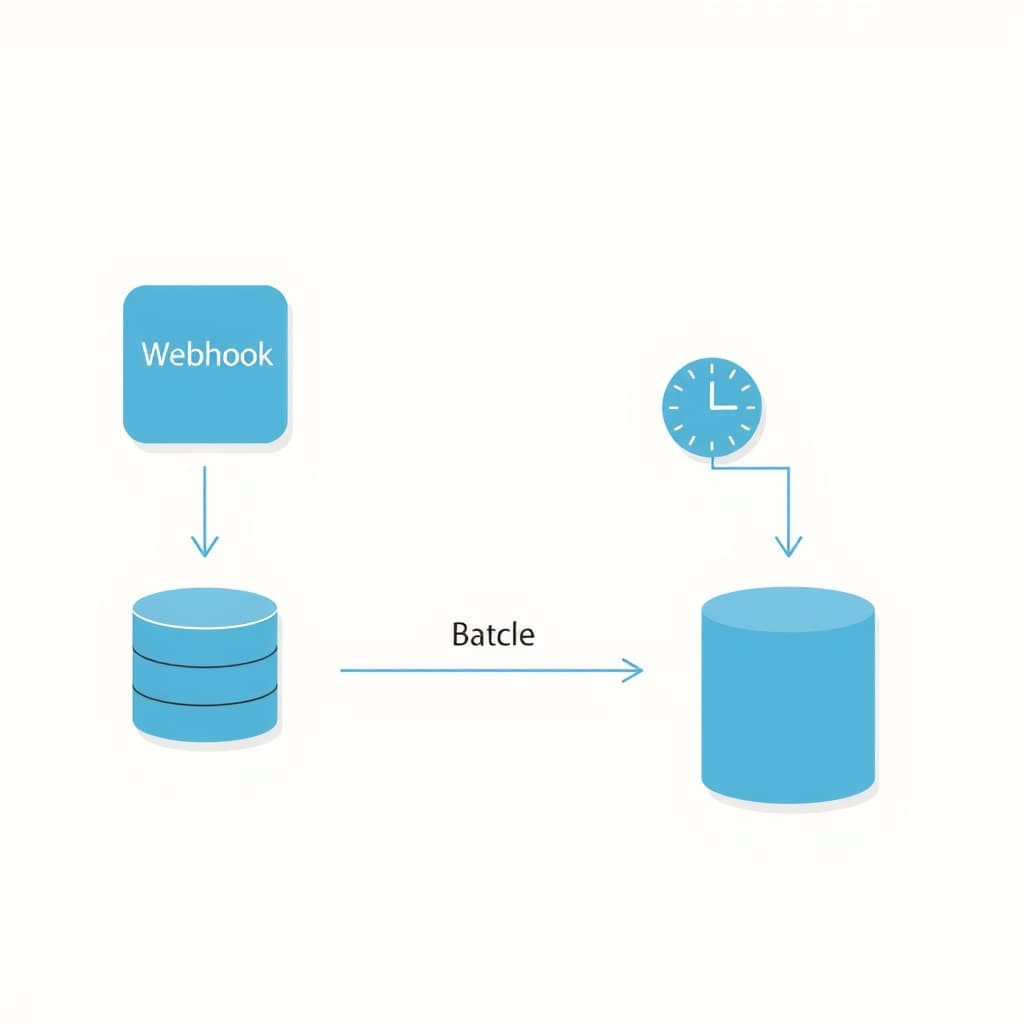
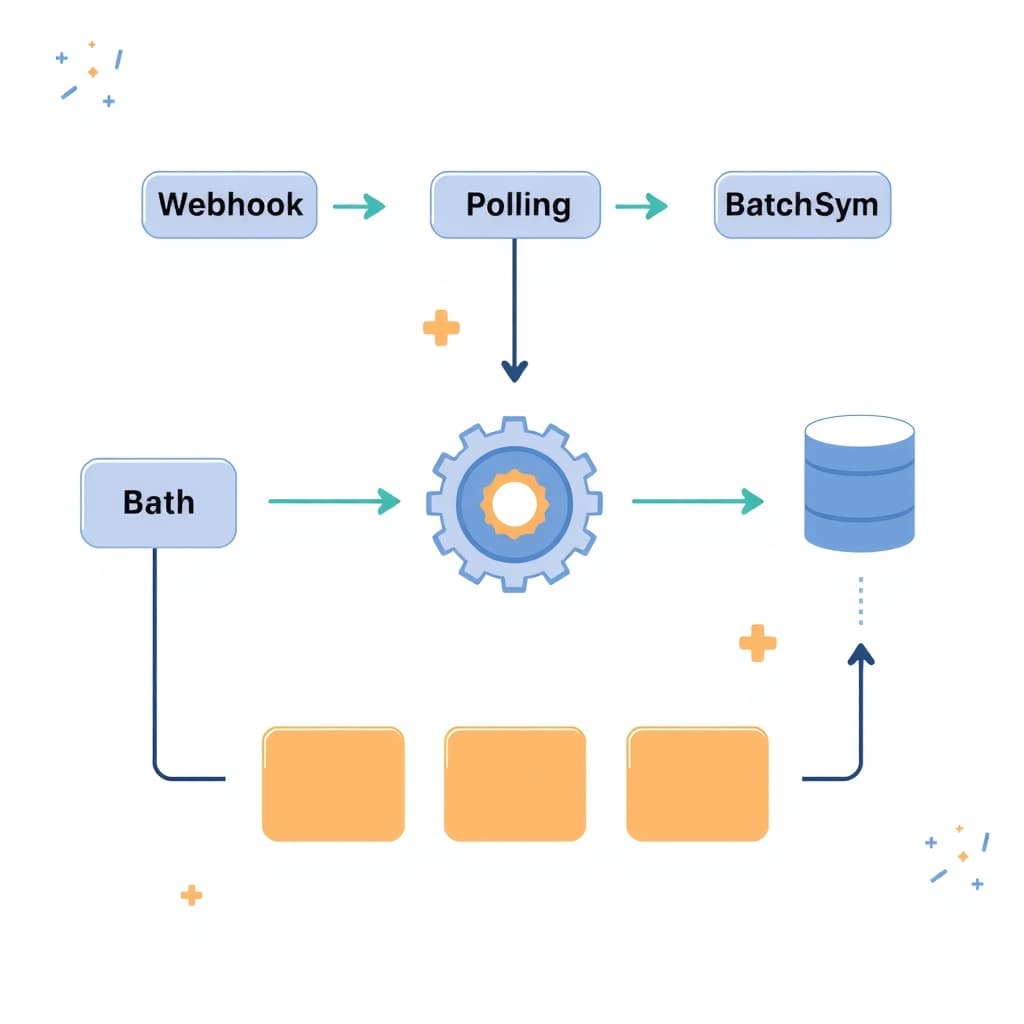
Each integration pattern solves a different set of constraints. Webhooks push data in real time, reducing latency but requiring the receiver to expose a public endpoint and handle retries. Polling pulls data on a schedule; it’s simple to implement behind firewalls but adds latency and can generate unnecessary load if the interval is too short. Batch sync aggregates changes and transfers them in bulk, ideal for high‑volume, less‑time‑critical workloads, yet it introduces a predictable delay and demands careful state management. Understanding the trade‑offs—latency, complexity, and operational overhead—helps you map each pattern to the specific data flows in your stack, whether it’s a customer‑portal update, an internal approval workflow, or a field‑service scheduling sync.
Evaluating idempotency: Making each pattern safe for retries
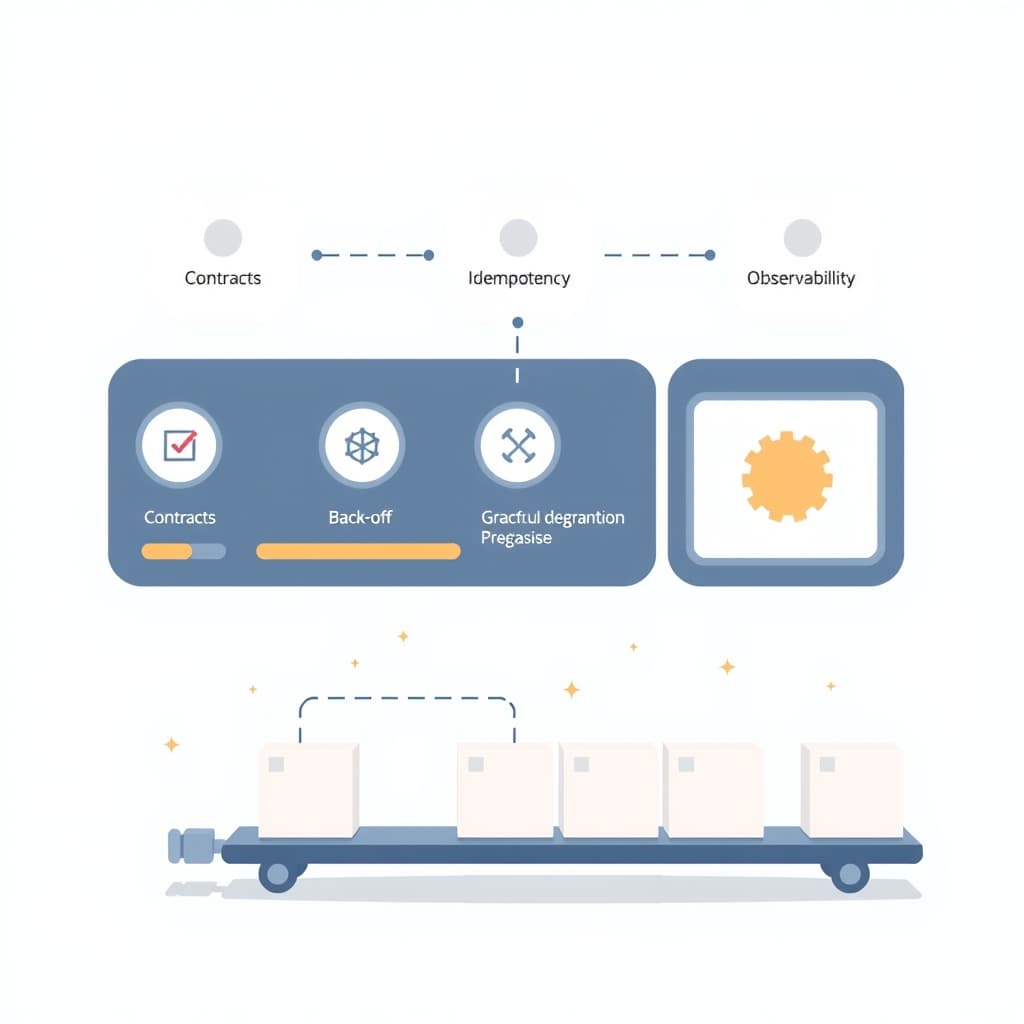
Idempotency is the safety net that lets you retry without side effects. For webhooks, include a unique event ID and design the consumer to ignore duplicates. Polling naturally re‑fetches the same state, so your endpoint should return the current snapshot rather than incremental deltas unless you implement a cursor. Batch sync jobs must record a batch identifier and track processed records, allowing you to resume from the last successful checkpoint. Implementing idempotent endpoints often means adding a simple upsert operation or a “last‑modified” timestamp check. The extra effort pays off when network glitches or third‑party throttling force a retry; the system recovers gracefully, and you avoid duplicate records that could corrupt downstream analytics or billing.
Handling third‑party outages: Circuit breakers and fallback strategies
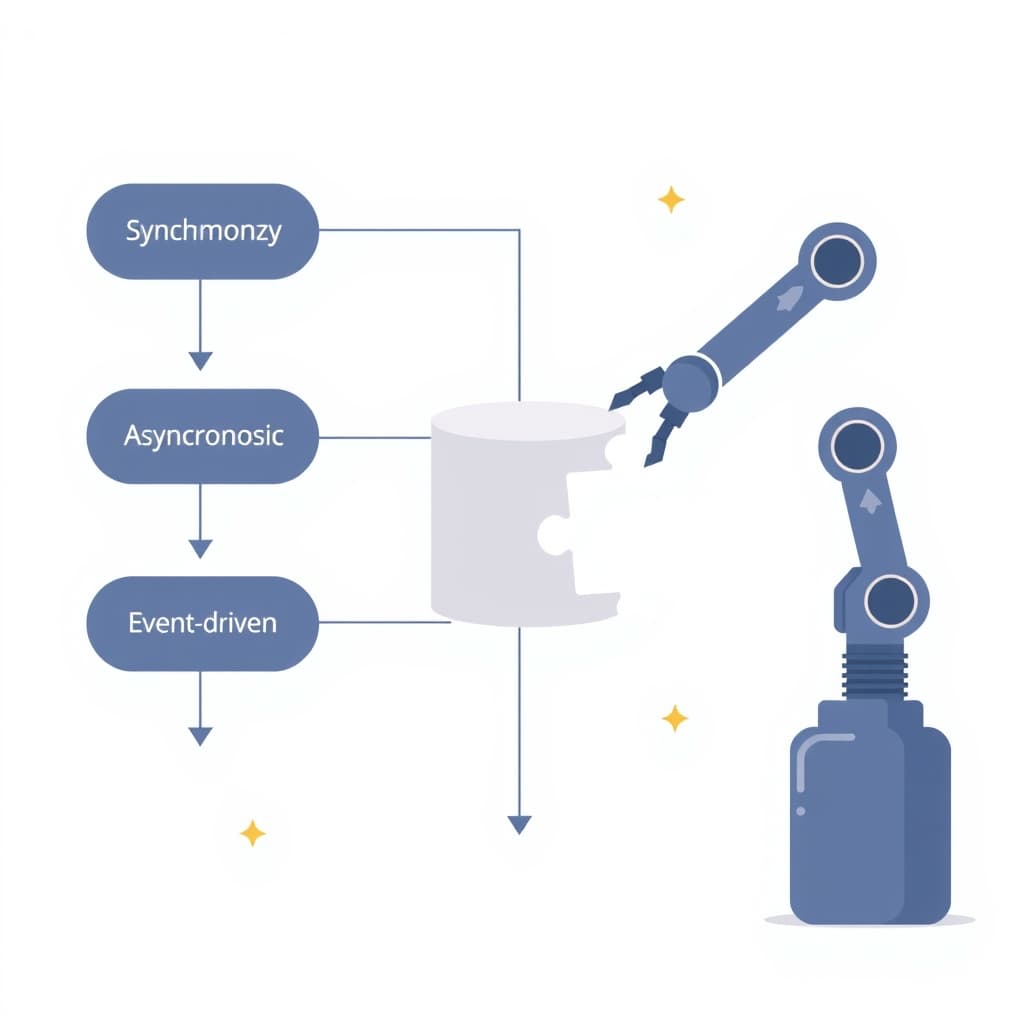
External SaaS providers will experience downtime; your integration should degrade gracefully. A circuit breaker monitors error rates and, once a threshold is crossed, opens the circuit to stop further calls, preventing cascading failures. While the breaker is open, you can route requests to a cached response, a stale‑but‑acceptable dataset, or a manual escalation queue. Fallback strategies differ by pattern: for webhooks, store events in a durable queue and replay when the endpoint recovers; for polling, back off exponentially and increase the interval; for batch sync, schedule a catch‑up run once the service is back online. Combining circuit breakers with exponential back‑off and alerting ensures that outages are visible to ops teams without overwhelming them with noise.
Choosing the right pattern for your data latency and volume needs
Start by classifying each data flow along two axes: latency tolerance (real‑time vs. near‑real‑time vs. batch) and volume (low, medium, high). Real‑time, low‑volume events—like a payment confirmation—fit webhooks with strict idempotency. Medium‑volume, near‑real‑time updates—such as inventory level changes—often benefit from short‑interval polling, balancing firewall constraints with timely data. High‑volume, low‑urgency datasets—like nightly analytics exports—are best served by batch sync, which can leverage bulk APIs and reduce API‑call costs. Document these decisions in a matrix, and revisit them as your product scales; a pattern that works at 10 k events/day may need to shift to batch sync once you cross 1 M events/day.
Implementing a unified internal API layer to replace point‑to‑point glue
Rather than building a separate connector for every SaaS pair, create an internal façade that normalizes external APIs behind a consistent contract. This layer handles authentication, retries, idempotency, and logging in one place, letting downstream services call a simple /integrations/* endpoint. It also makes it easier to swap providers or add new integrations without touching core business logic. Think of it as the “integration hub” that sits between your product and the outside world, similar to the approach described in our How to Design a Secure B2B Partner Portal for Scaling Ops post. By centralizing error handling and metrics, you reduce duplication, improve observability, and create a reusable asset for future projects.
Monitoring and alerting: Building a reliability dashboard for integrations
A reliable integration strategy is invisible without proper monitoring. Track key metrics per pattern: webhook delivery success rate, poll latency and error count, batch job duration, and retry volume. Visualize these on a single dashboard that highlights anomalies—spikes in webhook failures or prolonged batch runtimes—and ties them to alerting channels like Slack or PagerDuty. Include health checks that ping external endpoints on a schedule, and surface circuit‑breaker states. The dashboard should also expose idempotency violation counts, helping you spot logic bugs early. By treating integration health as a first‑class product metric, you give ops managers the data they need to act before a small glitch becomes a customer‑visible outage.
Conclusion & Next Steps: Blueprint for a resilient integration architecture
Choosing the right API integration reliability pattern starts with understanding latency, volume, and failure modes, then layering idempotency, circuit breakers, and a unified internal API hub on top. Once you have that foundation, a monitoring dashboard turns raw metrics into actionable insight. The payoff is a data pipeline that scales with your business, reduces firefighting, and keeps your customers trusting the flow of information.
Ready to audit your current integration stack and design a resilient architecture? Book a call with SiteFusion today and let our experts guide you from point‑to‑point glue to a scalable, observable integration platform.
Related reading: Multi-tenant SaaS onboarding: Cut first‑week churn.