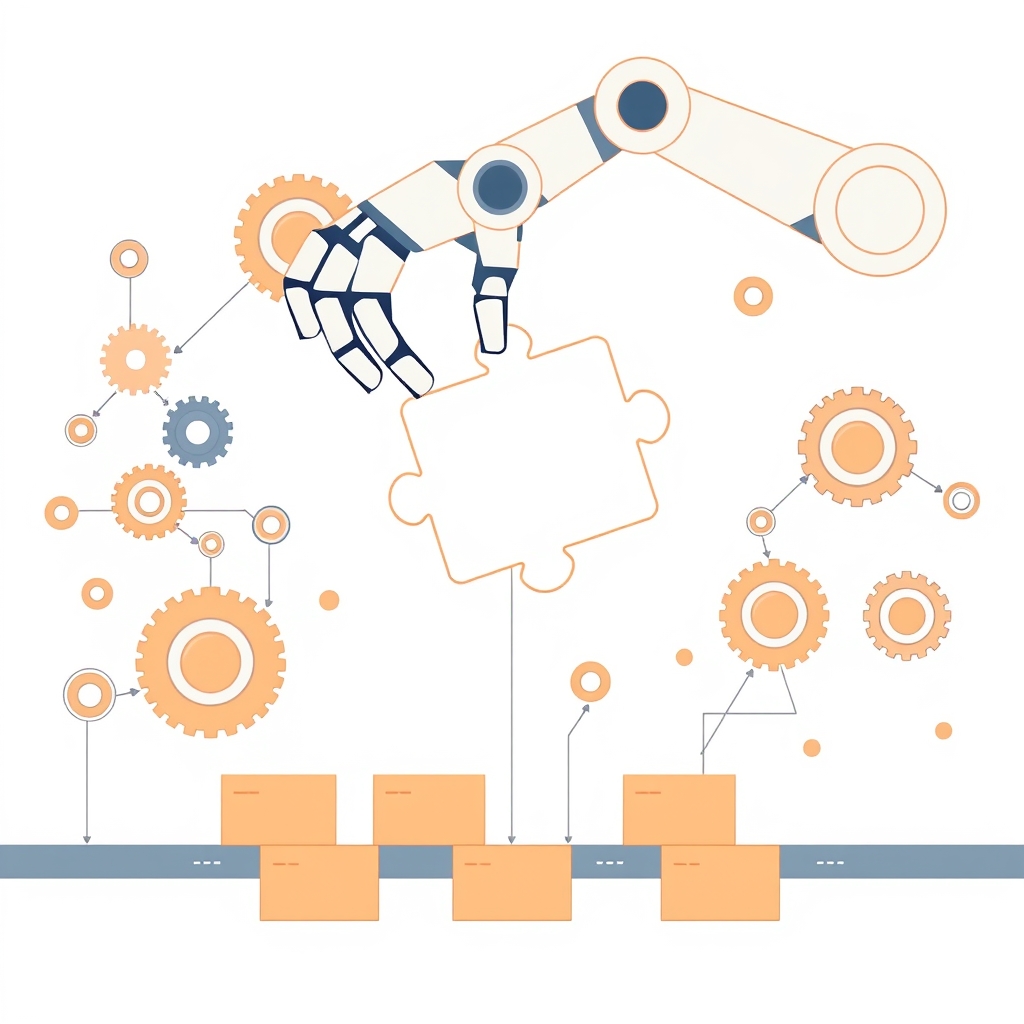

Introduction to AI Copilots: Enhancing User Experience
As SaaS companies continue to evolve, the integration of AI copilots in SaaS products has become a key differentiator in enhancing user experience. By leveraging artificial intelligence, businesses can create personalized and intuitive interfaces that streamline workflows, improve productivity, and foster customer satisfaction. In this article, we will delve into the world of AI copilots in SaaS and explore the best practices for building, implementing, and maintaining these cutting-edge solutions.
With the rise of AI-powered technologies, companies can now develop custom solutions that cater to the unique needs of their users. For instance, Escaping No-Code Limitations with Custom Solutions highlights the importance of tailored approaches in overcoming the limitations of generic software. By embracing AI copilots in SaaS, businesses can unlock new opportunities for growth and innovation.
Understanding the Role of AI in SaaS Product Development
The role of AI in SaaS product development is multifaceted, ranging from predictive analytics to automated workflows. AI copilots in SaaS can analyze user behavior, identify patterns, and provide personalized recommendations to enhance the overall user experience. Moreover, AI-powered automation can help streamline business operations, reducing manual errors and increasing efficiency. As discussed in Automating Business Workflows with AI, the strategic integration of AI can have a significant impact on SaaS product development.
To fully leverage the potential of AI, it is essential to understand the underlying technologies and their applications. By doing so, businesses can develop effective AI copilots that meet the evolving needs of their users and stay ahead of the competition.
Key Considerations for Building Effective AI Copilots
When building AI copilots in SaaS, there are several key considerations to keep in mind. Firstly, it is crucial to define the primary goals and objectives of the AI copilot, ensuring that it aligns with the overall business strategy. Secondly, the development team should have a deep understanding of the target audience, including their needs, preferences, and pain points. Finally, the AI copilot should be designed with scalability and flexibility in mind, allowing for seamless integration with existing systems and future updates.
Some of the essential factors to consider when building AI copilots include:
- Clear definition of goals and objectives
- Deep understanding of the target audience
- Scalability and flexibility of the AI copilot
- Seamless integration with existing systems
- Continuous monitoring and evaluation of performance
Designing Intuitive AI-Powered User Interfaces
Designing intuitive AI-powered user interfaces is critical to the success of AI copilots in SaaS. The interface should be user-friendly, providing clear and concise information to the user. Moreover, the AI copilot should be able to learn from user interactions, adapting to their preferences and behaviors over time. As discussed in Designing Intuitive Information Architecture, a well-designed interface can significantly enhance the overall user experience.
Some best practices for designing AI-powered user interfaces include:
- Keeping the interface simple and intuitive
- Providing clear and concise information to the user
- Enabling the AI copilot to learn from user interactions
- Ensuring seamless navigation and workflow
Evaluating AI Copilot Performance and User Adoption
Evaluating the performance of AI copilots in SaaS is crucial to ensuring their effectiveness and user adoption. This can be achieved through continuous monitoring of key performance indicators (KPIs), such as user engagement, retention, and satisfaction. Moreover, businesses should conduct regular user feedback sessions to identify areas for improvement and optimize the AI copilot accordingly.
Some of the essential KPIs to monitor when evaluating AI copilot performance include:
- User engagement and retention rates
- Customer satisfaction and net promoter scores
- Time-to-value and return on investment (ROI)
- User feedback and sentiment analysis
Overcoming Common Challenges in AI Copilot Implementation
Implementing AI copilots in SaaS can be challenging, with common obstacles including data quality issues, integration complexities, and user resistance to change. To overcome these challenges, businesses should develop a comprehensive implementation strategy, ensuring that all stakeholders are aligned and informed throughout the process. Moreover, it is essential to provide ongoing training and support to users, helping them to adapt to the new AI-powered interface.
Some best practices for overcoming common challenges in AI copilot implementation include:
- Developing a comprehensive implementation strategy
- Ensuring data quality and integrity
- Providing ongoing training and support to users
- Monitoring and addressing user feedback and concerns
Best Practices for AI Copilot Maintenance and Updates
Maintaining and updating AI copilots in SaaS is critical to ensuring their continued effectiveness and user adoption. This can be achieved through regular software updates, security patches, and performance optimizations. Moreover, businesses should continuously monitor user feedback and sentiment analysis, using this information to inform future updates and improvements. As discussed in post-launch support, ongoing maintenance and updates are essential to the long-term success of AI copilots.
Some best practices for AI copilot maintenance and updates include:
- Regular software updates and security patches
- Performance optimizations and monitoring
- Continuous user feedback and sentiment analysis
- Informing future updates and improvements with user insights
Conclusion and Next Steps: Leveraging AI Copilots for SaaS Success
In conclusion, AI copilots in SaaS have the potential to revolutionize the way businesses interact with their users, providing personalized and intuitive interfaces that enhance the overall user experience. By following the best practices outlined in this article, companies can develop effective AI copilots that drive growth, innovation, and customer satisfaction.
To learn more about how SiteFusion can help you build and implement AI copilots in your SaaS product, book a call with our team today. With our expertise in custom software development, AI automation, and SaaS product development, we can help you unlock the full potential of AI copilots and achieve long-term success in the competitive SaaS market.