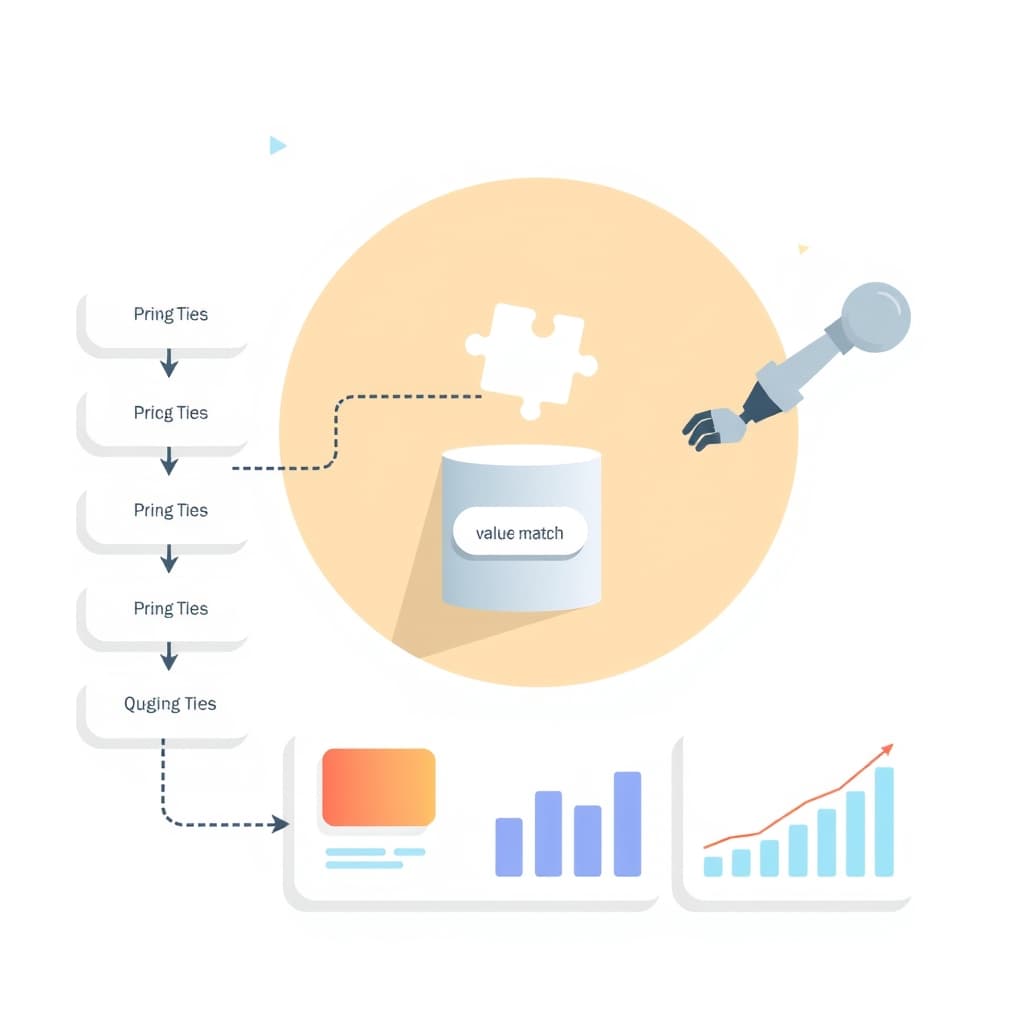
Monetizing a digital gateway for your clients starts with the right B2B customer portal pricing model. A well‑crafted model aligns revenue with the value you deliver, reduces churn, and scales as your user base grows. In this post we walk through the strategic choices, data you need, and implementation steps to build a pricing structure that supports long‑term growth.
B2B Customer Portal Pricing Model: Foundations
Before diving into specific strategies, clarify the purpose of your portal. Is it a revenue generator, a cost‑center that reduces support overhead, or a hybrid that does both? Defining the primary business outcome guides every subsequent decision. Align the pricing model with the overall go‑to‑market plan—whether you’re targeting enterprise accounts that demand predictability or fast‑moving SMBs that prefer pay‑as‑you‑go. This foundational alignment also influences the technical architecture: a subscription‑first model may lean on recurring‑billing APIs, while usage‑based pricing requires robust metering. Keep the model simple enough for buyers to understand, yet flexible enough to accommodate future product expansions. A clear foundation prevents later re‑engineering and protects against price shock when you add new features.
Why Your Pricing Model Matters for a B2B Customer Portal
The pricing model is the financial contract between you and your customers. It shapes perception of value, influences buying cycles, and determines the health of your recurring revenue. A mismatched model can inflate acquisition costs, accelerate churn, or create internal friction between sales, finance, and product teams. For example, a flat‑fee subscription may under‑price high‑usage customers, while a pure usage model can scare risk‑averse enterprises that need budgeting certainty. By choosing a model that mirrors how customers consume your portal—whether they need a fixed set of features, variable transaction volume, or a blend—you reduce friction at checkout and improve forecast accuracy. Moreover, the right model unlocks upsell pathways: tiered plans can naturally guide customers toward higher‑value bundles as their business expands. In short, pricing is not a downstream afterthought; it is a core product decision that drives adoption, retention, and scalability.
Common Pricing Strategies for B2B Portals (Subscription, Usage‑Based, Tiered, and Hybrid)
Four patterns dominate the market:
- Subscription: Fixed recurring fee for a defined feature set. Works well for enterprises that need budgeting predictability.
- Usage‑Based: Charges per transaction, API call, or data processed. Ideal for portals with variable workloads, such as document processing or API‑driven integrations.
- Tiered: Multiple plans that bundle features and usage limits. Provides a clear upgrade path and simplifies sales conversations.
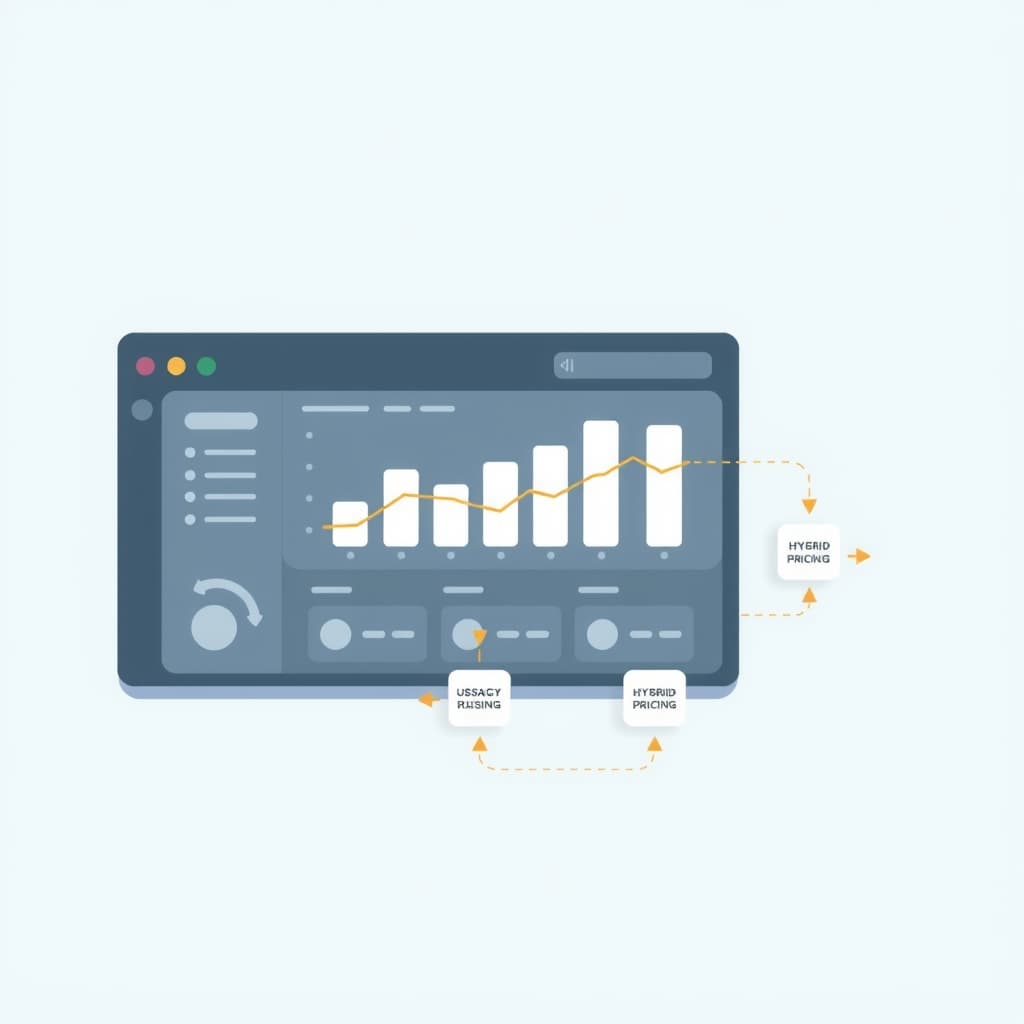
- Hybrid: Combines a base subscription with overage fees or add‑on modules. Balances predictability with flexibility, and is common in SaaS platforms that offer both core functionality and optional extensions.
Each strategy has trade‑offs in revenue predictability, implementation complexity, and customer perception. Selecting the right mix often starts with a deep dive into how your target users interact with the portal and the cost structure of delivering those interactions.
Assessing Customer Value: Metrics to Inform Your Pricing Choice
Data‑driven pricing begins with quantifying the value you create. Track these core metrics:
- Annual Contract Value (ACV) per customer segment – reveals willingness to pay.
- Usage intensity (e.g., API calls, documents processed) – informs usage‑based rates.
- Feature adoption rates – shows which capabilities drive stickiness.
- Support cost per user – helps determine if a higher price is justified.
- Churn and expansion rates – indicate pricing elasticity.
Combine quantitative data with qualitative feedback from sales and customer success teams. For instance, if high‑usage customers repeatedly request bulk discounts, a tiered or hybrid model may be more palatable than pure usage pricing. Use the insights to segment customers and design price points that capture value without alienating price‑sensitive users.
Mapping Your Product Roadmap to a Sustainable Pricing Structure
Your roadmap should reinforce, not contradict, the pricing model. When you plan new features, ask: “Will this be a core capability for all tiers, or an add‑on?” If the answer is the latter, you can create a modular pricing layer that fuels upsell. Align releases with billing cycles to minimize disruption—rolling out a premium module at the start of a subscription period simplifies adoption. Moreover, consider the MVP scoping checklist to ensure early features are priced appropriately before you invest in complex metering. A roadmap that anticipates pricing evolution reduces the need for costly retrofits and keeps the portal’s value proposition clear.
Avoiding Pitfalls: Over‑Engineering, Price Shock, and Hidden Costs
Common mistakes can erode trust and profitability:
- Over‑engineering the billing engine: Building a custom metering system before you have sufficient usage data adds technical debt.
- Price shock: Sudden jumps in fees after a free trial or a plan upgrade cause churn. Gradual tier transitions and clear communication mitigate this risk.
- Hidden costs: Embedding fees for integrations, support, or data storage without explicit line items surprises customers.
Mitigate these risks by piloting pricing with a small cohort, using transparent tier definitions, and separating optional costs into clearly labeled add‑ons. Regularly audit your pricing logic against actual cost drivers to avoid subsidizing high‑usage accounts.
Implementing the Chosen Model: Technical and UX Considerations
From a development standpoint, the pricing model dictates three core components:
- Billing infrastructure: Choose a platform that supports recurring invoices, usage metering, and proration. Many founders opt for Stripe Billing or Recurly for their API flexibility.
- Feature flagging: Tie plan definitions to feature toggles so that UI elements appear only for entitled users.
- Self‑service UI: Design a clear pricing page, plan selector, and upgrade flow. Use progressive disclosure to avoid overwhelming users with every tier at once.
Don’t forget compliance—especially GDPR for EU customers—by ensuring consent and data handling align with your billing processes. If you need ongoing assistance, our post‑launch support team can help monitor billing health and iterate on the UI as you gather feedback.
Measuring Success: KPIs and Iterative Optimization
After launch, track these key performance indicators:
- Monthly Recurring Revenue (MRR) growth – primary health metric.
- Customer Lifetime Value (CLTV) vs. Customer Acquisition Cost (CAC) – ensures profitability.
- Churn rate (voluntary and involuntary) – signals pricing friction.
- Average Revenue Per User (ARPU) across tiers – highlights upsell opportunities.
- Usage‑to‑revenue ratio – validates usage‑based pricing assumptions.
Run A/B tests on plan descriptions, pricing tiers, and discount structures. Use the results to fine‑tune price points or introduce new add‑ons. Remember that pricing is a living experiment; regular reviews—quarterly or bi‑annually—keep the model aligned with market shifts and product evolution.
Conclusion & Next Steps: When to Bring in an Expert Development Partner
Choosing and executing a scalable B2B customer portal pricing model is a cross‑functional challenge. If you find gaps in technical expertise, need to accelerate the rollout, or want to ensure compliance with GDPR and other regulations, partnering with a seasoned development team can shorten the timeline and reduce risk. Our experience building multi‑tenant SaaS platforms and custom portals means we can help you design the pricing engine, integrate with your billing provider, and craft a seamless user experience.
Ready to align your portal’s pricing with growth goals? Book a call with SiteFusion today and let us turn your pricing strategy into a scalable revenue engine.
For a broader overview of portal strategy, see our customer portal guide.