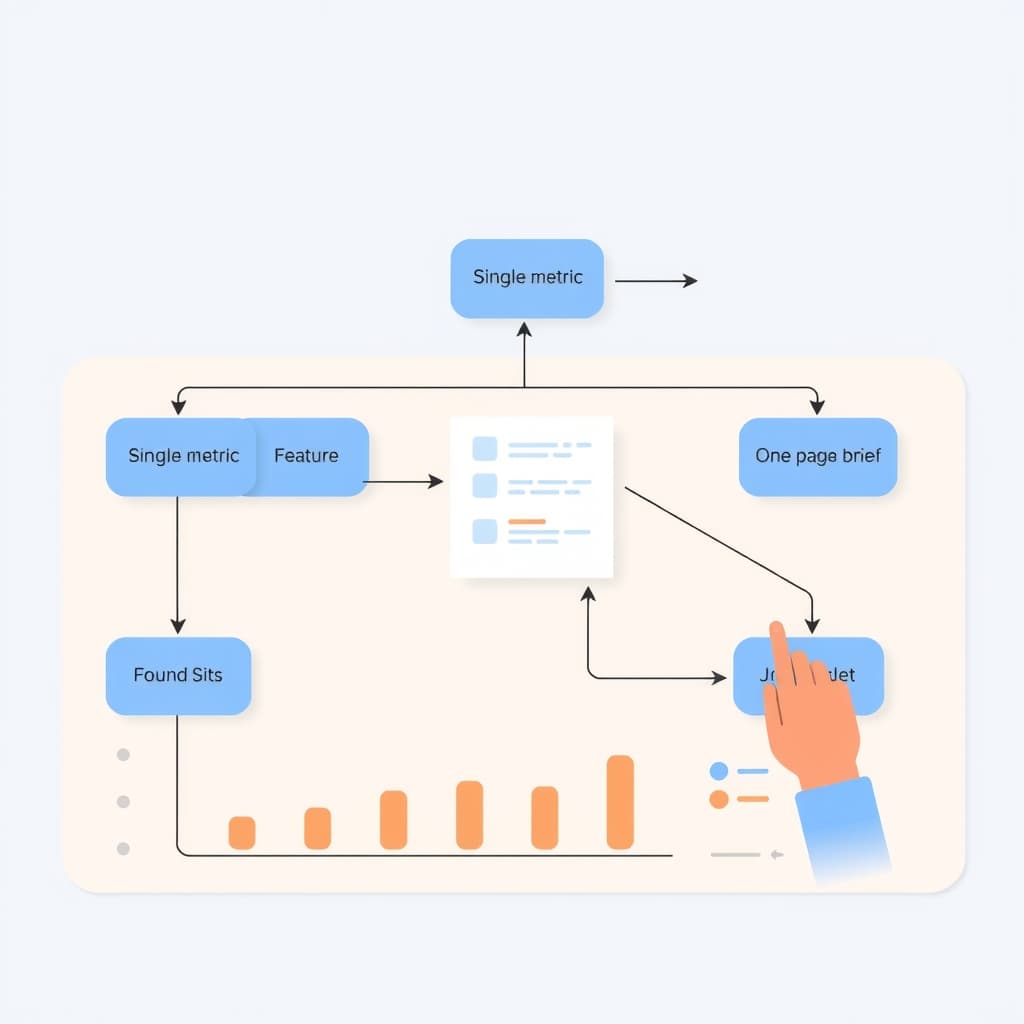
Launching a product without a clear roadmap is a gamble most founders can’t afford. An MVP scoping checklist gives you a repeatable process to translate vision into a concrete, quote‑ready brief, reducing surprise costs and keeping the team focused on what truly matters.
Why a Structured MVP Scoping Checklist Is Critical for Early Success
Early‑stage ventures operate on razor‑thin margins and tight timelines. A disciplined MVP scoping checklist forces you to surface assumptions, align stakeholders, and set realistic expectations before any developer writes a line of code. This front‑loading of effort uncovers hidden dependencies—such as data privacy or third‑party API limits—so you can address them proactively. Moreover, investors and board members respond better to a concrete, itemized plan than to a vague “build it and see.” By documenting scope in a single source of truth, you also create a baseline against which progress and budget can be measured, dramatically lowering the risk of costly overruns.
Defining the Core Problem: From Vision to Verifiable Hypothesis
The first line of any MVP scoping checklist should be a crisp problem statement. Ask yourself: what pain are you alleviating, for whom, and why does it matter now? Transform this narrative into a testable hypothesis—e.g., “If we reduce checkout friction by 30 %, conversion will increase by at least 15 %.” This hypothesis becomes the north star for every feature decision that follows. It also gives you a clear metric to validate after launch, ensuring the MVP is not just a collection of nice‑to‑have screens but a purposeful experiment.
Identifying the Single Success Metric That Drives Your MVP
While many metrics sound appealing, the checklist should isolate one primary success metric—often called the “North Star.” This could be user activation rate, time‑to‑value, or a revenue‑related figure. The key is that the metric must be directly observable within the MVP’s limited scope and tied to the hypothesis you just defined. Once chosen, embed it in every user story and acceptance test. This focus prevents feature bloat and gives the development team a clear target for validation, making post‑launch analysis straightforward.
Prioritizing Features with the RICE or MoSCoW Framework (MVP scoping checklist step)
With a hypothesis and metric in hand, list every conceivable feature that could support them. Then apply a prioritization model. RICE (Reach, Impact, Confidence, Effort) quantifies each idea, while MoSCoW (Must‑have, Should‑have, Could‑have, Won’t‑have) offers a simpler categorical view. Populate a table, score each item, and rank the top‑tier “Must‑have” features. This step of the checklist trims the backlog to the smallest set that can still validate your hypothesis, keeping the scope lean and the budget predictable.
Breaking Down Scope: User Stories, Acceptance Criteria, and Minimum Viable Functionality
Translate each prioritized feature into a user story that follows the “As a [role], I want [action] so that [benefit]” format. Pair every story with clear acceptance criteria—specific, testable conditions that define “done.” For an MVP, the acceptance criteria should focus on core functionality, not edge cases. For example, a login story might require only email/password authentication, leaving social logins for a later iteration. This granularity in the checklist ensures developers and designers share a common definition of completeness, reducing rework.
Creating a One‑Page Brief That Agencies Can Quote Accurately
Condense the checklist output into a single‑page brief: a headline problem statement, hypothesis, success metric, prioritized feature list, and high‑level user flows. Include technical constraints (e.g., GDPR compliance or required integrations) and any non‑functional requirements such as performance or scalability. A concise brief enables external agencies or freelancers to produce precise estimates without endless clarification cycles. It also serves as a contract reference, aligning expectations from day one.
Validating Assumptions Before Any Code Is Written
Before developers start building, run rapid validation experiments—paper prototypes, landing‑page tests, or concierge MVPs. Each experiment should target a single assumption from your hypothesis. Capture the results and feed them back into the checklist: if an assumption fails, you may need to pivot the problem statement or adjust the success metric. This “no‑code validation” stage protects your budget and keeps the eventual product tightly coupled to real user needs.
Guarding Against Scope Creep During Development
Even with a solid checklist, the temptation to add “just one more feature” is strong. Mitigate this by instituting a change‑control gate: any new request must be scored against the original RICE/MoSCoW matrix and approved by a designated product owner. Keep the one‑page brief visible to the entire team, and schedule regular stand‑ups that reference the checklist’s success metric. When scope creep is caught early, you can either defer the request to a future release or discard it entirely, preserving the MVP’s lean intent.
Next Steps: Turning the Checklist Into a Roadmap and CTA to Talk to SiteFusion
Once the MVP scoping checklist is complete, map the approved user stories onto a timeline, assigning milestones that align with your success metric validation points. This roadmap becomes the living document that guides sprints, QA, and launch planning. If you need a partner who can translate this roadmap into a robust, production‑ready product—while handling post‑launch support and scaling concerns—our team at SiteFusion is ready to help. Explore our post‑launch support services or view examples in our portfolio. When you’re ready to lock down scope and get a reliable quote, book a call with us today.