In today’s interconnected SaaS landscape, API integration reliability is the silent engine that keeps revenue streams, data pipelines, and customer experiences running smoothly. A single flaky endpoint can cascade into delayed invoices, broken workflows, and eroded trust—all of which hurt growth at the very moment you’re scaling. This guide walks founders, product leaders, and ops managers through the practical steps needed to make every third‑party connection as dependable as the core product itself.
Why API Integration Reliability Matters
Reliability isn’t a nice‑to‑have; it’s a competitive differentiator. When your platform talks to payment processors, CRMs, or logistics services, any downtime directly impacts cash flow and user satisfaction. Consistent uptime also reduces support tickets, freeing ops teams to focus on value‑adding work rather than firefighting. Moreover, reliable integrations simplify compliance audits and make it easier to negotiate SLAs with partners. By treating integration health as a first‑class metric, you align engineering priorities with business outcomes, ensuring that growth isn’t throttled by avoidable external failures.
Common Failure Modes in Point‑to‑Point Connectors
Most early‑stage SaaS products start with point‑to‑point connectors—quick, custom scripts that map one system to another. While fast to build, they introduce several failure patterns. Network latency spikes can cause timeouts, while schema changes on the partner side break data mapping silently. Authentication tokens that aren’t refreshed lead to 401 errors that cascade into missed updates. Rate‑limit throttling, especially on public APIs, often results in exponential back‑off loops that stall critical workflows. Understanding these modes helps you design safeguards before they become costly incidents.
Designing Idempotent Endpoints for Safe Retries
Idempotency is the cornerstone of resilient integrations. An idempotent endpoint guarantees that repeating the same request yields the same result without side effects. Implementing a deterministic request ID, stored alongside a processing flag, lets you safely retry after transient failures. For example, when pushing a new customer record to a CRM, include a UUID that the CRM stores; subsequent retries with the same UUID are ignored or return the existing record. This pattern also simplifies audit trails and aligns with the Designing Simple SaaS User Interfaces principle of predictable behavior. Pair idempotency with proper HTTP status codes—use 202 for accepted async work and 409 for conflict—to give callers clear guidance on next steps.
Choosing Between Webhooks, Polling, and Batch Sync
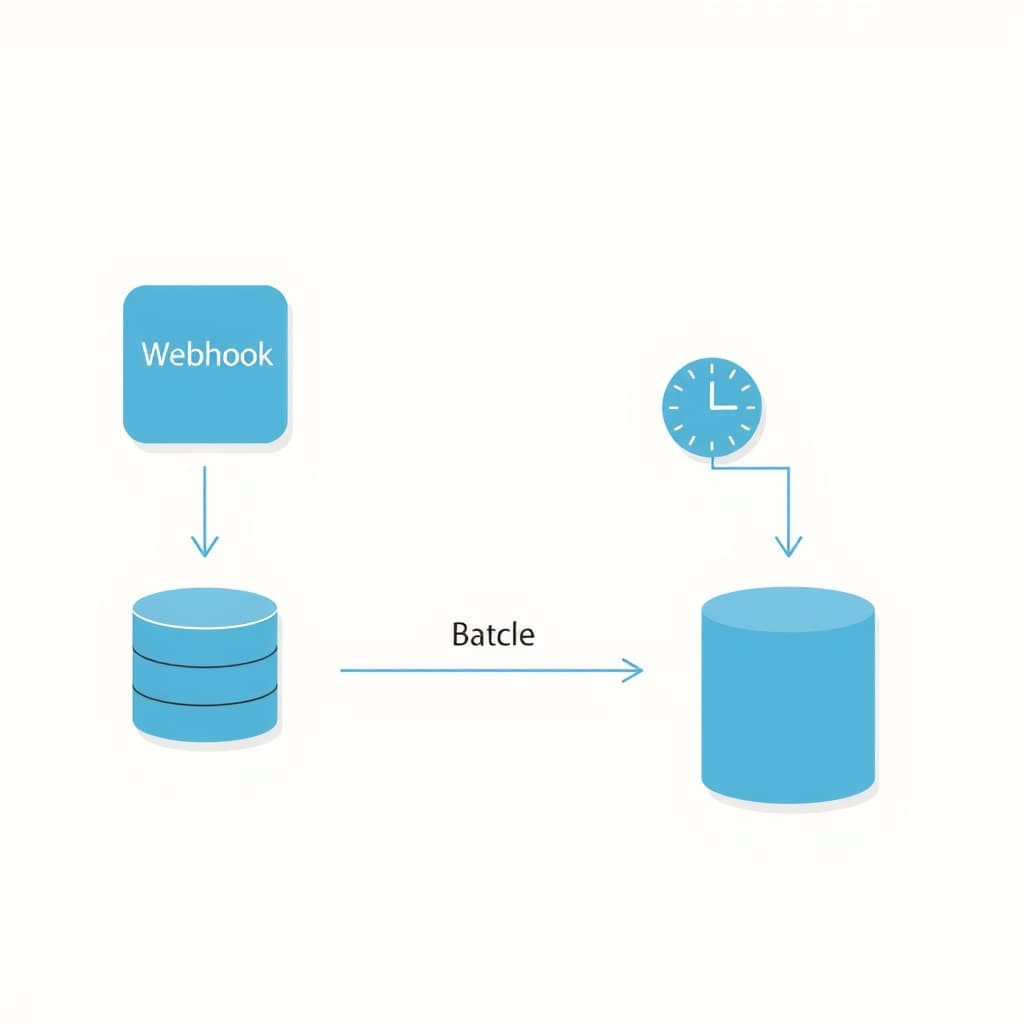
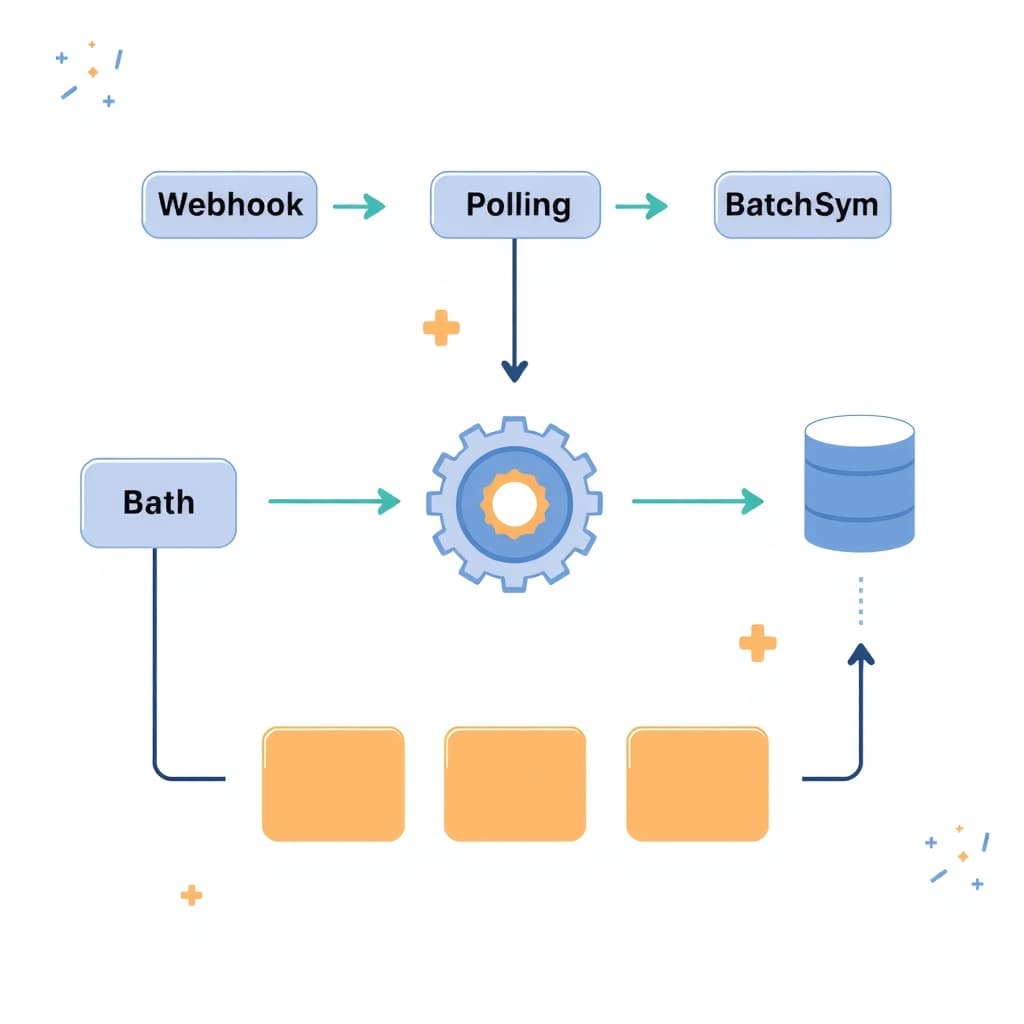
Each integration style has trade‑offs that affect reliability. Webhooks push events in real time, reducing latency but relying on the consumer’s endpoint availability; a missed webhook can be mitigated with retry queues and signature verification. Polling offers simplicity—your service asks for updates at set intervals—but introduces unnecessary load and can miss near‑real‑time changes. Batch sync, typically nightly or hourly, is ideal for large data volumes where eventual consistency is acceptable; however, it requires robust deduplication logic. Evaluate the business impact of stale data versus the operational overhead of each method, and consider hybrid approaches—use webhooks for critical events and batch jobs for bulk reconciliation.
Implementing Circuit Breakers and Graceful Degradation
Circuit breakers protect your platform from cascading failures when a downstream API becomes unstable. By monitoring error rates and latency, the breaker trips, short‑circuiting calls and returning a fallback response instead of waiting for timeouts. During the open state, you can serve cached data, display a degraded UI, or queue requests for later processing. Graceful degradation ensures that core functionality remains accessible, preserving the user experience while you remediate the external issue. Pair circuit breakers with exponential back‑off and jitter to avoid thundering‑herd problems when the service recovers.
Monitoring, Alerting, and Automated Recovery Strategies
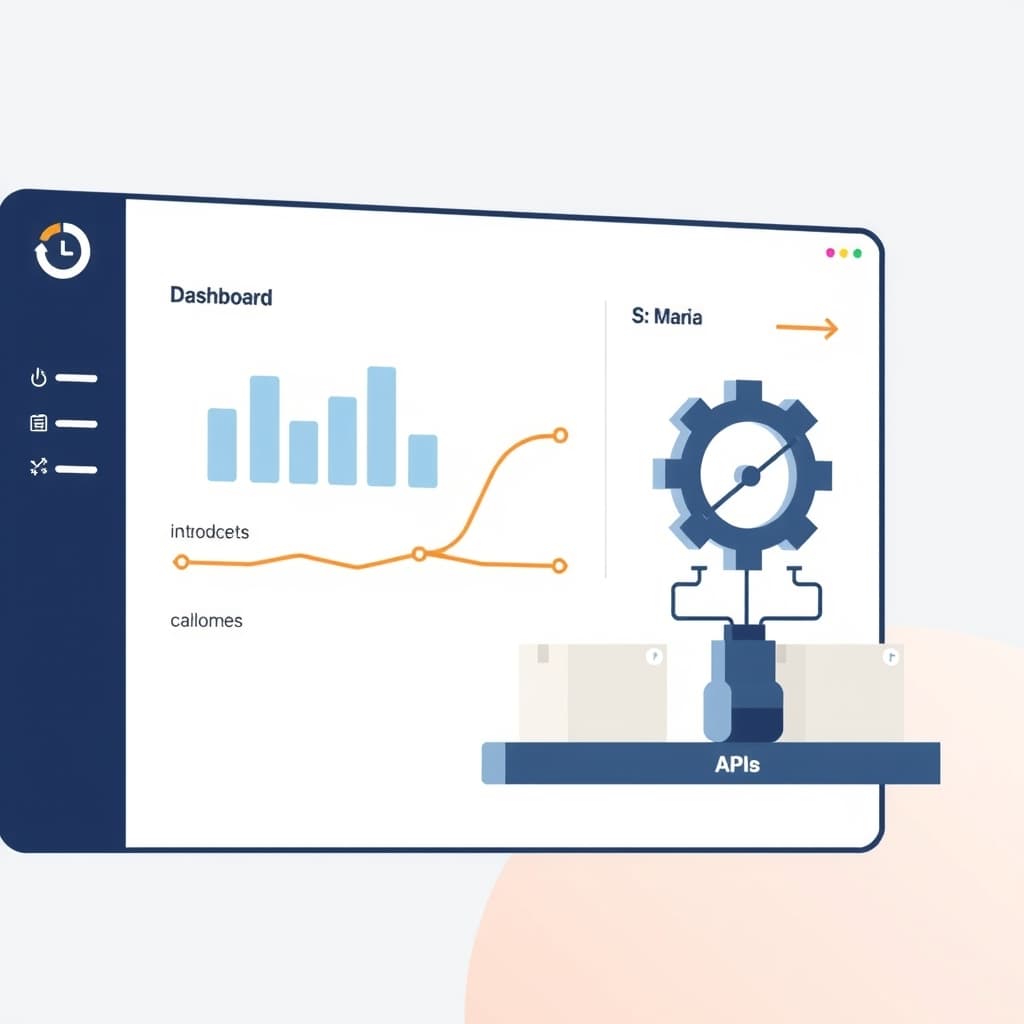
Visibility is non‑negotiable. Instrument every integration point with metrics such as request latency, success rate, and error classification. Tools like Prometheus or Datadog can aggregate these signals into dashboards that highlight anomalies in real time. Set alerts on threshold breaches—e.g., a 5 % increase in 5xx responses over a five‑minute window—to trigger automated remediation scripts. Common recovery actions include rotating credentials, clearing stale caches, or restarting a failed job queue. By coupling monitoring with self‑healing playbooks, you reduce mean time to recovery (MTTR) and keep the integration layer resilient under load.
Testing Resilience: Chaos Engineering for Integration Layers
Chaos engineering moves reliability testing from theory to practice. Introduce controlled failures—such as network latency injection, forced timeouts, or simulated API rate‑limit errors—to observe how your system reacts. Tools like Gremlin or custom fault injectors can target specific connectors without affecting production traffic. Validate that retries respect idempotency, circuit breakers open as expected, and fallback paths deliver acceptable user experiences. Record findings and iterate on the design; each experiment uncovers hidden dependencies and strengthens your overall integration posture.
Scaling Your Integration Architecture as You Grow
As transaction volume climbs, a monolithic integration layer becomes a bottleneck. Adopt a micro‑services approach where each third‑party connection runs in its own containerized service, allowing independent scaling and deployment. Leverage message queues (e.g., RabbitMQ or Kafka) to decouple producers from consumers, smoothing spikes and enabling replayability. Implement a centralized API gateway to enforce authentication, rate limiting, and observability across all connectors. Finally, consider a dedicated integration platform or iPaaS for high‑volume, low‑latency use cases, but retain control over critical paths to avoid vendor lock‑in.
Conclusion: Building Trustworthy Connected Systems
Reliable integrations are the backbone of any scaling SaaS product. By designing idempotent endpoints, choosing the right sync pattern, and embedding circuit breakers, you create a fault‑tolerant ecosystem. Continuous monitoring, automated recovery, and chaos testing turn reliability from a hopeful goal into an operational reality. When you embed these practices early, you free your ops team to focus on innovation rather than firefighting, and you give customers the confidence to rely on your platform for their core business processes. Need expert help to audit or redesign your integration layer? Our post‑launch support team can partner with you to embed resilience at every level. Book a call today and future‑proof your SaaS growth.