Introduction to Dev Partner Evaluation
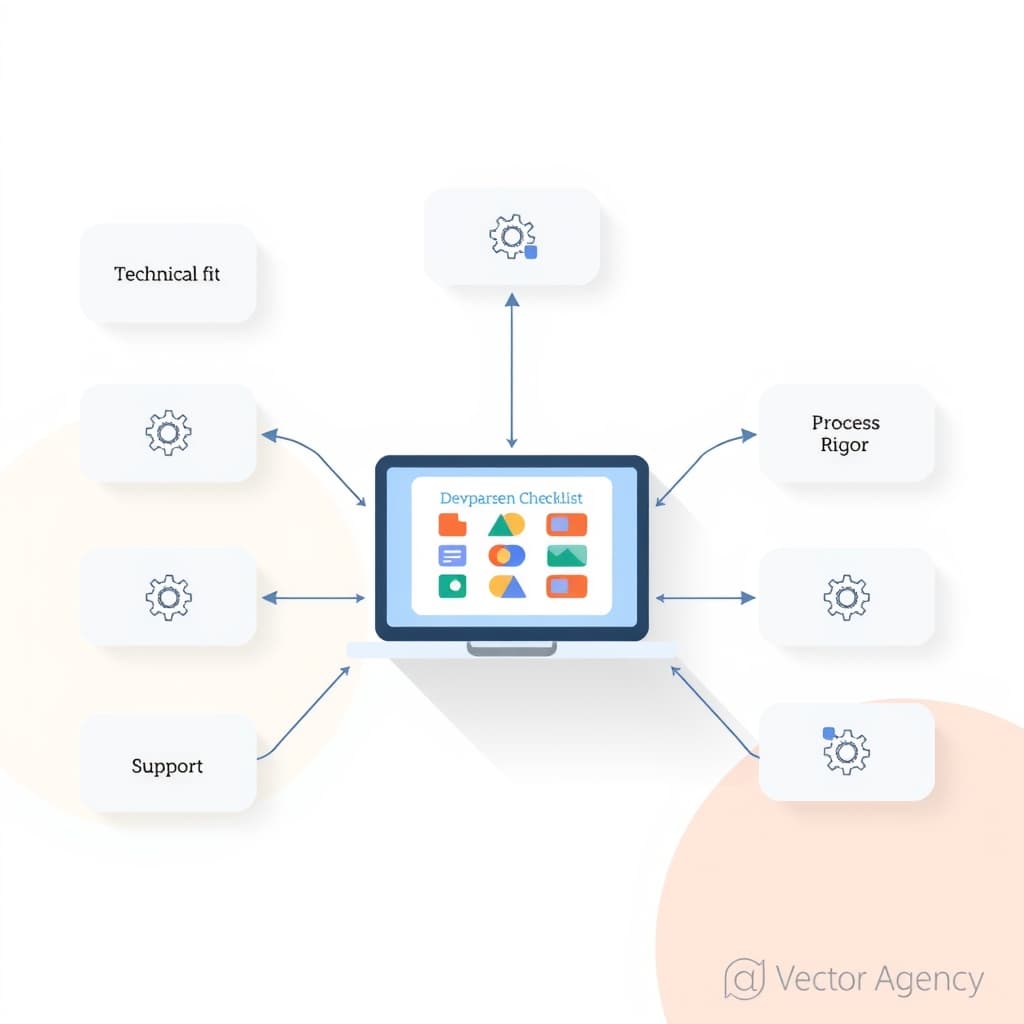
When it comes to scaling your business, finding the right development partner is crucial. A thorough Dev Partner Evaluation can make all the difference in ensuring that your project is completed on time, within budget, and to the required quality standards. As a founder, product leader, or operations manager, it's essential to understand the importance of evaluating potential dev partners to find the best fit for your business needs. For a comprehensive overview of this topic, visit our pillar guide on hiring a dev partner, which provides a broader perspective on the entire process.
In this article, we'll delve into the key aspects of Dev Partner Evaluation, including partnership models, cultural fit, technical expertise, pricing models, and case studies. By the end of this article, you'll have a clear understanding of what to look for in a dev partner and how to make an informed decision that aligns with your business goals.
Understanding Partnership Models: Dedicated Teams vs Project-Based
When evaluating a dev partner, it's essential to consider the partnership model that best suits your business needs. Two common models are dedicated teams and project-based partnerships. Dedicated teams involve a long-term collaboration with a team of developers who work exclusively on your project, while project-based partnerships involve a fixed-term collaboration on a specific project. Understanding the pros and cons of each model is critical to making an informed decision. For instance, if you're looking to design intuitive SaaS interfaces, a dedicated team might be a better fit.
It's also important to consider the level of control and flexibility you need in the partnership. Dedicated teams offer more control and flexibility, as you have a dedicated team working on your project. On the other hand, project-based partnerships provide less control, but can be more cost-effective.
Evaluating Cultural Fit: Aligning Values and Communication Styles
Cultural fit is a critical aspect of Dev Partner Evaluation. It's essential to find a dev partner that aligns with your company values, communication style, and work ethics. A good cultural fit ensures that the partnership is smooth, efficient, and productive. When evaluating cultural fit, consider factors such as communication channels, work hours, and collaboration tools.
A dev partner with a similar cultural fit can help ensure that your project is completed on time and to the required quality standards. For example, if you prioritize optimizing internal tools for ops efficiency, you'll want a dev partner who shares that vision.
Key Considerations for Cultural Fit
- Communication channels and frequency
- Work hours and time zones
- Collaboration tools and software
- Company values and mission
- Work ethics and productivity
Assessing Technical Expertise: Skills, Experience, and Certifications
Technical expertise is a critical aspect of Dev Partner Evaluation. It's essential to assess the dev partner's skills, experience, and certifications to ensure they can deliver high-quality solutions. Consider factors such as programming languages, frameworks, and technologies. For instance, if you're looking to optimize Next.js performance with React, you'll want a dev partner with expertise in those areas.
A dev partner with the right technical expertise can help ensure that your project is completed on time, within budget, and to the required quality standards. Look for certifications, case studies, and references to validate their technical expertise.
Comparing Pricing Models: Fixed-Price, Time-and-Materials, and Retainer-Based
Pricing models are a critical aspect of Dev Partner Evaluation. It's essential to compare pricing models to find the one that best suits your business needs. Fixed-price models involve a fixed cost for the entire project, while time-and-materials models involve hourly or daily rates. Retainer-based models involve a recurring fee for ongoing services.
Consider factors such as project scope, complexity, and duration when evaluating pricing models. A fixed-price model might be suitable for small, well-defined projects, while a time-and-materials model might be better for larger, more complex projects. For example, if you're looking to develop custom software for e-commerce inventory management, a retainer-based model might be a good fit.
Case Studies: Success Stories and Lessons Learned from Dev Partner Evaluations
Case studies and success stories can provide valuable insights into the Dev Partner Evaluation process. By studying real-world examples, you can learn from others' experiences and avoid common pitfalls. Consider factors such as project scope, timeline, budget, and outcomes.
For instance, a case study on post-launch SaaS maintenance strategies can provide valuable insights into the importance of ongoing support and maintenance. By learning from others' experiences, you can make informed decisions and avoid common mistakes.
Conclusion: Key Takeaways for Effective Dev Partner Evaluation
In conclusion, Dev Partner Evaluation is a critical process that requires careful consideration of several factors, including partnership models, cultural fit, technical expertise, pricing models, and case studies. By following these key takeaways, you can ensure that your business finds the right dev partner to deliver high-quality solutions.
Remember to evaluate cultural fit, assess technical expertise, and compare pricing models to find the best fit for your business needs. Don't forget to check out our portfolio of products and what we build to see how we can help your business succeed.
Next Steps: Choosing the Right Dev Partner for Your Business
Now that you've learned about the key aspects of Dev Partner Evaluation, it's time to take the next step. If you're looking for a reliable dev partner to help your business succeed, consider reaching out to us for post-launch support or to discuss your project needs. Book a call with SiteFusion today by visiting our contact page and let's work together to drive your business forward.