When you sit down to discuss dev partner pricing you’re not just haggling over a number—you’re shaping the risk profile, delivery cadence, and ultimately the ROI of the product you’re building. For growth‑stage founders, product leaders, and ops managers, a disciplined negotiation process can mean the difference between a scalable solution and a budget‑busting surprise. Below is a step‑by‑step guide that walks you through the most common pitfalls and the levers you can pull to keep the partnership productive and predictable.
Why Pricing Negotiation Matters for Growing Companies
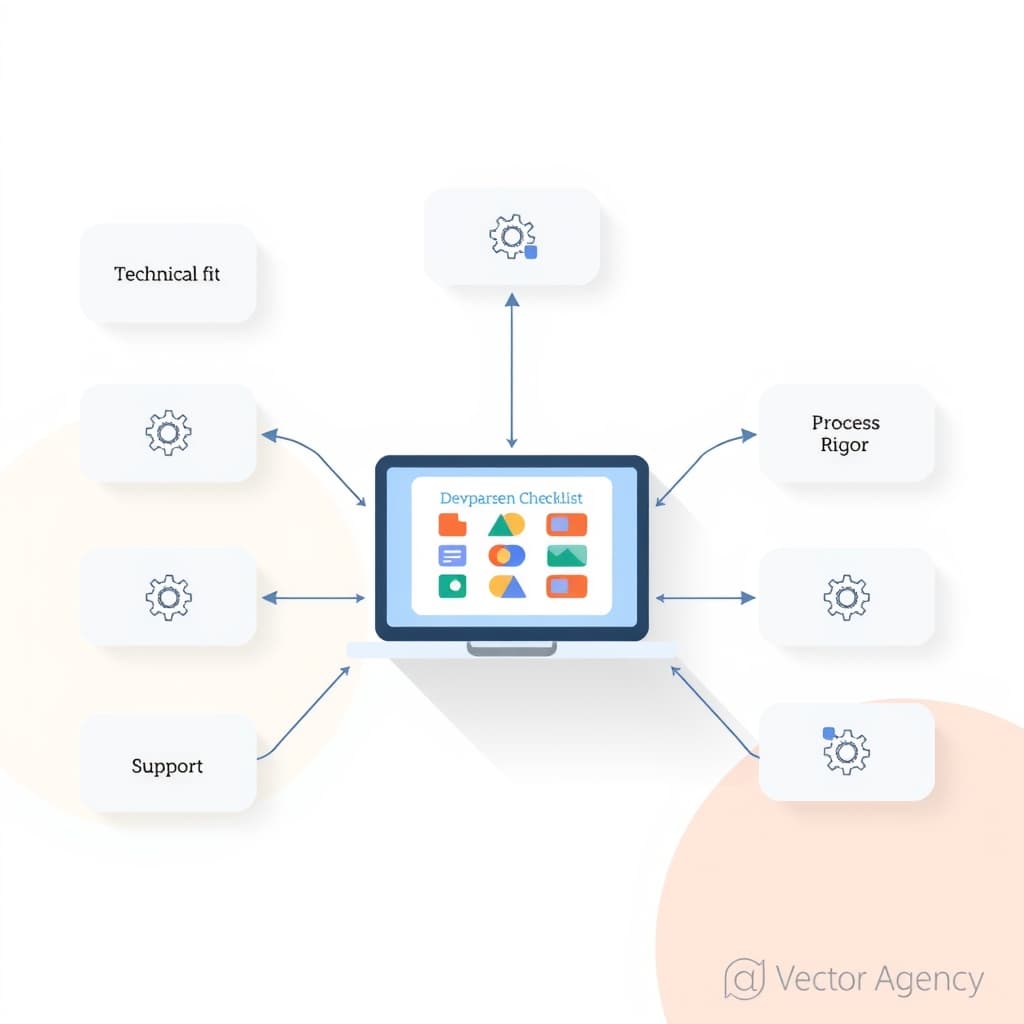
Rapidly scaling businesses operate on thin margins and tight timelines. A misaligned price structure can stall feature delivery, force shortcuts, or trigger hidden overruns that erode cash flow. Moreover, pricing signals the level of commitment a dev partner has to your success; a transparent, mutually‑agreed model builds trust and aligns incentives. For founders, the negotiation is also a litmus test of the partner’s maturity—if they can articulate costs clearly, they’re more likely to honor timelines and quality standards. This is why the broader hiring guide emphasizes early financial alignment as a cornerstone of a healthy partnership.
Understanding Common Pricing Models: Fixed‑Bid, T&M, and Hybrid
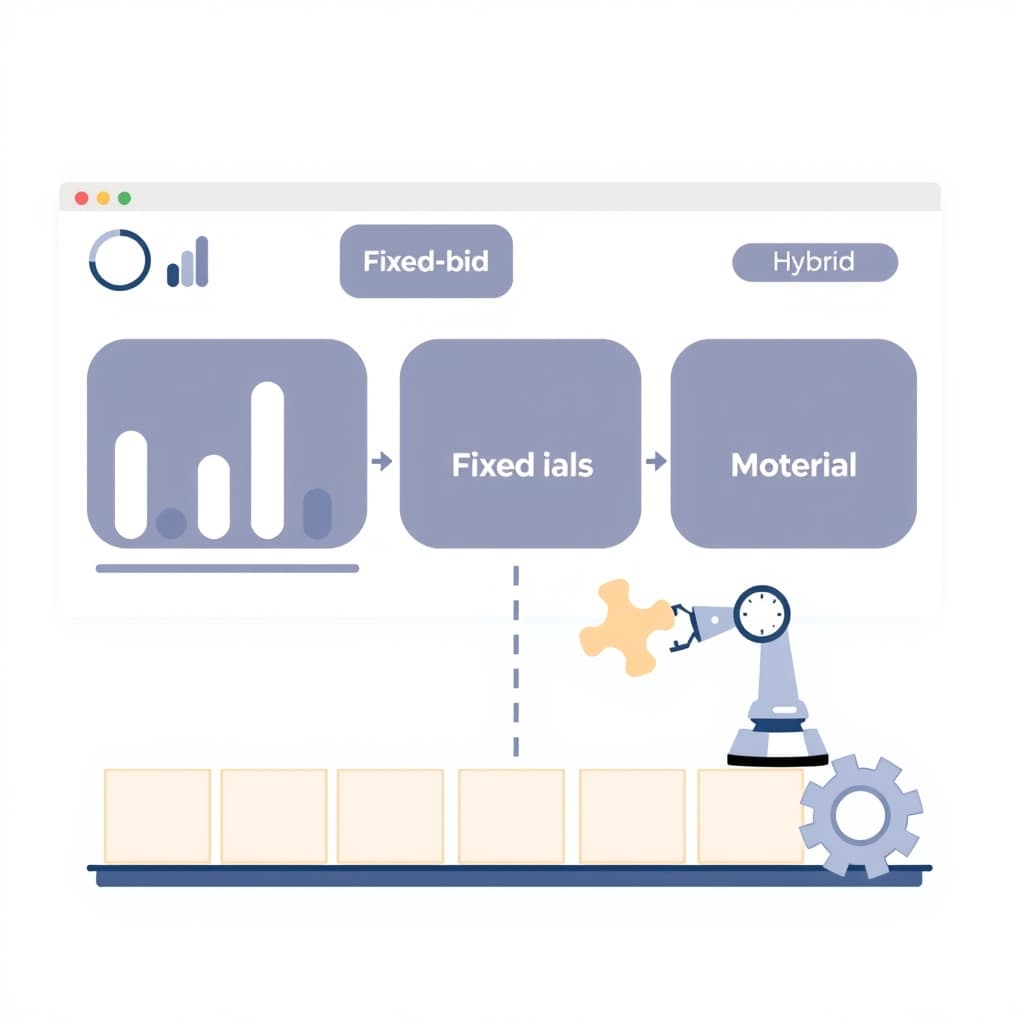
Each model balances risk differently. Fixed‑bid offers a predictable total cost but can lead to scope creep if requirements shift; the partner may pad the estimate to protect margins. Time‑and‑materials (T&M) gives flexibility—you pay for actual effort—but can become expensive without guardrails. Hybrid approaches combine a fixed core scope with T&M for stretch goals, providing a middle ground. Knowing which model aligns with your product roadmap and risk tolerance is essential before you start negotiating. For teams that need rapid iteration, a hybrid model often pairs well with the MVP Scope Validation Checklist to lock down the core deliverables first.
Preparing Your Internal Scope Brief: What to Define Before Talk
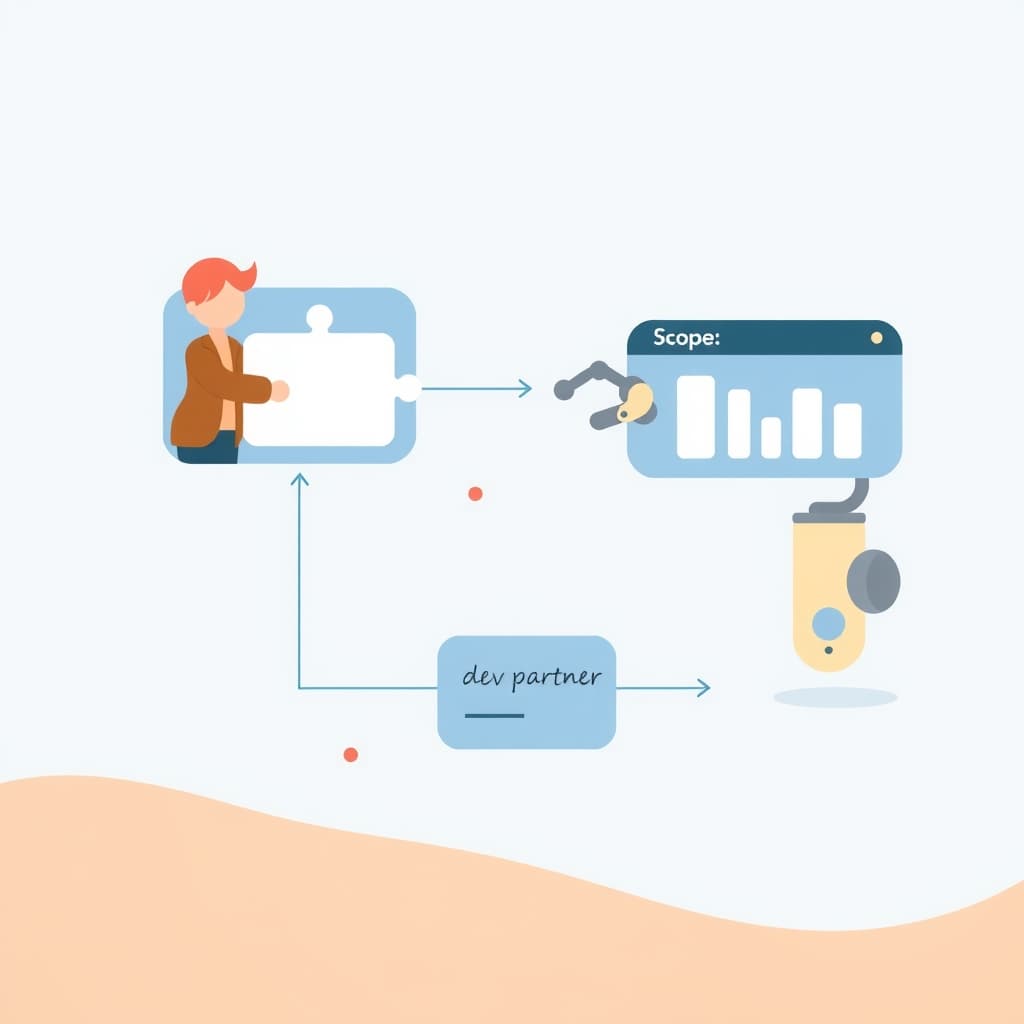
A well‑crafted scope brief is your strongest bargaining chip. Start with business outcomes: revenue targets, user adoption metrics, or operational efficiencies. Translate those into functional requirements, technical constraints, and non‑functional expectations (performance, security, compliance). Prioritize features into Must‑Have, Should‑Have, and Nice‑To‑Have tiers; this hierarchy gives you room to trade scope for price later. Include acceptance criteria, mock‑ups, and any existing APIs or data models. The clearer you are, the less ambiguity the dev partner can exploit, and the more accurate their cost estimate will be.
Identifying Hidden Costs and How to Surface Them Early
Hidden costs often emerge from integration complexity, third‑party licensing, or regulatory compliance work. Ask the partner to break down estimates by component: architecture, UI/UX, QA, DevOps, and post‑launch support. Request a separate line item for “unknowns” and define a trigger for when those items move from speculative to billable. Don’t forget ongoing costs such as cloud infrastructure, monitoring, and maintenance—these can dwarf the initial development spend. By surfacing these items in the early brief, you avoid surprise invoices and keep the budget aligned with the strategic roadmap.
Negotiation Levers: Scope Flexibility, Milestones, and Success Fees (dev partner pricing)
Leverage scope flexibility by agreeing to a core set of deliverables and leaving room for phased enhancements. Tie payments to clearly defined milestones—design freeze, MVP launch, performance benchmark—so cash flow matches progress. Consider success fees that reward the partner for hitting key metrics (e.g., 95% uptime in the first quarter or a 20% reduction in load time). These levers shift some risk back to the partner and align their incentives with your business outcomes, creating a more collaborative pricing dynamic.
Building a Transparent Change‑Request Process
Even the best‑planned project will evolve. Define a formal change‑request workflow: a written request, impact analysis (time, cost, schedule), stakeholder approval, and an updated statement of work. Set a maximum percentage increase per change (e.g., no more than 10% of the original budget) and a cap on the number of changes per sprint. Documenting every adjustment prevents scope creep from becoming a silent budget killer and gives you a clear audit trail for future negotiations.
Protecting Your Budget: Caps, Buffers, and Incentive Clauses
Establish an overall budget cap with a clear escalation path if the cap is approached. Include a contingency buffer—typically 10‑15% of the total estimate—to absorb unforeseen work without renegotiating the entire contract. Incentive clauses can reward early delivery or cost savings, while penalty clauses can address missed deadlines that impact go‑to‑market plans. These mechanisms create a safety net, ensuring the project stays financially viable even when assumptions shift.
Finalizing the Agreement: Key Contractual Clauses for Pricing
When the numbers are settled, lock them in with precise contractual language. Essential clauses include: a detailed pricing schedule, scope definition, change‑request protocol, budget cap, payment milestones, success‑fee triggers, and termination rights. Also specify intellectual property ownership, confidentiality, and post‑launch support terms—our post‑launch support service can be added as an optional extension. A well‑drafted agreement reduces ambiguity and provides a clear recourse if expectations diverge.
Next Steps: How to Kick‑off the Project with Confidence
With the contract signed, schedule a joint kick‑off that brings together product, design, and engineering leads. Review the scope brief, confirm milestone dates, and align on communication cadence (weekly stand‑ups, bi‑weekly demos). Set up shared tooling—project board, repository, and monitoring dashboards—so both sides have real‑time visibility. Early alignment on expectations and reporting cadence reinforces the pricing framework you negotiated and sets the tone for a collaborative, on‑budget delivery.
Negotiating dev partner pricing doesn’t have to be a gamble. By following this framework you protect your budget, align incentives, and lay the groundwork for a partnership that scales with your business. Ready to put this plan into action? Book a call with SiteFusion and let our experts help you secure the right terms for your next development project.