Why Data Isolation Matters in Multi‑Tenant SaaS
When you build a multi-tenant SaaS data isolation strategy, you’re protecting three core assets: customer trust, regulatory compliance, and operational scalability. A single data leak can erode a brand’s reputation faster than any marketing campaign. Moreover, many verticals—healthcare, finance, and education—require strict segregation under GDPR, HIPAA, or PCI DSS. From an ops perspective, isolation reduces the blast radius of a buggy query or a malicious actor, keeping performance predictable across tenants. It also simplifies billing and analytics because each tenant’s usage can be measured without cross‑contamination. In short, solid isolation is the foundation that lets you sell confidently to larger enterprises while keeping the underlying platform lean.
Choosing the Right Isolation Model: Shared, Separate, or Hybrid
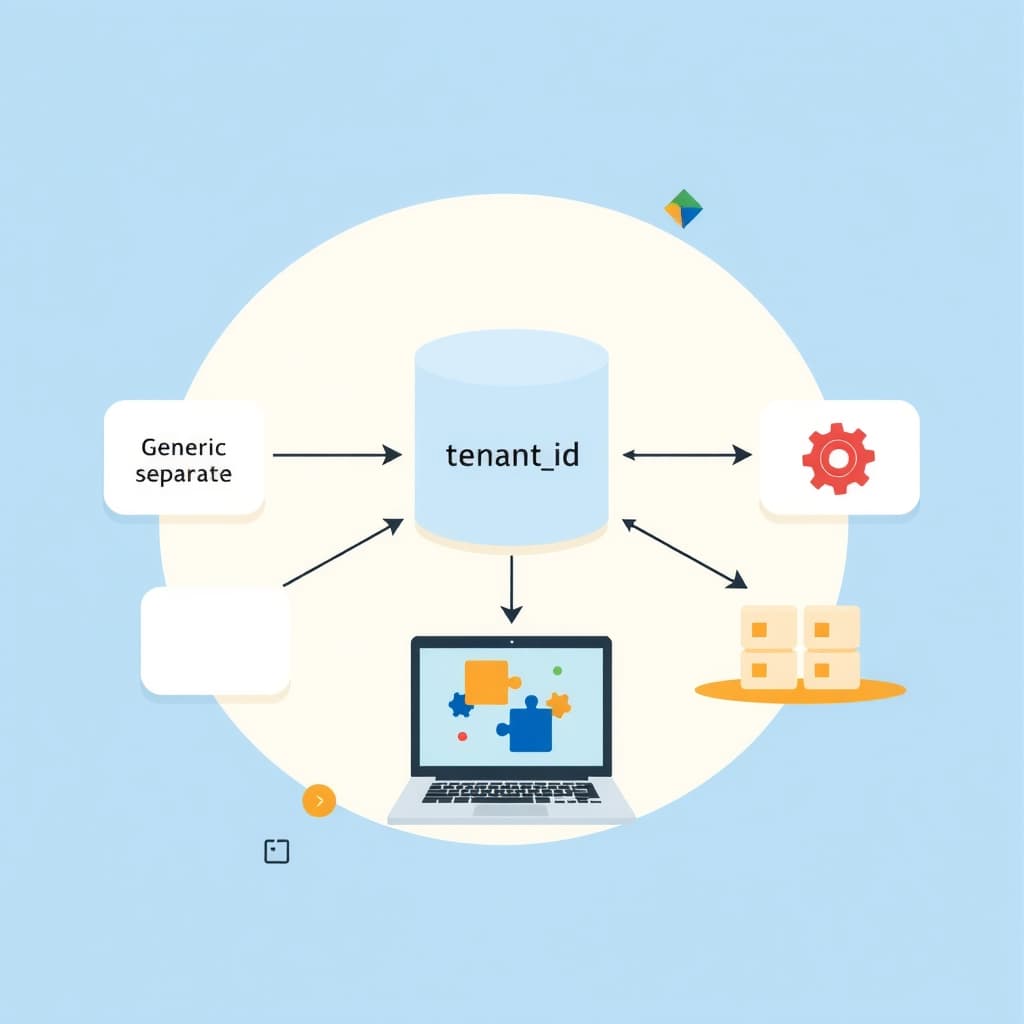
Three architectural patterns dominate the SaaS landscape. A shared model stores every tenant’s rows in the same tables, relying on logical filters to enforce boundaries. It’s cost‑effective but demands rigorous access controls. A separate model gives each tenant its own schema or even a dedicated database, maximizing security at the expense of higher operational overhead. The hybrid approach mixes both: core data lives in shared tables, while high‑risk or compliance‑heavy data is siloed. Your choice should align with the product’s risk profile, expected tenant count, and budget. For most growth‑stage SaaS, starting with a shared model and planning a migration path to hybrid or separate schemas pays off. The B2B Customer Portal Roadmap: From MVP to Scalable Launch provides a practical timeline for evolving isolation as you scale.
Designing the Database Schema for Secure Tenant Segregation
Schema design is the first line of defense. Begin by adding a tenant_id column to every table that holds tenant‑specific data. Index this column aggressively; it becomes the primary filter for almost every query. Where possible, use composite primary keys that include tenant_id to prevent accidental cross‑tenant inserts. For shared reference data—like product catalogs—store a visibility_scope field that maps rows to allowed tenants. Avoid nullable foreign keys that could break the isolation contract. If you opt for separate schemas, enforce a naming convention (e.g., tenant_{id}_) and automate schema creation via migration scripts. Document the schema in a living diagram so new engineers understand the segregation intent from day one.
Implementing Row‑Level Security and Policy‑Based Access Controls
Modern relational databases (PostgreSQL, SQL Server, MySQL 8+) support Row‑Level Security (RLS). Define a security policy that automatically appends WHERE tenant_id = current_setting('app.tenant_id') to every SELECT, UPDATE, or DELETE. In application code, set the session variable immediately after authentication. Pair RLS with a policy‑based access control (PBAC) layer that maps user roles to tenant scopes—e.g., “admin@tenantA” can see all rows for tenant A, while “support@global” sees only tickets flagged as public. This double‑lock ensures that even a compromised service account cannot traverse tenant boundaries. Remember to audit policy changes; a mis‑configured rule can open a silent data leak.
Handling Tenant‑Specific Configurations and Customizations
Every tenant will want its own branding, feature toggles, and workflow extensions. Store these customizations in a dedicated tenant_config table keyed by tenant_id. Use JSONB (PostgreSQL) or equivalent to keep the schema flexible while preserving queryability. For UI customizations, serve assets from a CDN path that includes the tenant slug, allowing cache isolation. When building feature flags, adopt a hierarchical model: global defaults → plan‑level overrides → tenant‑level overrides. This structure lets you roll out new capabilities to a pilot tenant without touching the rest of the fleet. Keep the configuration API read‑only for most users; only privileged ops roles should be able to write, and all writes must pass through the same RLS checks described earlier.
Testing and Auditing Isolation: Tools and Best Practices
Automated testing must verify that no query can escape its tenant fence. Write integration tests that spin up two tenants, insert distinct data, then attempt cross‑tenant reads. Tools like PostgreSQL’s built‑in RLS test harness or custom test harnesses in Jest/Playwright can surface regressions quickly. For audit trails, enable database‑level logging of SET app.tenant_id statements and any policy violations. Periodically run a “tenant bleed” scan that attempts to read every other tenant’s data using a service account; any hit is a red flag. Incorporate these scans into your CI/CD pipeline and treat failures as blocking. Finally, schedule quarterly manual audits where a security analyst reviews policy definitions and logs for anomalies.
Migrating Existing Customers to a New Isolation Architecture
Migration is rarely a one‑click operation. Start with a detailed inventory: which tables are shared, which contain compliance‑sensitive data, and which tenants need immediate segregation. Use a blue‑green deployment pattern: provision new isolated schemas alongside the existing ones, then run a back‑fill job that copies each tenant’s rows into its new home, preserving primary keys. Validate row counts and checksum hashes before switching traffic. Feature flags can control the cutover per tenant, allowing a phased rollout. Communicate the migration plan to customers early; highlight the security benefits and any expected downtime. After all tenants are migrated, decommission the legacy shared tables and archive them for audit purposes.
Monitoring, Incident Response, and Ongoing Compliance
Continuous monitoring is essential to detect isolation breaches before they become incidents. Instrument your data layer with metrics such as “queries per tenant,” “failed RLS checks,” and “cross‑tenant access attempts.” Feed these into an observability platform (e.g., Grafana, Datadog) and set alerts on anomalous spikes. Build an incident‑response runbook that includes steps to quarantine a tenant, rotate credentials, and notify affected parties within regulatory timeframes. Regularly review compliance checklists—refer to the custom SaaS pillar guide for a comprehensive overview. Pair monitoring with the post‑launch support service to ensure you have a dedicated team ready to act on alerts 24/7.
Conclusion & Next Steps: Partnering with an Expert Development Team
Implementing robust multi-tenant SaaS data isolation is not a one‑off project; it’s an ongoing discipline that touches schema design, security policies, testing, and operations. Skipping any layer leaves a gap that sophisticated attackers can exploit. By choosing the right isolation model, enforcing row‑level security, and embedding rigorous testing and monitoring, you set a foundation that scales with your customer base and regulatory demands. If you’re ready to accelerate your isolation roadmap—or need help migrating legacy customers—consider partnering with a team that lives this architecture daily. Our engineers have delivered secure, scalable SaaS platforms for health, finance, and B2B markets. Book a call today and let’s turn isolation into a competitive advantage.