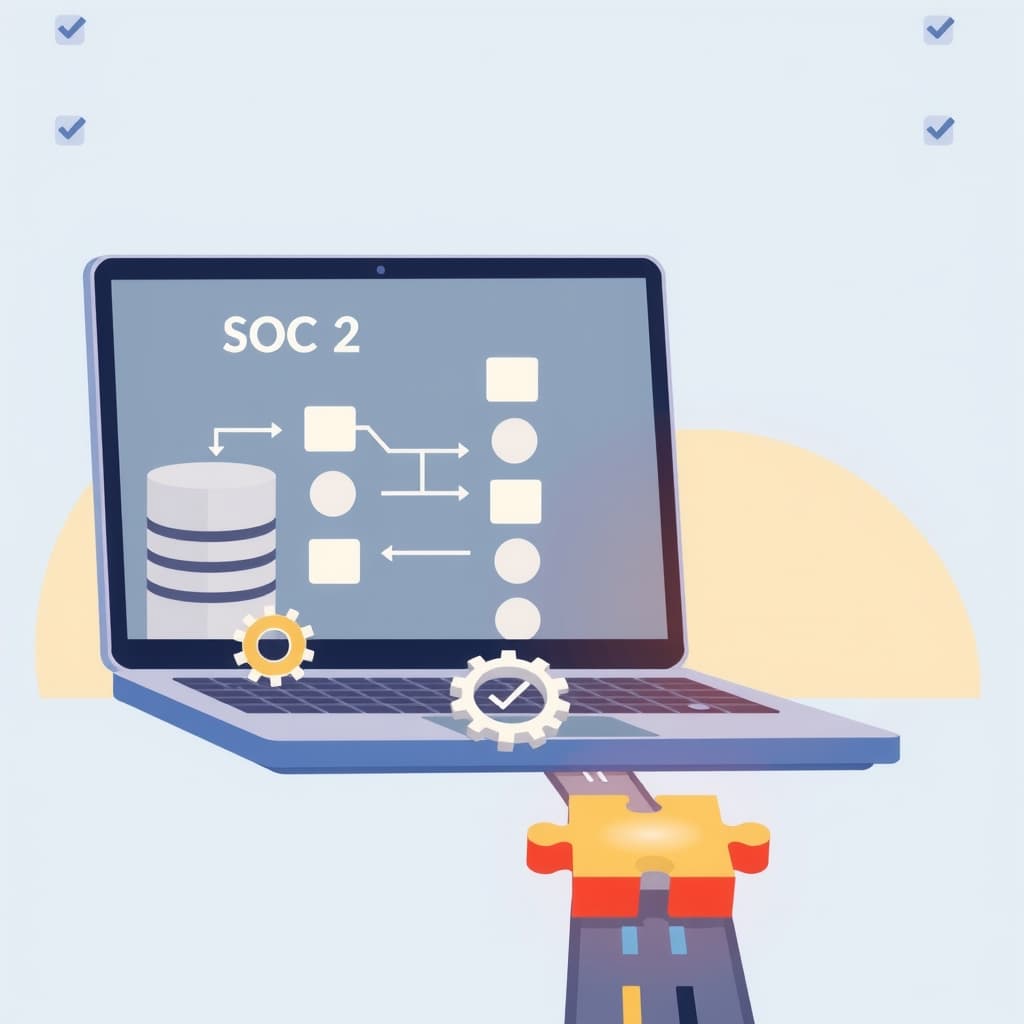
Getting a handle on compliance before you’re forced to scramble can be a decisive competitive edge for a growing SaaS business. This SOC 2 readiness checklist walks founders, product leaders, and ops managers through the practical steps you need to take now so that the audit becomes a milestone, not a roadblock.
Why SOC 2 Matters Early in a SaaS Journey
Investors and enterprise customers increasingly demand proof that your service protects data and operates reliably. Achieving SOC 2 early signals that you’ve built security, availability, and privacy into the product DNA rather than bolting it on later. This reduces the cost of retro‑fitting controls, shortens sales cycles, and protects you from costly breach fallout. Moreover, a proactive approach aligns with the product development rhythm of modern SaaS: each sprint can incorporate a compliance story, turning what feels like a heavyweight audit into a series of incremental improvements. Early alignment also helps you choose the right development model—whether fixed‑price or time‑and‑materials—by clarifying the effort needed for secure architecture, logging, and monitoring.
Understanding the Five Trust Service Criteria
SOC 2 audits evaluate controls against five Trust Service Criteria (TSC): Security, Availability, Processing Integrity, Confidentiality, and Privacy. Security is the baseline—protecting against unauthorized access. Availability ensures the system is up and running as promised. Processing Integrity checks that data is processed accurately and completely. Confidentiality covers protection of proprietary or sensitive information, while Privacy focuses on personal data handling in line with regulations. Not every SaaS needs all five; you can scope the audit to the criteria most relevant to your market. Mapping each criterion to concrete user stories—such as “as an admin I can revoke access instantly” for Security—helps translate abstract requirements into actionable development tasks.
Mapping Your Current Controls to SOC 2 Requirements
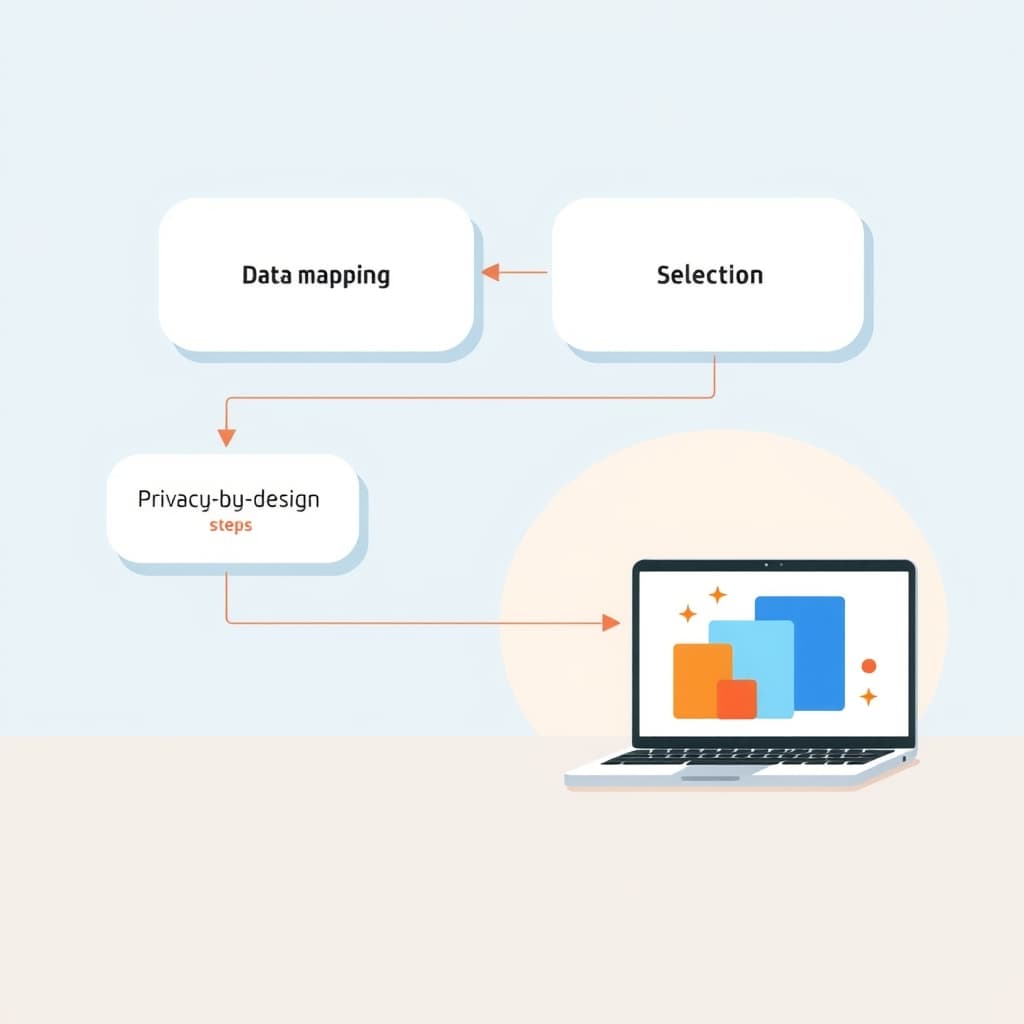
Start by inventorying existing technical and administrative safeguards: IAM policies, encryption at rest, incident‑response playbooks, and service‑level monitoring dashboards. Then align each control with the relevant TSC. For example, multi‑factor authentication maps to Security, while automated failover mechanisms map to Availability. Use a simple spreadsheet or a lightweight GRC tool to capture the control name, description, responsible owner, and evidence type (log excerpt, policy document, screenshot). This visual map reveals where you already meet SOC 2 expectations and where you have blind spots. It also surfaces cross‑functional ownership—security may sit with engineering, while privacy often involves legal or compliance leads.
Prioritizing Gaps: Quick Wins vs. Long‑Term Investments (SOC 2 readiness checklist)
Not every gap warrants a multi‑month project. Identify “quick wins” that deliver high audit value with minimal effort: enabling MFA, rotating encryption keys quarterly, or adding automated backup verification scripts. These typically require configuration changes or a few lines of code and can be completed within a sprint. Longer‑term investments include building a centralized logging pipeline, implementing role‑based access controls across micro‑services, or designing a custom audit‑ready data retention framework. Rank gaps by impact (risk reduction, audit relevance) and effort (person‑days). Plot them on an effort‑vs‑impact matrix to decide which items to tackle first. This disciplined approach keeps the compliance roadmap aligned with product milestones and budget constraints.
Building a Documentation Pipeline That Scales
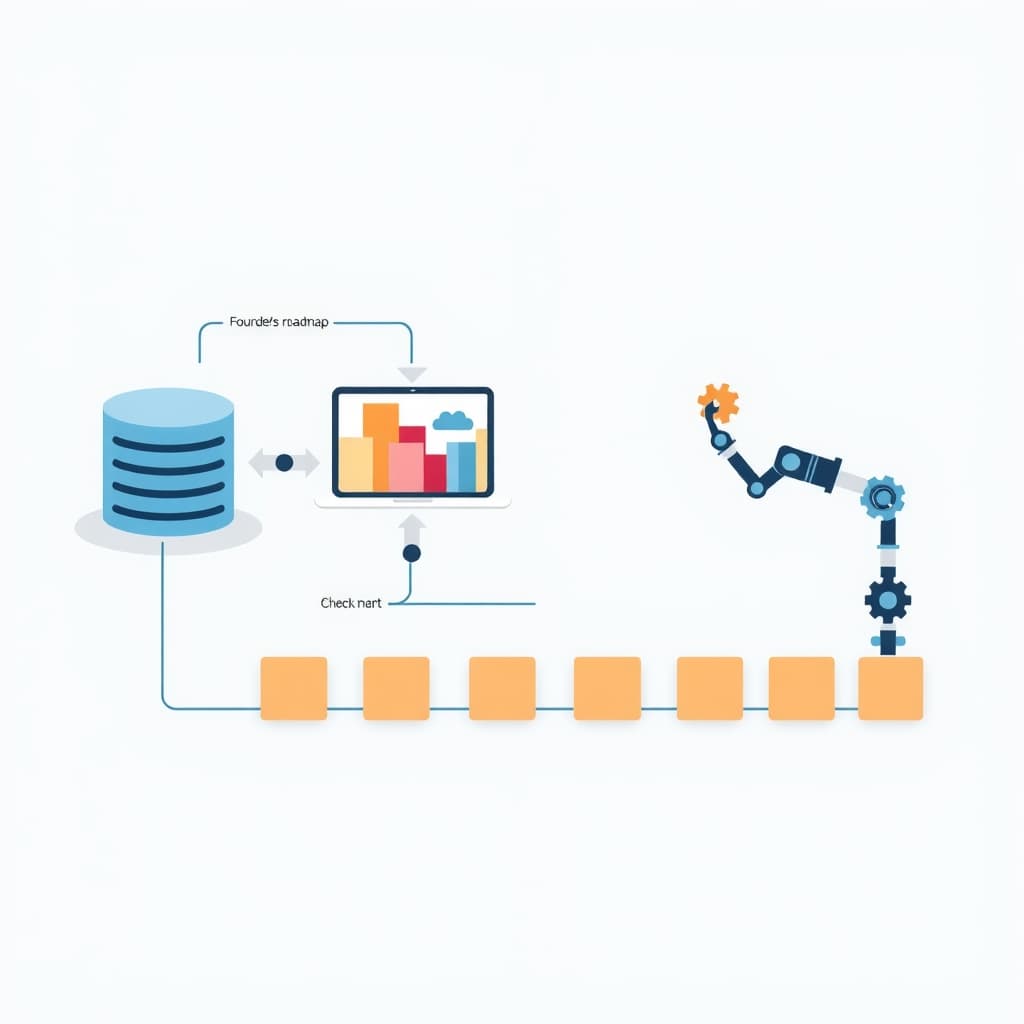
Documentation is the lifeblood of any SOC 2 audit. Instead of treating it as a one‑off task, embed documentation creation into your CI/CD workflow. For each new feature, require a brief control note that explains the security implication, the implemented safeguard, and where evidence lives (e.g., a log file path). Store these notes in a version‑controlled repository alongside code. Use automated scripts to pull configuration files, Terraform plans, or OpenAPI specs into a central “evidence vault.” Periodically run a documentation health check—similar to a linting step—to flag missing entries. This pipeline ensures that as your codebase grows, your compliance artifacts grow with it, reducing the manual effort before the auditor arrives.
Running an Internal Readiness Audit Before the Auditor
Before you invite a CPA firm, conduct a mock audit with an internal cross‑functional team. Assign roles: a lead auditor (often a senior engineer), evidence collectors (product managers), and reviewers (ops leads). Walk through each control on your mapping spreadsheet, verify that the evidence is current, and record any discrepancies. Use a checklist format to capture findings, then prioritize remediation. This rehearsal uncovers hidden gaps—such as outdated password policies or missing log retention settings—while giving your team confidence in the audit flow. Document the mock audit results and the remediation plan; they become valuable artifacts that demonstrate proactive governance to the external auditor.
Common Pitfalls for Early‑Stage SaaS and How to Avoid Them
First‑time founders often stumble over three recurring issues. 1. Over‑scoping the audit. Targeting all five TSCs when only Security and Availability matter inflates effort and cost. Define the scope early based on customer contracts. 2. Treating compliance as a checklist rather than a culture. When security becomes a “done” ticket, maintenance lapses. Embed security reviews in sprint retrospectives. 3. Ignoring third‑party risk. SaaS products rely on cloud providers, payment gateways, and analytics tools. Ensure you have vendor SOC 2 reports and include them in your risk register. Addressing these pitfalls early prevents costly rework and keeps the compliance journey aligned with product velocity.
Next Steps: From Checklist to Successful SOC 2 Audit
With the SOC 2 readiness checklist complete, transition to the formal audit phase. Choose an auditor with SaaS experience and share your control map, evidence vault, and mock audit report upfront. Schedule a kickoff meeting to confirm scope, timeline, and deliverables. During the fieldwork, respond promptly to evidence requests and keep the communication channel open. After the audit, review the SOC 2 report with your leadership team, translate any findings into a remediation backlog, and integrate the lessons into your product roadmap. This iterative loop turns compliance into a continuous improvement engine rather than a one‑off project.
Get Expert Help – How SiteFusion Can Accelerate Your Compliance Roadmap
SiteFusion specializes in building secure, audit‑ready SaaS platforms at speed. Our full‑stack Next.js/React teams embed compliance engineers who can design role‑based access controls, automated logging pipelines, and privacy‑by‑design data flows. We also offer ongoing post‑launch support to keep your controls current as you scale. Browse our portfolio to see how we’ve helped other B2B SaaS founders achieve SOC 2 without derailing product delivery. Let us turn your compliance roadmap into a predictable, repeatable process.
Ready to accelerate your SOC 2 journey? Book a call with SiteFusion and turn compliance into a growth catalyst.