Why a Privacy Compliance Roadmap Matters for Scaling SaaS
When a SaaS startup moves from a handful of customers to enterprise contracts, data exposure risk grows exponentially. A privacy compliance roadmap gives founders a clear sequence of actions—from inventorying data assets to proving compliance to regulators—so that growth does not outpace protection. Without a roadmap, teams tend to address privacy reactively, leading to patchwork controls, missed deadlines, and costly fines that can erode investor confidence. A structured roadmap also aligns product, engineering, and ops around a shared language of risk, making it easier to prioritize features that respect user privacy while still delivering value. Moreover, investors and partners increasingly ask for documented compliance processes before signing contracts, especially in regulated verticals like fintech or health tech. By embedding privacy into your scaling plan, you turn a potential obstacle into a competitive advantage that reassures customers and accelerates market adoption.
Assessing Your Current Data Landscape: Mapping Collection, Storage, and Flow
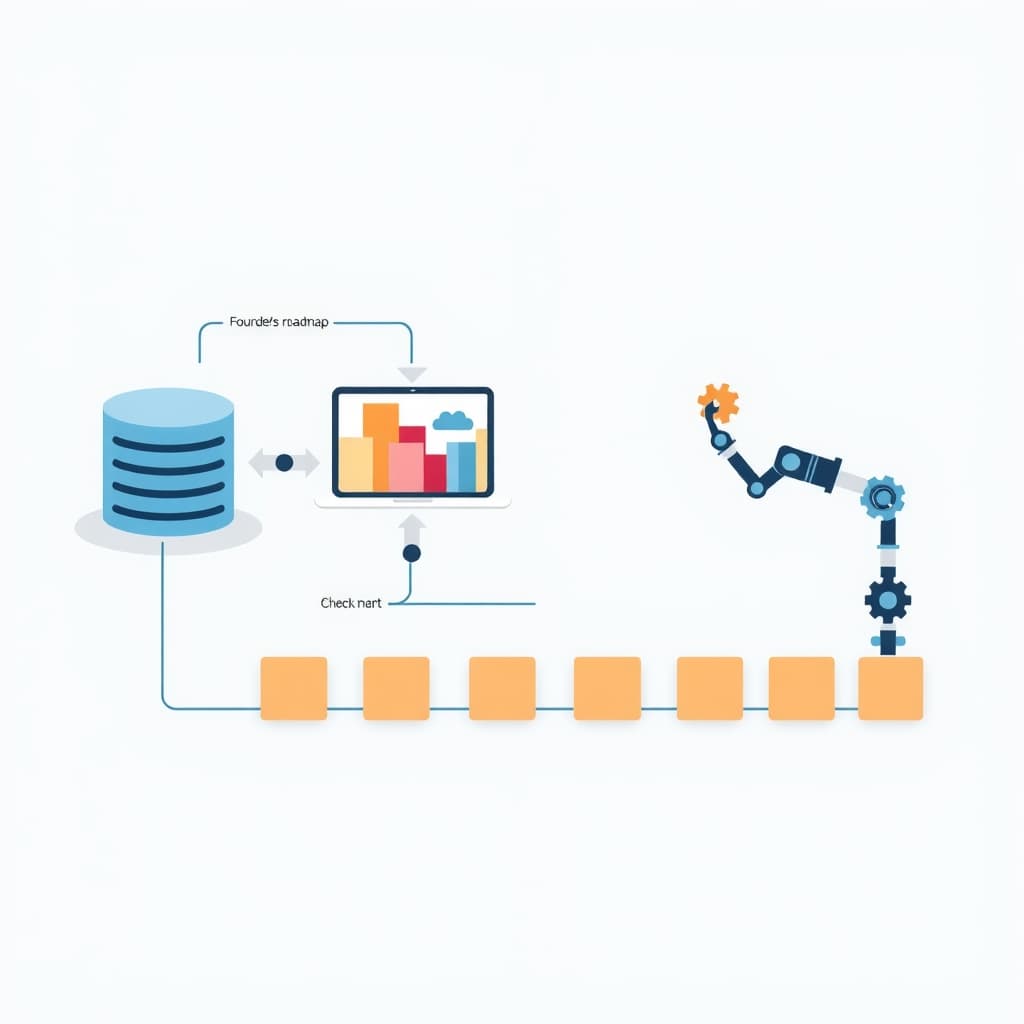
The first concrete step in any privacy compliance roadmap is a data map. Begin by cataloguing every point where personal data enters your system—sign‑up forms, third‑party integrations, support tickets, and analytics scripts. Next, document where that data lives: relational databases, object stores, log files, or backup vaults. Finally, trace the flow between services, especially across micro‑services or external APIs. Visual tools like flow diagrams or data‑lineage platforms help non‑technical stakeholders grasp the scope quickly. During this exercise, flag data that is unnecessary for core functionality; this will become the focus of later minimization efforts. A thorough map also reveals hidden data silos that could become audit liabilities and informs the design of automated controls for future data handling.
Choosing the Right Legal Framework: GDPR, CCPA, and Emerging Regulations
Not every regulation applies to every SaaS business, but the most common ones—GDPR in the EU, CCPA in California, and newer statutes such as Brazil’s LGPD—set the baseline for privacy expectations. Start by identifying the jurisdictions of your customers; a single EU client triggers GDPR obligations, while a US‑based enterprise may invoke CCPA or state‑level laws. Compare the core principles: consent, data subject rights, breach notification timelines, and accountability mechanisms. Emerging regulations, like Washington’s privacy act or Kenya’s data protection law, often mirror GDPR’s structure, so building a flexible compliance foundation now reduces future rework. Document which frameworks you’ll comply with and map their requirements to the data inventory you created earlier, ensuring no gap between legal duty and technical reality.
Designing Privacy‑by‑Design Architecture: Data Minimization and Segmentation
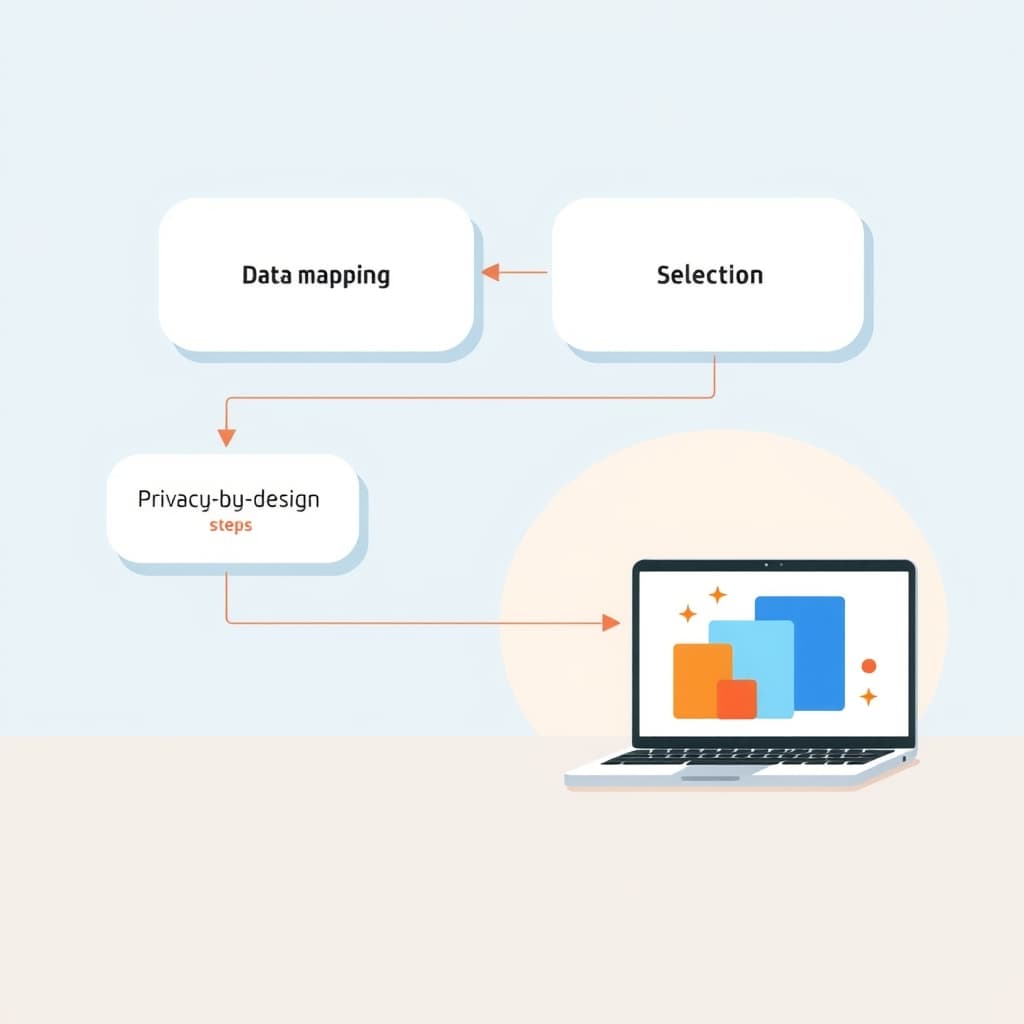
Privacy‑by‑design means embedding protection into the system architecture from day one, rather than bolting it on later. Begin with data minimization: only collect fields that are essential for the user’s intended outcome. Where optional data is useful, make it truly opt‑in and store it in a separate, low‑privilege segment. Segmentation also aids multi‑tenant isolation; each tenant’s data resides in a distinct schema or encrypted bucket, limiting cross‑tenant exposure. Apply the principle of least privilege to services: a billing micro‑service should never see raw user activity logs. When designing APIs, use scoped tokens that convey only the permissions needed for a given call. This approach reduces the attack surface and simplifies audit evidence, because you can demonstrate that unnecessary data never existed in the first place. For a concrete example of secure design, see our guide on how to design a secure B2B partner portal for scaling ops.
Implementing Technical Controls: Encryption, Access Controls, and Auditing
With the architecture defined, the next phase of the privacy compliance roadmap focuses on technical safeguards. Encrypt data at rest using industry‑standard algorithms (AES‑256 is a common baseline) and enforce TLS for all data in transit. Access controls should be role‑based, with multi‑factor authentication for privileged accounts and regular review of permission matrices. Logging is equally critical: every read, write, or export operation must generate an immutable audit record that includes who performed the action, when, and from where. Centralize logs in a tamper‑evident system such as a SIEM, and retain them for the period required by your chosen legal frameworks. Automated tools can flag anomalous access patterns, reducing the time to detect potential breaches. If you need ongoing assurance after launch, consider our post‑launch support service to keep controls up to date as your product evolves.
Building an Ongoing Compliance Process: Policies, Training, and Incident Response
Compliance is not a one‑time project; it requires a living process. Draft clear, concise policies that cover data handling, retention, and breach notification, and make them accessible to every employee. Conduct role‑specific training at onboarding and refresh it quarterly—technical staff need deep dives on encryption and access reviews, while sales and support focus on consent handling and data subject requests. Establish an incident response playbook that outlines detection, containment, notification, and post‑mortem steps, assigning owners for each stage. Regular tabletop exercises help the team rehearse the plan and uncover gaps before a real event. By institutionalizing these practices, you turn privacy compliance into a cultural norm rather than a checklist item, which in turn improves overall operational resilience.
Preparing for Audits and Security Questionnaires: Documentation and Evidence
Auditors and prospective enterprise customers will ask for concrete proof that your privacy controls work. Assemble a compliance repository that includes the data map, policy documents, risk assessments, and records of technical controls (e.g., encryption keys rotation logs). Use a version‑controlled system so you can demonstrate change history. When responding to security questionnaires, reference specific artifacts—link to the encryption policy, attach a screenshot of role‑based access dashboards, and provide breach‑response drill reports. Organize evidence by framework (GDPR, CCPA, etc.) to streamline review. A well‑structured documentation set not only speeds up audits but also builds trust with partners who can see exactly how you safeguard their data.
Measuring Success: KPIs and Continuous Improvement
To know whether your privacy compliance roadmap is delivering value, track a handful of key performance indicators. Common KPIs include the time to fulfill data subject access requests, the percentage of data fields classified as “non‑essential” that have been eliminated, and the number of unauthorized access attempts detected versus resolved. Another useful metric is audit readiness score—a composite rating based on the completeness of documentation, test coverage, and recent remediation actions. Review these KPIs monthly and set incremental targets; a 10‑15% reduction in request turnaround time each quarter is a realistic goal for most growing SaaS firms. Use the insights to prioritize technical debt, refine policies, and justify further investment in privacy tooling.
Next Steps: Partnering with Experts to Accelerate Your Compliance Journey
Building a privacy compliance roadmap in-house is feasible, but the speed and depth of execution often determine market success. Experienced partners can help you fast‑track data mapping, validate architectural decisions, and conduct third‑party audits that carry weight with regulators. At SiteFusion we combine full‑stack development expertise with a proven compliance methodology, delivering custom solutions that align with your product roadmap. Review our portfolio of products to see how we’ve helped other B2B SaaS companies embed privacy from day one. If you’re ready to move from planning to implementation, schedule a discovery call today.
By following the steps outlined above, you’ll turn privacy from a compliance checkbox into a growth engine. Book a call with SiteFusion to start building a privacy compliance roadmap that scales with your business.