Choosing the right engagement model can make or break a software initiative. For founders and product leaders weighing options, understanding the nuances of fixed-price vs time and materials is essential before you sign a contract. This guide walks through the trade‑offs, hidden costs, and decision criteria so you can align the model with your product’s risk profile, timeline, and budget.
Understanding Fixed-Price vs Time and Materials: The Two Primary Pricing Models
In a fixed-price arrangement the scope, deliverables, and total cost are agreed up front. The vendor assumes most of the execution risk; you pay a single, predictable amount regardless of how many hours the work actually consumes. By contrast, a time‑and‑materials (T&M) contract bills you for the actual hours spent and the resources used, often at a pre‑negotiated rate. This model shares risk more evenly, allowing the team to adapt to new insights or changing requirements. Both models can be structured with milestones, change‑order processes, and performance guarantees, but the way you manage scope, communication, and expectations differs dramatically. Understanding these fundamentals helps you map the model to your product’s maturity, the clarity of your requirements, and the level of flexibility you need.
When Fixed-Price Works Best: Scope, Budget, and Risk
A fixed-price contract shines when the problem space is well‑defined and the solution can be broken into discrete, measurable features. If you have a clear MVP definition—think of the guidance in our MVP Scoping Strategies for Founders to Scale post—you can lock down acceptance criteria, design mock‑ups, and a realistic timeline before any code is written. This predictability protects the budget and simplifies internal approvals, especially for finance‑driven stakeholders. Fixed-price also reduces administrative overhead because invoicing follows pre‑set milestones rather than weekly timesheets. However, the model works best when change requests are minimal; each deviation typically triggers a formal change order that can erode the original price advantage. For products that must launch on a hard deadline—such as a regulatory compliance portal—or when you need to demonstrate cost certainty to investors, fixed-price often delivers the most confidence.
When Time & Materials Works Best: Flexibility and Iteration
Time & materials is the natural fit for projects that evolve rapidly, where discovery, prototyping, and user testing are integral to the development cycle. If your product roadmap anticipates frequent pivots—common in AI‑driven features or complex B2B integrations—the ability to allocate additional engineering hours without renegotiating the entire contract is invaluable. T&M also accommodates emerging technical debt, performance tuning, or unexpected third‑party API challenges, such as those discussed in our Ensuring API Integration Reliability in Growing SaaS Products article. The model encourages transparent collaboration; the vendor provides detailed timesheets and progress reports, allowing you to steer the effort in real time. While the total spend is less predictable, the trade‑off is a higher degree of alignment with market feedback and a reduced risk of building the wrong thing.
Key Decision Factors: Scope Clarity, Change Management, and Timeline
Three pillars should guide your choice: how clearly you can define scope, how you’ll handle change, and the rigidity of your timeline. If you can produce a detailed functional specification, wireframes, and acceptance tests, fixed-price reduces negotiation friction. Conversely, if your user stories are still fluid or you expect regulatory shifts, T&M offers the elasticity to incorporate new requirements without contract amendments. Change management processes differ as well: fixed-price contracts usually require formal change orders that can delay delivery, while T&M contracts rely on agile backlog grooming and sprint reviews. Timeline considerations also matter; a hard launch date may push you toward fixed-price to lock resources, whereas a phased rollout with continuous improvement aligns better with T&M. Weigh each factor against your organization’s risk tolerance and governance structure before deciding.
Hidden Costs and How to Guard Against Them
Both models conceal potential cost overruns if you’re not vigilant. In fixed-price deals, vendors may under‑estimate effort, leading to reduced quality, rushed testing, or hidden “out‑of‑scope” fees. To guard against this, demand a detailed breakdown of assumptions, include quality gates, and negotiate a reasonable contingency clause. In T&M contracts, the primary hidden cost is inefficiency—hours billed for rework, over‑engineering, or prolonged discovery. Mitigate this by setting clear hourly rates, caps on weekly spend, and regular performance reviews. Additionally, watch for indirect expenses such as third‑party licenses, cloud usage, or data migration fees, which can appear in both models. A transparent reporting cadence—weekly or bi‑weekly—helps you spot variance early and take corrective action before it balloons.
Negotiating Contract Terms for Both Models
Effective negotiation starts with aligning incentives. For fixed-price, tie payments to milestone acceptance and include a defect‑resolution period that obligates the vendor to fix issues at no extra cost. Consider a “price‑adjustment” clause if scope expands beyond a predefined tolerance, typically 10‑15 % of the original budget. For T&M, negotiate a ceiling or “not‑to‑exceed” amount to cap exposure, and request detailed timesheet transparency. Include a clause that mandates regular sprint demos and retrospective reviews, ensuring you retain visibility into progress. Both models benefit from a clear intellectual property (IP) assignment, warranty period, and post‑launch support—our post‑launch support service can be bundled as a separate line item to avoid surprise costs after go‑live. Finally, embed a termination clause that defines notice periods and any associated fees, giving you an exit strategy if the partnership falters.
Case Study: Switching from Fixed-Price to T&M Mid‑Project
One of our logistics clients began a fixed-price build for a custom dispatch dashboard. Midway through, regulatory changes required new data‑privacy workflows and real‑time carrier integrations that were not in the original scope. The vendor’s change‑order process added weeks and inflated the budget, threatening the product launch. We facilitated a transition to a T&M model, re‑structuring the team into a dedicated sprint crew. By adopting agile ceremonies and a transparent hourly ledger, the client could prioritize the new compliance features without renegotiating the entire contract. Within two sprints, the dashboard met the updated requirements, and the overall spend stayed within the original fixed‑price estimate plus a modest contingency. The experience underscored the importance of flexibility: when uncertainty is high, T&M can preserve momentum and prevent costly re‑bidding cycles.
Checklist: Choosing the Right Model for Your Next Build
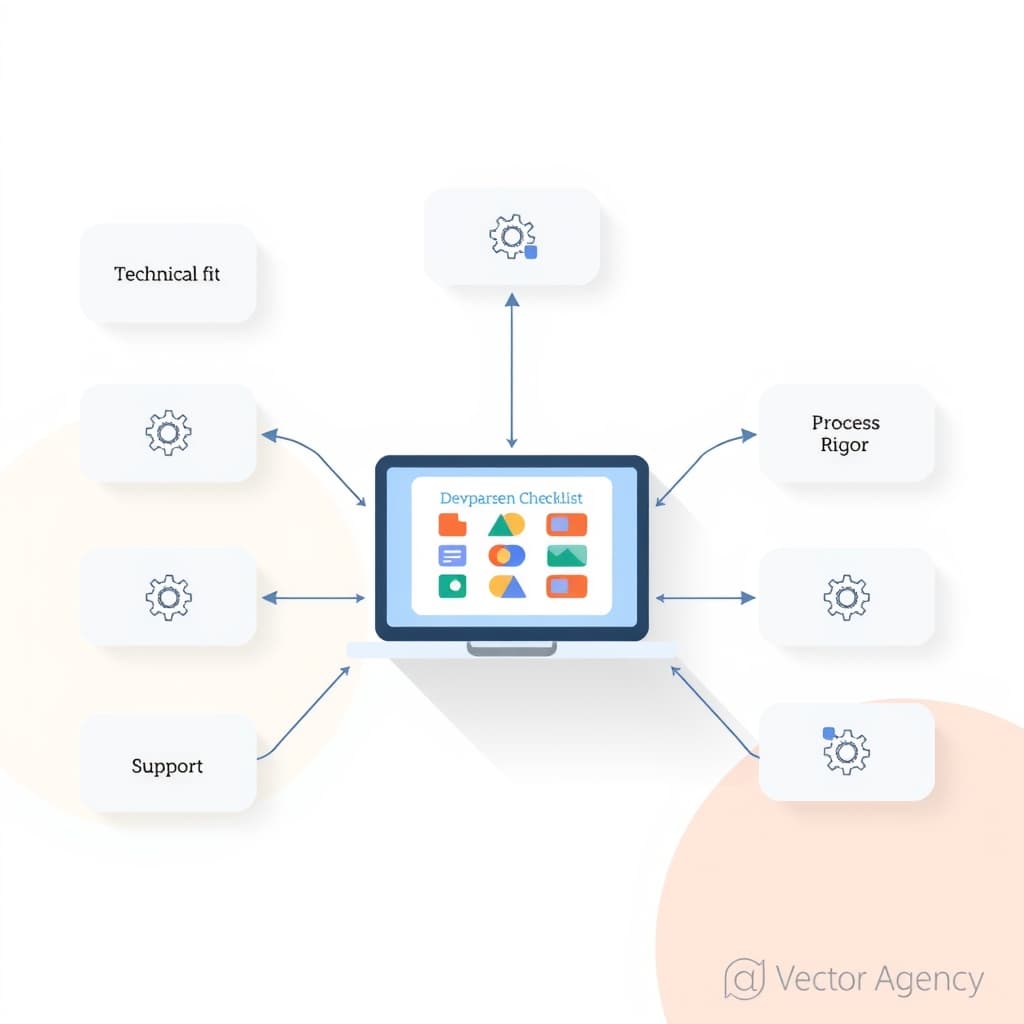
- Scope definition: Is the functional spec complete, or will it evolve?
- Budget certainty: Do you need a fixed number for board approval?
- Timeline rigidity: Is there a hard launch date or a phased rollout?
- Change tolerance: How many scope changes do you anticipate?
- Risk appetite: Are you comfortable sharing execution risk with the vendor?
- Transparency needs: Do you require detailed timesheets and weekly demos?
- Vendor experience: Does the partner have a proven track record with the chosen model?
Conclusion & CTA: Get a Free Partner Fit Assessment
Both fixed-price and time‑and‑materials have distinct strengths; the right choice hinges on how clearly you can define scope, how much flexibility you need, and the level of risk you’re willing to assume. By applying the decision factors, guarding against hidden costs, and negotiating clear terms, you set the stage for a successful partnership. Ready to align your development model with your product goals? Explore our broader overview of vendor selection in the Hiring a Dev Partner guide, then book a free partner fit assessment with SiteFusion. We’ll help you decide whether a fixed-price contract, a T&M engagement, or a hybrid approach best fits your next build.