Getting your SOC 2 readiness checklist right early can save months of re‑work, keep investors confident, and open doors to enterprise contracts. In this guide we walk SaaS founders, product leaders, and ops managers through every step—from understanding the trust criteria to turning compliance into a growth engine.
Why SOC 2 Matters for Early‑Stage SaaS – SOC 2 readiness checklist
Early‑stage SaaS companies often think SOC 2 is a “later‑stage” concern, but the reality is different. Prospects in regulated industries—fintech, health, or government—frequently require evidence of security and privacy before signing a contract. Demonstrating compliance early shortens sales cycles and reduces legal friction. Moreover, the audit forces you to codify processes that otherwise live in ad‑hoc spreadsheets, improving operational resilience as you scale. Even if you’re not yet enterprise‑ready, a lightweight SOC 2 program builds a culture of accountability that pays dividends when you add new features or onboard more customers. In short, treating SOC 2 as a strategic milestone rather than a checkbox aligns security, product, and growth goals from day one.
Understanding the Five Trust Service Criteria
SOC 2 evaluates controls against five trust service criteria (TSC): Security, Availability, Processing Integrity, Confidentiality, and Privacy. Security is the baseline—protecting systems against unauthorized access. Availability measures uptime and disaster‑recovery capabilities, crucial for SaaS SLAs. Processing Integrity ensures that data is processed accurately, completely, and in a timely manner. Confidentiality covers encryption and access restrictions for sensitive data, while Privacy focuses on personal data handling in line with regulations such as GDPR. Not every SaaS product needs to address all five; you can scope the audit to the criteria that matter to your customers. However, understanding each TSC helps you map existing safeguards and spot gaps before the auditor does. Think of the criteria as a lens: each one reveals a different facet of your risk posture that must be documented and, where needed, fortified.
Mapping Your Current Controls to SOC 2 Requirements
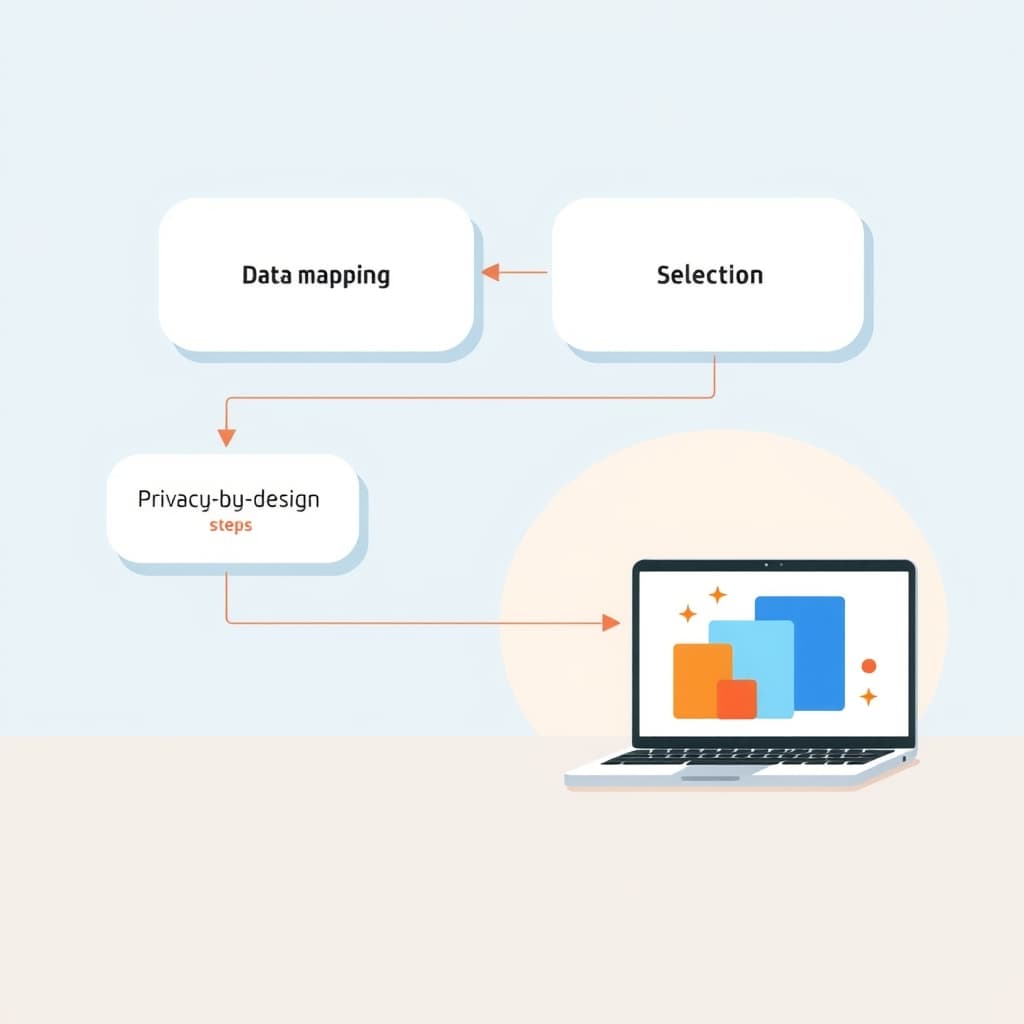
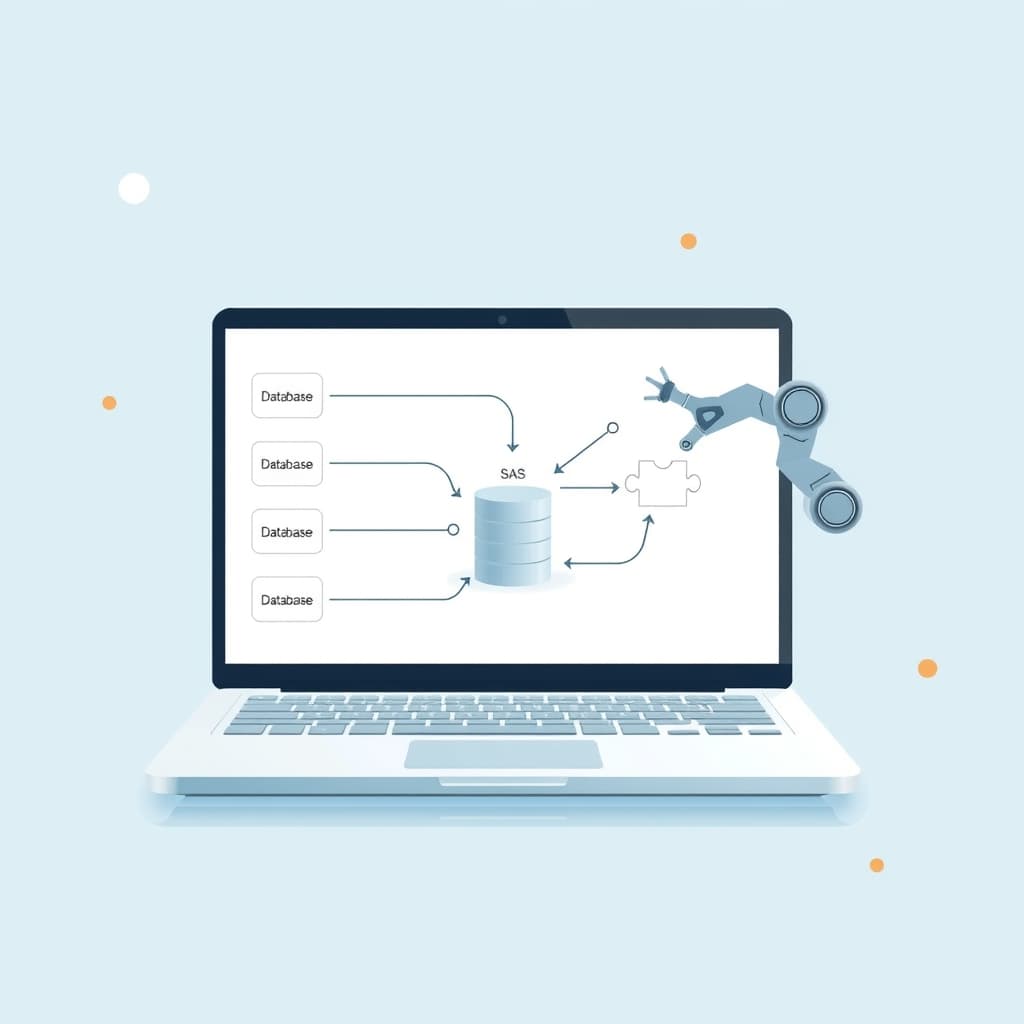
The first practical step is a control inventory. List every security‑related policy, tool, and process—firewall rules, CI/CD pipelines, incident‑response runbooks, access‑management procedures, and data‑encryption standards. Then align each item with the relevant TSC. For example, your role‑based access control (RBAC) policy maps to the Security criterion, while your automated backup schedule ties to Availability. Use a simple spreadsheet or a dedicated governance tool to capture this mapping; the visual matrix becomes the backbone of your audit evidence. As you map, you’ll notice redundancies (multiple tools solving the same problem) and gaps (missing logs for privileged actions). This exercise also surfaces low‑effort improvements—like enabling MFA on admin accounts—that instantly boost your compliance posture. Remember, the goal isn’t to create a perfect list overnight but to establish a clear, auditable connection between what you do today and what SOC 2 expects.
Prioritizing Gaps: Low‑Effort Wins vs. High‑Impact Controls
Not all gaps are created equal. Start by classifying each deficiency as a “low‑effort win” (quick configuration changes, policy updates) or a “high‑impact control” (architectural redesign, new monitoring platform). Low‑effort wins often deliver immediate audit value—for instance, tightening password policies or adding log retention for 90 days. High‑impact controls, such as implementing a centralized SIEM or redesigning multi‑tenant data isolation, require more budget and time but dramatically reduce risk. Prioritization should consider three dimensions: effort, risk reduction, and customer impact. Plot each gap on a 2 × 2 matrix; focus first on low‑effort, high‑risk items that unlock the most credibility with prospects. Then allocate resources to high‑impact controls that align with your product roadmap. This disciplined approach keeps the SOC 2 readiness checklist manageable while ensuring you invest where it matters most.
Building a Minimal Viable SOC 2 Program (People, Process, Tech)
A lean SOC 2 program mirrors the MVP mindset you use for product development. Identify a champion—often the CTO or Head of Security—who owns the compliance agenda. Assemble a cross‑functional team: engineering for technical controls, product for data‑flow mapping, and ops for incident response. Define three core processes: (1) control design and documentation, (2) continuous monitoring, and (3) periodic review. Technically, start with a unified logging solution, automated backup verification, and a configuration‑management database (CMDB) to track assets. Leverage existing tools—GitHub Actions for pipeline security, Terraform for infrastructure as code, and your chosen cloud provider’s native IAM—to avoid building from scratch. The result is a “minimal viable SOC 2” framework that can be iterated upon, just like a product MVP, and that provides a solid foundation for the full audit later.
Preparing Evidence and Documentation for Auditors
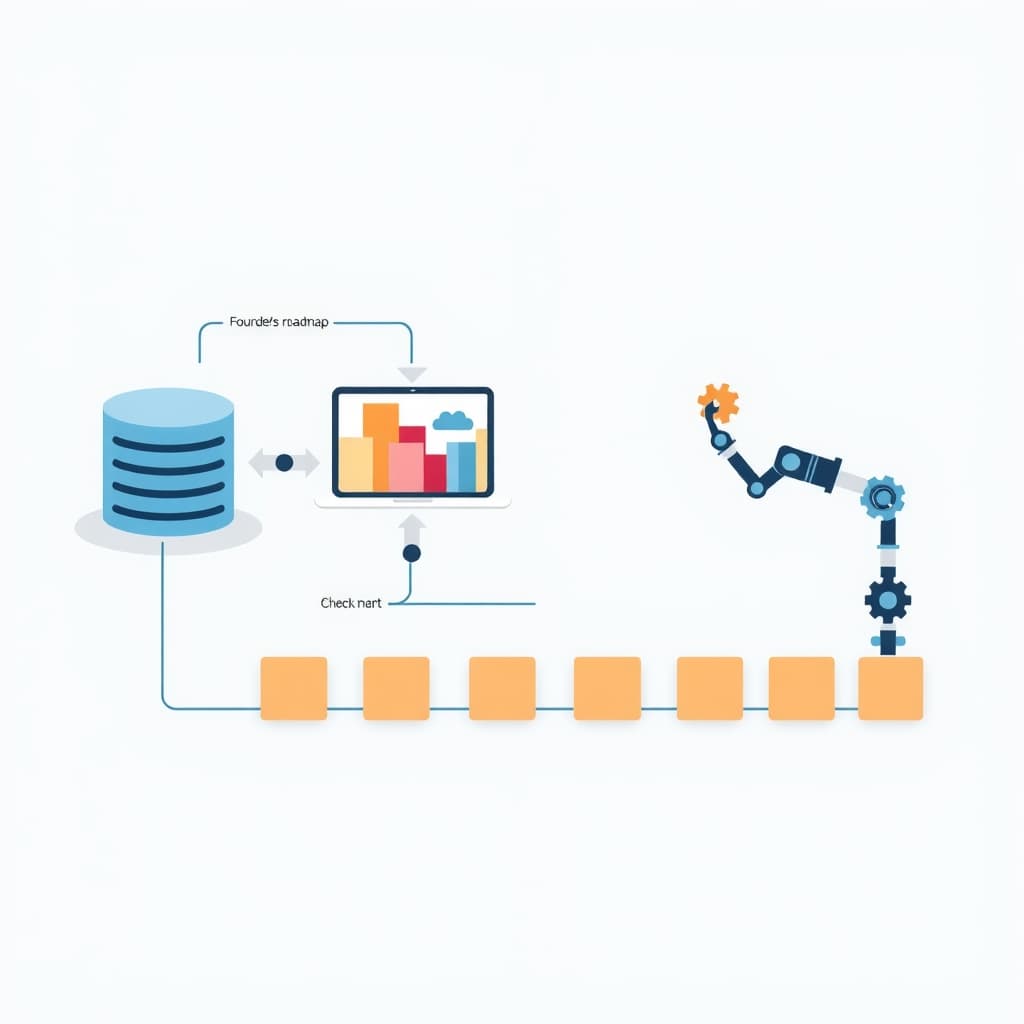
Auditors live on evidence. For each control you’ve mapped, gather the corresponding artifact: policy documents, configuration screenshots, log excerpts, or tool‑generated reports. Store everything in a secure, version‑controlled repository—Git or a dedicated compliance vault—so you can produce a clean audit trail. Use a consistent naming convention (e.g., SEC‑001‑Access‑Control‑Policy.pdf) to make retrieval painless. Where manual evidence is required, create templates that team members can fill out quickly, such as an incident‑response post‑mortem report. Don’t forget to include “process” evidence like meeting minutes for change‑management boards. A well‑organized evidence library not only speeds up the audit but also becomes a living knowledge base for new hires and future compliance cycles. As a practical tip, link your evidence collection to the API Integration Reliability Checklist to ensure that data pipelines are covered under both reliability and security scopes.
Running a Pre‑Audit Self‑Assessment and Mock Review
Before inviting a CPA firm, conduct a self‑assessment using the same framework the auditor will apply. Walk through each control, verify that the documented evidence matches the actual implementation, and note any discrepancies. A mock review—ideally with an external consultant or a senior engineer who wasn’t involved in the control design—adds objectivity. Simulate auditor questions: “How do you detect unauthorized access?” and practice concise, evidence‑backed answers. Capture findings in a remediation plan with owners, due dates, and status indicators. This rehearsal often uncovers hidden gaps, such as undocumented third‑party SaaS integrations, allowing you to fix them before the real audit. Treat the mock review as a sprint: set a two‑week timeline, allocate capacity, and close the most critical issues before the official audit window opens.
Post‑Audit: Maintaining Compliance as You Scale
Passing the audit is not the endgame; compliance is an ongoing discipline. Establish a quarterly review cadence where the compliance champion revisits each control, updates documentation, and validates evidence against the latest system state. Automate continuous monitoring wherever possible—use cloud security posture management (CSPM) tools to alert on drift, and integrate log‑analysis pipelines that feed directly into your evidence repository. As you add new features or onboard more customers, perform a scoped impact analysis to determine whether new controls are needed. Align compliance tasks with your post‑launch support processes so that security reviews become part of every release cycle. This proactive stance turns SOC 2 from a periodic audit into a living framework that scales with your product and your market.
Next Steps: Leveraging SOC 2 as a Growth Lever and CTA
With a solid SOC 2 foundation, you can market your SaaS as a trusted partner to enterprise buyers, embed compliance language in sales decks, and negotiate contracts with confidence. Use the audit report as a differentiator on your website, in partner negotiations, and during investor updates. Moreover, the discipline you’ve built—clear documentation, automated monitoring, and cross‑functional ownership—feeds directly into product reliability and customer‑success initiatives. If you need help accelerating any of these steps—whether it’s designing a minimal viable SOC 2 program, automating evidence collection, or integrating compliance into your CI/CD pipeline—our team at SiteFusion can partner with you. Book a call today to discuss how we can turn your SOC 2 readiness checklist into a competitive advantage.