Why a Logistics Automation Playbook Matters for Scaling Companies
When you’re moving from a handful of trucks to a national network, the margin for error shrinks dramatically. A logistics automation playbook gives you a repeatable framework for turning manual, spreadsheet‑driven processes into reliable, data‑centric workflows. It forces you to surface hidden bottlenecks, align cross‑functional teams, and prioritize technology investments that actually move the needle. Without a playbook, each new market or carrier integration becomes a costly experiment, and the operational overhead can outpace revenue growth. By codifying best‑practice patterns—real‑time visibility, rate optimization, dynamic load planning, and automated billing—you create a foundation that scales with volume rather than against it. The result is faster order‑to‑delivery cycles, lower freight spend, and a customer experience that can keep pace with ambitious growth targets.
Tool #1 – Real‑Time Shipment Tracking Dashboard
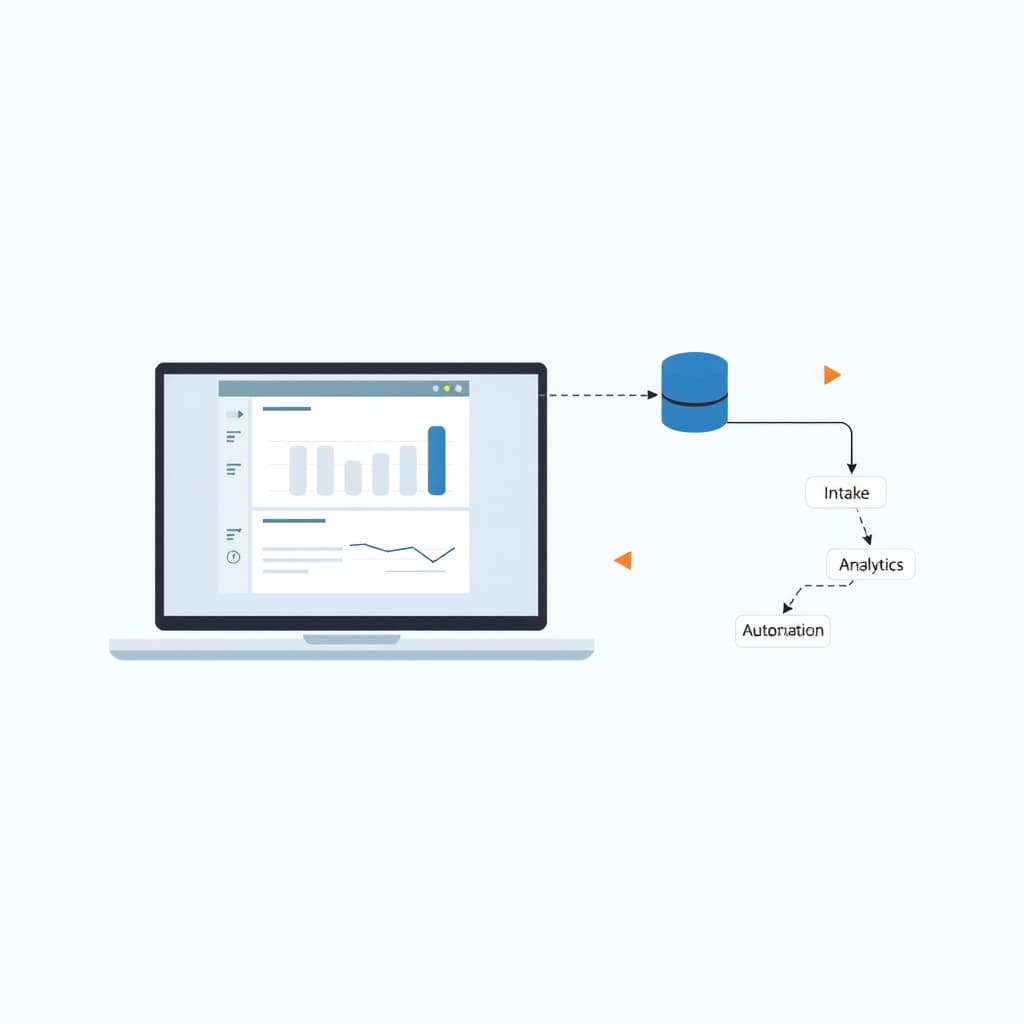
A real‑time shipment tracking dashboard consolidates data from carrier APIs, GPS devices, and IoT sensors into a single, actionable view. Instead of juggling multiple portals, ops teams see every milestone—pickup, in‑transit, customs, delivery—on a live map with status flags and exception alerts. The dashboard should support custom filters (by lane, carrier, or SLA) and enable automated escalation when a shipment deviates from its planned route. By exposing this data to customers via a portal, you also reduce support tickets and improve NPS. Building the dashboard on a modern stack like Next.js ensures fast load times and seamless mobile access, a topic we explore in our Next.js Performance Optimization Playbook for Growing Teams. The key is to treat the dashboard not as a nice‑to‑have UI but as the central nervous system of your logistics operation.
Tool #2 – Automated Carrier Rate Management System
Carrier rates fluctuate daily based on capacity, fuel prices, and market demand. An automated rate management system ingests contract files, spot‑rate feeds, and historical spend to generate a single source of truth for pricing. The system applies business rules—minimum margins, volume discounts, preferred carrier tiers—and surfaces the optimal rate at the moment a shipment is booked. By eliminating manual rate look‑ups, you cut quote latency from minutes to seconds and reduce pricing errors that can erode margins. The system should also provide audit trails for compliance and enable scenario modeling for strategic negotiations. Integrating this tool with your TMS via robust APIs ensures that every new order automatically benefits from the latest rate logic, reinforcing the principles outlined in our Pick the Right API Integration Reliability Pattern for Scaling guide.
Tool #3 – Dynamic Load‑Planning & Dispatch Engine
Dynamic load‑planning replaces static, spreadsheet‑based routing with an engine that optimizes loads in real time. The engine evaluates constraints such as vehicle capacity, driver hours, delivery windows, and traffic patterns to generate the most cost‑effective route plan. When a new order arrives, the engine either fits it into an existing load or triggers a new dispatch, balancing utilization against service level commitments. Advanced engines also incorporate predictive analytics to anticipate capacity gaps and suggest proactive carrier procurement. By automating this decision loop, you increase asset utilization by 10‑15% on average and reduce missed delivery windows. The engine should expose a simple UI for manual overrides and a webhook interface for downstream execution, keeping the dispatch workflow tightly coupled with your tracking dashboard and billing hub.
Tool #4 – Integrated Billing & Settlement Hub
Billing and settlement are often the most error‑prone parts of logistics, especially when multiple carriers, accessorials, and fuel surcharges are involved. An integrated billing hub consolidates freight invoices, carrier contracts, and shipment data to generate accurate, itemized bills automatically. It applies agreed‑upon payment terms, validates rates against the automated rate management system, and flags discrepancies for review. The hub also supports electronic fund transfers and reconciliation dashboards, giving finance teams end‑to‑end visibility. By linking directly to the tracking dashboard, you can trigger invoice generation the moment a delivery is confirmed, shortening the cash conversion cycle. Post‑launch, our post‑launch support services ensure the hub remains compliant with evolving tax regulations and carrier agreements.
Implementation Roadmap: From MVP to Enterprise‑Ready
Start with a Minimum Viable Product that addresses the most painful manual step—typically real‑time tracking. Build a lightweight dashboard using existing carrier APIs and validate adoption with a pilot group. Once the dashboard proves its value, layer on the rate management system, focusing on a single lane or carrier to keep scope manageable. Next, introduce the dynamic load‑planning engine for that lane, iterating based on dispatch feedback. Finally, roll out the integrated billing hub across all lanes, ensuring data pipelines are robust and audit‑ready. Throughout each phase, adopt a “build vs buy” mindset; if a reliable SaaS component exists, consider integration rather than custom development. Use the Build vs Buy No‑Code guide to make informed choices. By the end of the roadmap, you’ll have an enterprise‑ready stack that can be extended horizontally across regions and vertically into new service offerings.
Measuring Success: KPIs and ROI of Your New Logistics Stack
Quantifying the impact of automation is essential for continued investment. Core KPIs include:
- Order‑to‑delivery time – target a 20% reduction.
- Freight cost per mile – measure margin improvement from rate optimization.
- Load utilization rate – aim for 85%+ vehicle fill.
- Invoice accuracy – track exceptions and strive for zero manual adjustments.
- Cash‑to‑cash cycle – monitor days sales outstanding (DSO) after billing automation.
Next Steps & CTA: Partner with SiteFusion to Build Your Custom Solution
Turning the playbook into production‑grade software requires deep domain expertise and a partner that can move from prototype to enterprise scale without sacrificing reliability. SiteFusion specializes in full‑stack Next.js/React development, API integration, and post‑launch support for logistics innovators. We’ll work with you to refine each tool, embed robust monitoring, and align the stack with your growth milestones. Ready to accelerate your logistics operations? Book a call with SiteFusion today and let’s turn your logistics automation playbook into a competitive advantage.