When you’re scaling a startup, the way you pay a development partner can be as decisive as the technology they deliver. Understanding dev partner pricing helps you avoid hidden costs, align incentives, and keep product velocity on track. In this guide we break down the most common pricing structures, show how to match them to your risk tolerance, and give you a checklist for evaluating quotes so you can pick a partner that grows with you.
Why Pricing Models Matter When Selecting a Dev Partner
Pricing isn’t just a line‑item; it shapes the partnership dynamic. A fixed‑bid contract often pushes the vendor to cut corners to stay within budget, while time‑and‑materials (T&M) encourages transparency but can lead to scope creep if not managed. The right model aligns the partner’s financial incentives with your business outcomes, making it easier to measure ROI and maintain momentum. Moreover, the model you choose influences how you plan releases, allocate internal resources, and negotiate change requests. For founders and product leaders, a clear pricing framework reduces surprise invoices and gives you leverage in steering the project toward strategic milestones.
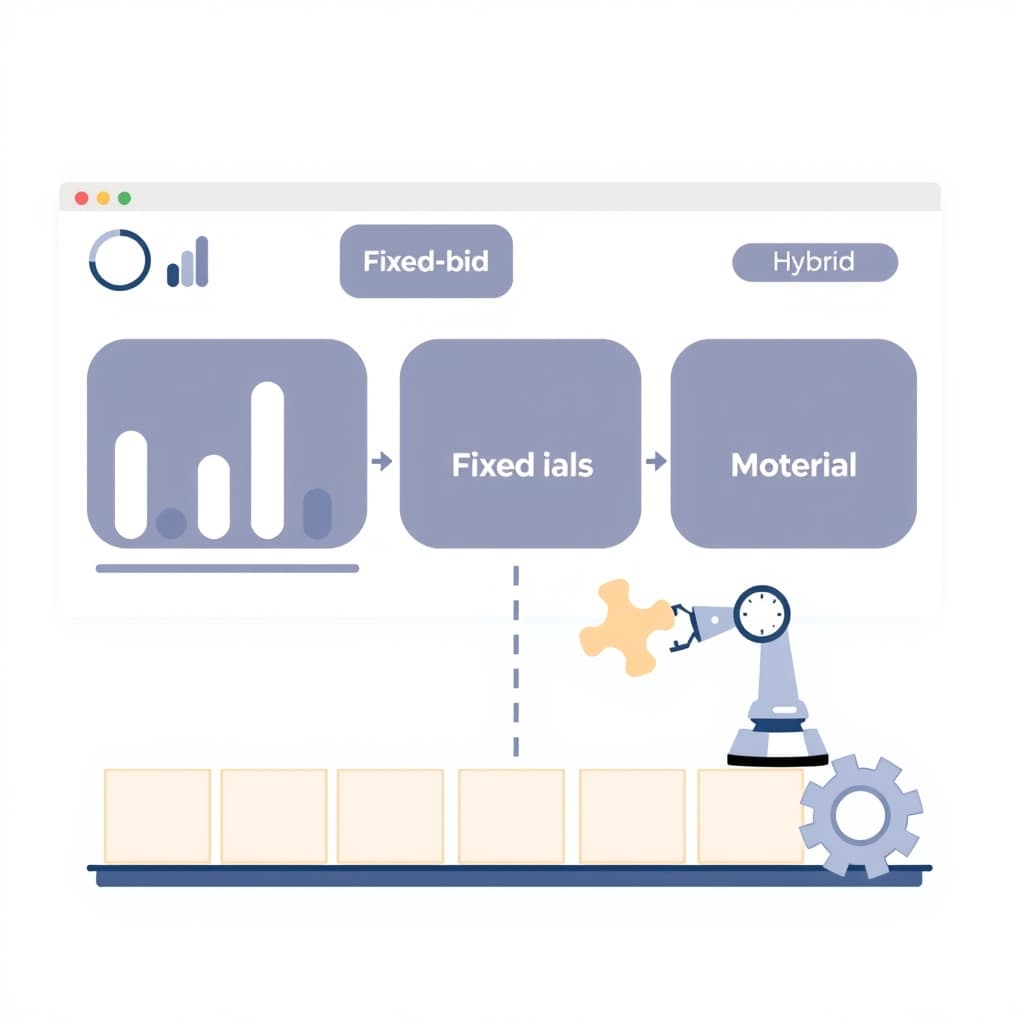
Fixed‑Bid vs. Time‑and‑Materials: Core Differences Explained
In a fixed‑bid arrangement, the scope, timeline, and price are locked up front. It works best for well‑defined projects where requirements are unlikely to shift—think a simple internal dashboard or a static landing page. The upside is predictability; the downside is limited flexibility and potential under‑estimation by the vendor.
Time‑and‑materials, by contrast, bills you for actual hours and resources used. This model shines when the product is complex, the market is evolving, or you anticipate iterative discovery. It offers agility but requires disciplined tracking and a clear change‑management process. Understanding these trade‑offs lets you choose the model that matches the maturity of your product vision and the volatility of your market.
Hybrid Models: When a Mix of Fixed and T&M Works Best
Many scaling startups find a hybrid approach most practical: lock down the architecture and core deliverables with a fixed price, then switch to T&M for phases that involve experimentation, UI refinements, or integration work. For example, you might fix the cost of building a multi‑tenant SaaS onboarding flow, then use T&M for the AI‑driven personalization layer that will evolve as you collect user data.
This blend gives you budget certainty for the foundation while preserving flexibility for innovation. When negotiating a hybrid contract, define clear handoff criteria—such as “completion of MVP architecture” or “delivery of API contract”—so both parties know when the pricing regime changes.
How to Align Pricing with Project Scope and Risk Tolerance
Start by mapping the project's functional scope against its technical uncertainty. High‑certainty items (e.g., unknown third‑party API behavior) merit T&M or a contingency buffer, whereas low‑uncertainty components (e.g., CRUD screens) can be fixed‑bid. Create a risk matrix and assign a pricing bucket to each quadrant.
Next, factor in your organization’s risk appetite. If cash flow is tight, you may prefer a fixed cap with a modest contingency. If you can absorb variance, a T&M model with regular sprint reviews can deliver higher quality. Aligning pricing this way ensures that cost overruns are tied to genuine risk, not to vague “scope changes” that vendors might otherwise claim.
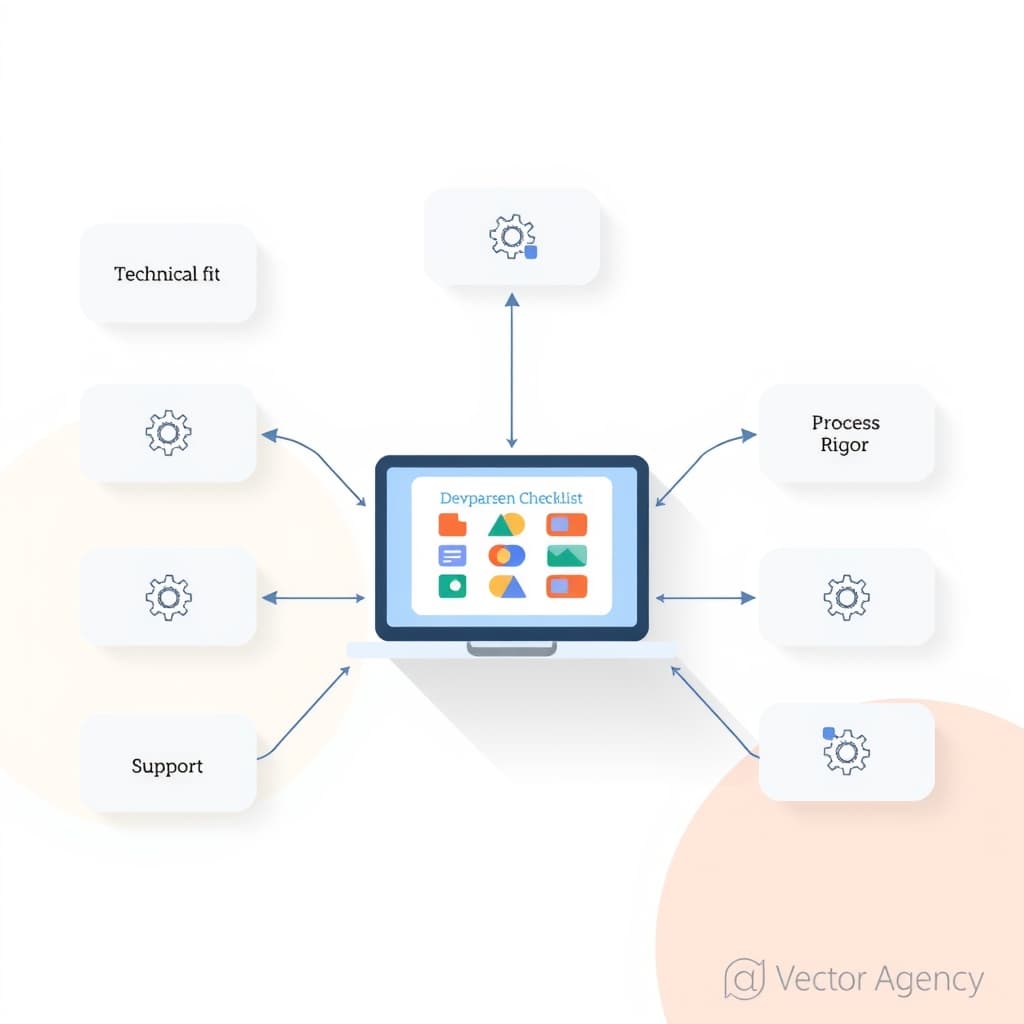
Evaluating a Partner’s Quote: Red Flags and Good Signs
A thorough quote should break down labor, overhead, and any third‑party costs. Red flags include:
- Vague deliverable descriptions or missing milestones.
- Flat rates without justification for skill level or location.
- Excessive “management fees” that inflate the total.
Good signs are the opposite: detailed work breakdowns, clear assumptions, and a risk‑adjusted contingency line. Look for references to past projects similar to yours—our portfolio of products showcases how we handle complex integrations and custom SaaS platforms. Also, a partner who proactively discusses knowledge transfer and post‑launch support demonstrates a long‑term mindset.
Budgeting for Unexpected Changes: Contingency Strategies
Even with the best planning, change is inevitable. Allocate 10‑15 % of the total budget as a contingency fund, but treat it as a managed resource rather than a “catch‑all.” Define triggers for tapping the fund—such as a change in regulatory requirements or a pivot in user flow.
Another tactic is to negotiate “phase‑gates” where the next tranche of work is approved only after the previous phase meets acceptance criteria. This approach, combined with a transparent time‑sheet view, lets you monitor spend in real time and adjust priorities before the budget overruns.
Negotiating Terms That Protect Your Business
Key clauses to negotiate include:
- Scope Change Process: A written procedure that requires written approval for any deviation from the baseline scope.
- Intellectual Property Ownership: Ensure all code and assets are transferred to you upon payment.
- Performance Milestones: Tie a portion of payment to measurable outcomes, such as “API latency < 200 ms” or “user onboarding completion rate > 80 %.”
- Exit Clause: Define conditions under which you can terminate the contract without penalty, preserving your ability to re‑source if the partnership stalls.
These terms create a safety net and keep the vendor focused on delivering value rather than merely logging hours.
Transitioning From Contract to Ongoing Support
Once the core product is delivered, the relationship should evolve into a support and iteration model. Ask the partner about post‑launch support options: dedicated support engineers, SLA‑backed bug fixing, and a roadmap for incremental enhancements. A smooth handoff includes comprehensive documentation, knowledge‑transfer sessions, and access to the source repository.
For SaaS products, ongoing work often involves monitoring API health, scaling infrastructure, and refining the user experience based on analytics. Our guide on building resilient API integrations for growth‑stage SaaS outlines best practices you can embed into the support contract.
Conclusion & Next Steps: Choosing a Partner That Fits Your Growth Trajectory
Choosing the right dev partner pricing model is less about finding the cheapest option and more about aligning financial risk with product ambition. Map your scope, assess uncertainty, and pick a structure—fixed, T&M, or hybrid—that reflects your tolerance for change. Scrutinize quotes, negotiate protective clauses, and plan for a seamless transition to ongoing support.
Ready to explore a pricing model that scales with your startup? Review our comprehensive overview in the Hiring a Dev Partner pillar guide, then book a call with SiteFusion to discuss how we can tailor a partnership that fuels your growth.