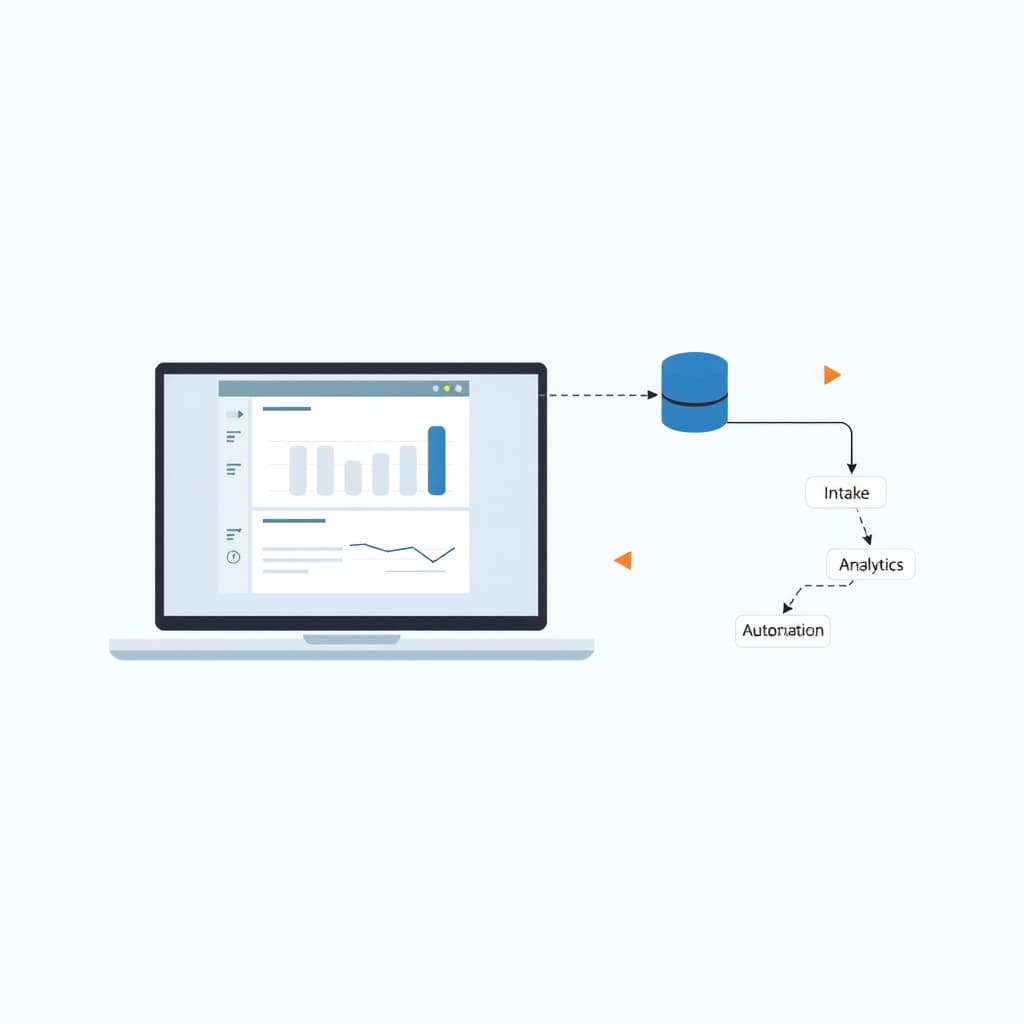
Healthcare providers are at a crossroads where legacy spreadsheets, faxed referrals, and manual eligibility checks are throttling growth. For clinics, diagnostic labs, and telehealth services, the shift to custom software healthcare isn’t a luxury—it’s a survival tactic. Tailored applications can weave together compliance, patient data, and operational workflows into a single, auditable system. This playbook walks founders, product leaders, and operations managers through the strategic build order, technology choices, and partnership model that turn fragmented processes into a scalable, secure platform.
Why Mid‑Size Healthcare Companies Need a Dedicated Software Strategy
Mid‑size providers sit between small practices that can get by with off‑the‑shelf tools and large hospital systems that have deep‑pocketed IT departments. Without a dedicated software strategy, they inherit the worst of both worlds: the brittleness of generic SaaS and the expense of custom‑built solutions that never see the light of day. A focused strategy aligns technology investments with regulatory timelines, payer contracts, and patient experience goals. It also creates a roadmap that prevents ad‑hoc point solutions from spiraling into a maintenance nightmare. By defining clear phases—intake, workflow automation, analytics—leaders can prioritize ROI‑driving builds while preserving the flexibility to adapt to new regulations or service lines.
Core Pain Points: Compliance, Patient Data Flow, and Scheduling Bottlenecks
Three challenges dominate daily operations:
- Compliance: HIPAA, GDPR, and local health regulations demand strict access controls, audit trails, and data encryption.
- Patient Data Flow: Information often jumps between EMR, lab systems, and billing platforms, creating duplicate entry and errors.
- Scheduling Bottlenecks: Manual slot management leads to no‑shows, under‑utilized clinicians, and revenue leakage.
These pain points are interrelated; a breach in data flow can trigger compliance violations, while scheduling inefficiencies inflate operational costs. Addressing them together in a unified platform reduces friction, improves patient satisfaction, and safeguards the practice against costly penalties.
First‑Priority Build: Secure Patient Intake & Eligibility Verification Platform
The foundation of any healthcare software stack is a trustworthy intake engine. This module captures demographics, insurance details, and consent forms through encrypted web forms that sync directly with the practice’s EMR. Real‑time eligibility verification via API connections to payer portals eliminates the “unknown coverage” scenario that stalls appointments. Key features include:
- Multi‑factor authentication and role‑based access to protect PHI.
- Dynamic eligibility checks that return coverage status within seconds.
- Automated alerts for missing documents, reducing manual follow‑up.
- Audit logs that satisfy HIPAA audit requirements.
By automating intake, clinics cut front‑desk time by up to 40 % and reduce claim denials caused by inaccurate insurance data.
Second‑Priority Build: Integrated Clinical Workflow & Task Automation Hub
Once patients are onboarded, the next step is to streamline the clinical journey. An integrated workflow hub orchestrates tasks such as lab orders, imaging requests, and referral management. Leveraging event‑driven architecture, the system pushes notifications to the right staff member at the right time, ensuring no step is missed. Automation scenarios include:
- Auto‑populating lab requisition forms from the intake data.
- Routing referral approvals to the appropriate specialist based on availability and insurance network.
- Generating discharge summaries and sending them securely to patients via patient portal.
This hub reduces manual handoffs, shortens turnaround times, and creates a single source of truth for clinicians, which directly improves care quality and staff satisfaction.
Third‑Priority Build: Real‑Time Reporting & Analytics Dashboard for Care Outcomes
Data is only valuable when it drives decisions. A real‑time analytics dashboard aggregates key metrics—appointment fill rates, average claim processing time, patient satisfaction scores, and clinical outcomes—into visual widgets that executives can drill into. Built on a HIPAA‑ready data warehouse, the dashboard respects data residency and encryption standards. Benefits include:
- Early detection of bottlenecks through live KPI monitoring.
- Outcome tracking that links treatment pathways to patient recovery rates.
- Customizable reports for payer contracts and accreditation audits.
With actionable insights at their fingertips, leadership can iterate on processes, negotiate better payer terms, and demonstrate value to investors.
Choosing the Right Tech Stack for custom software healthcare: Next.js, React, and HIPAA‑Ready Cloud Services
Modern web frameworks deliver the performance and developer productivity needed for rapid iteration. Next.js Server vs Client Components: Scaling Guide shows how server‑side rendering reduces latency for data‑heavy pages, while client components keep interactivity snappy. Pairing Next.js with React gives a component‑driven UI that scales from patient portals to internal dashboards. On the backend, choose a HIPAA‑ready cloud provider (e.g., AWS GovCloud, Azure for Health) that offers encrypted storage, VPC isolation, and detailed audit logging. Use managed databases with built‑in encryption at rest, and adopt API‑first design to enable future integrations with EMR or telehealth platforms. This stack balances regulatory compliance, developer velocity, and cost‑effectiveness—critical for mid‑size providers.
Partnering Effectively: What to Expect from a Custom Development Agency
Working with an agency is a partnership, not a transaction. Expect a transparent roadmap that aligns milestones with regulatory deadlines. Agencies should provide:
- Dedicated product owner who translates clinical language into technical specs.
- Security‑by‑design reviews, including penetration testing and least‑privilege authentication (Least Privilege Authentication: Secure SaaS Guide for Founders).
- Iterative delivery using Agile sprints, allowing you to test features in a live environment.
- Post‑launch support to handle updates, compliance patches, and scaling concerns.
Our post‑launch support ensures the platform remains reliable as patient volumes grow and new regulations emerge.
Measuring Success: KPI Framework and ROI Timeline
Quantifying impact starts with a KPI framework that ties software outcomes to business goals. Core metrics include:
- Reduction in intake processing time (target: 30‑40 % decrease).
- Eligibility verification accuracy (target: < 5 % claim denials).
- Appointment fill rate improvement (target: 5‑10 % increase).
- Operational cost per patient encounter (target: 15 % reduction).
Map each KPI to a financial impact and plot a 12‑month ROI curve. Early wins—like faster intake—show ROI within the first quarter, while analytics-driven improvements may materialize in the second half of the year. This phased approach mirrors the “When to Replace No‑Code: A Founder’s Guide to Build vs. Buy” methodology, ensuring you invest where value is proven.
Next Steps & CTA: Start Your Custom Healthcare Software Assessment
Ready to turn manual bottlenecks into a secure, scalable platform? Begin with a discovery session where we map your current workflows, compliance requirements, and technology landscape. Our assessment delivers a prioritized build roadmap, cost estimate, and timeline—so you can make an informed decision before any code is written.
Take the first step today. Book a call with SiteFusion and let us help you design the custom software healthcare solution that fuels growth and protects patients.