Why MVP Scope Validation Matters Before You Build
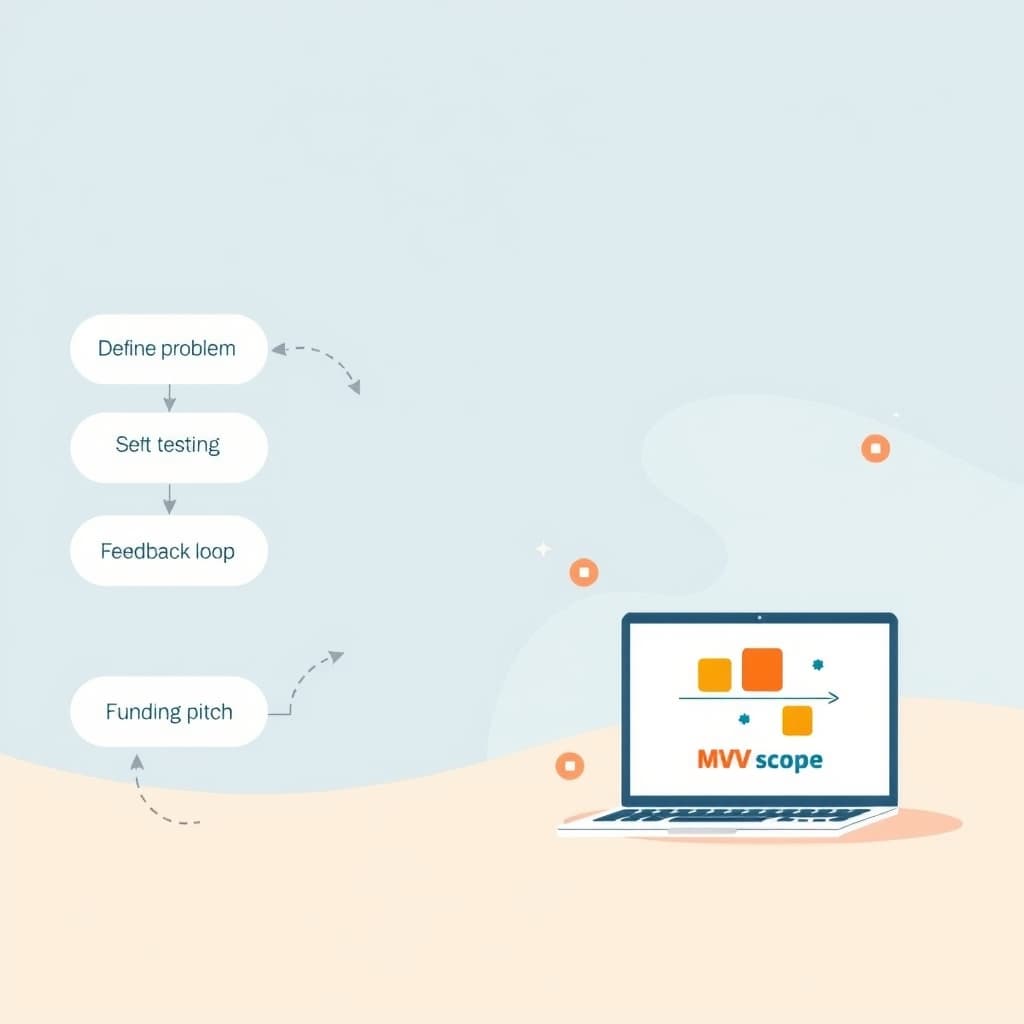
Investors and internal stakeholders alike ask the same question: “What problem does this product actually solve, and how will we know it works?” MVP scope validation is the disciplined process that turns a vague idea into a fundable hypothesis. By confirming the core value proposition early, you avoid costly over‑engineering and demonstrate a clear path to revenue. Validation also builds credibility; a data‑backed story shows you understand market risk and have a concrete plan to mitigate it. In practice, this means narrowing the feature set to what truly matters, testing it with real users, and quantifying the impact in terms investors can digest. Skipping this step often leads to scope creep, missed deadlines, and a funding pitch that feels like a wish list rather than a strategic plan. The checklist below walks you through the exact steps to lock down scope, prove value, and present a compelling case for capital.
Step 1: Define the Core Problem You’re Solving
The first gate in any MVP scope validation effort is a crystal‑clear problem statement. Ask yourself: who is affected, how are they currently coping, and what pain points are quantifiable? A concise problem definition should be no longer than two sentences and framed from the user’s perspective. For example, “Operations managers spend an average of three hours per week reconciling inventory data across three systems, leading to delayed shipments.” This articulation does two things: it narrows the audience and creates a measurable baseline. When you later present results, you can directly reference the reduction in that three‑hour burden. Keep the statement focused—avoid solution language at this stage. If you need inspiration on framing problems for complex domains, see our Custom Software Playbook for Mid‑Size Healthcare Providers for a structured approach.
Step 2: Identify the Single Success Metric That Proves Value
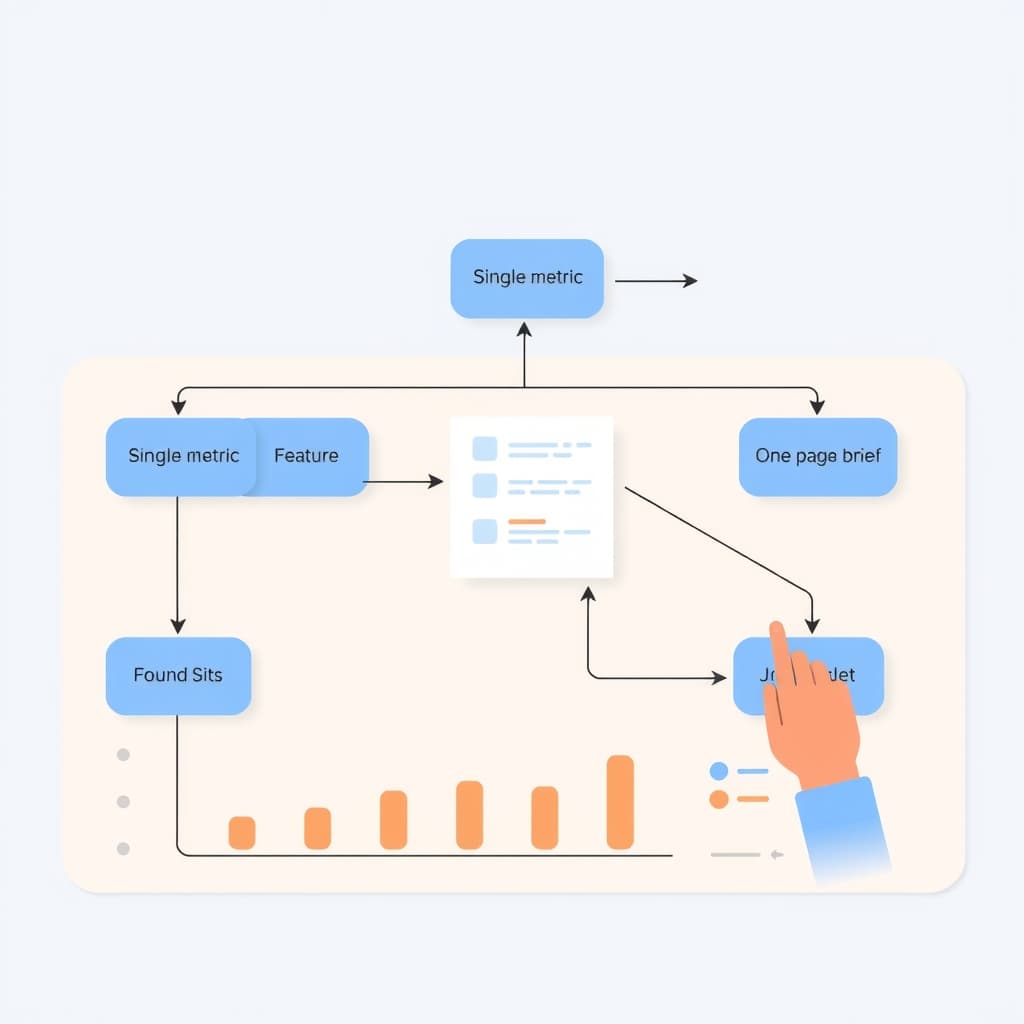
Investors love simplicity. Choose one leading indicator that directly reflects the problem you defined. This could be “time saved per week,” “error rate reduction,” or “conversion lift.” The metric must be quantifiable, observable within a short test window, and tied to business outcomes. For instance, if your problem is inventory reconciliation time, the success metric might be “average minutes saved per reconciliation.” Document the current baseline, set a realistic target (e.g., 30 % reduction), and decide how you’ll capture the data—through analytics, user surveys, or manual logging. By focusing on a single metric, you eliminate analysis paralysis and make it easier for funders to see a clear ROI. Remember, the metric is the north star for every subsequent validation activity.
Step 3: Map Must‑Have vs Nice‑To‑Have Features
With the problem and metric locked, list every feature you envision. Then categorize each item:
- Must‑Have: Directly enables the success metric or removes a blocker.
- Nice‑To‑Have: Improves user experience but does not affect the core metric.
Typical must‑have items include data import/export, a single dashboard view, and a basic alert system. Nice‑to‑have features might be advanced reporting, customization options, or integrations with ancillary tools. This matrix serves two purposes: it clarifies scope for the development team and provides a concrete argument when negotiating agency quotes. By showing that you can deliver a lean MVP that hits the metric, you reduce perceived risk and keep budgets in check.
Step 4: Build a One‑Page Brief That Aligns Stakeholders
A one‑page brief is the communication backbone of your validation effort. It should contain:
- Problem statement (from Step 1).
- Success metric and target (Step 2).
- Feature matrix (Step 3).
- Proposed validation method and timeline.
- Key assumptions and risk mitigations.
Keep the language plain—avoid technical jargon that could alienate non‑engineering stakeholders. Distribute the brief to product leaders, ops managers, and potential investors. When everyone sees the same concise plan, alignment improves and decision‑making speeds up. If you need a template, our service overview outlines how we structure similar briefs for client engagements.
Step 5: Run a Lean Validation Test With Real Users
Now put the hypothesis to work. Build the must‑have features as a clickable prototype or a low‑code MVP, then recruit a small group of representative users—ideally 5‑10 participants who experience the problem daily. Conduct a single‑session test where users perform the core workflow while you observe and record the success metric. Capture qualitative feedback with open‑ended questions, but focus analysis on the quantitative change in the metric. A typical test cycle lasts one to two weeks, providing enough data to confirm or refute your assumption without draining resources. If the metric moves in the desired direction, you have empirical evidence to back your funding pitch.
Step 6: Quantify the Business Case to Attract Funding
Transform the validation results into a compelling business case. Start with the baseline and the measured improvement from Step 5. Then extrapolate the impact at scale: multiply the per‑user savings by the projected user base, factor in pricing assumptions, and calculate the resulting revenue uplift or cost avoidance. Present the numbers in a simple table or bullet list, highlighting the payback period and ROI. Complement the quantitative story with qualitative quotes from test participants to humanize the data. This dual narrative—hard numbers plus user voice—resonates with investors who seek both risk mitigation and market traction.
Step 7: Package the Checklist for Agency Quotes
When you’re ready to move from validation to full development, turn the one‑page brief and validation results into a request for proposal (RFP). Include:
- The problem statement and success metric.
- The must‑have feature list with clear acceptance criteria.
- Validation data that proves the metric works.
- Timeline expectations and budget constraints.
This package signals that you have done the heavy lifting and expect the agency to focus on execution, not discovery. It also enables you to compare quotes on a like‑for‑like basis, ensuring you select a partner who understands the scope and can deliver within the defined risk parameters. Our experience building custom SaaS platforms shows that clear RFPs reduce project overruns by up to 30 %.
Conclusion & Next Steps: Turn Validation into a Fundable MVP
Effective MVP scope validation turns an idea into a data‑driven story that investors can fund with confidence. By defining the problem, locking a single success metric, pruning features, aligning stakeholders, testing with real users, quantifying impact, and packaging the results for agency quotes, you create a repeatable pathway from concept to capital. The next logical step is to schedule a discovery call with a development partner who can translate your validated scope into a production‑ready product. Our team specializes in turning validated MVPs into scalable Next.js/React applications, complete with post‑launch support.
Ready to move forward? Book a call with SiteFusion and let’s turn your validated MVP into a growth engine.