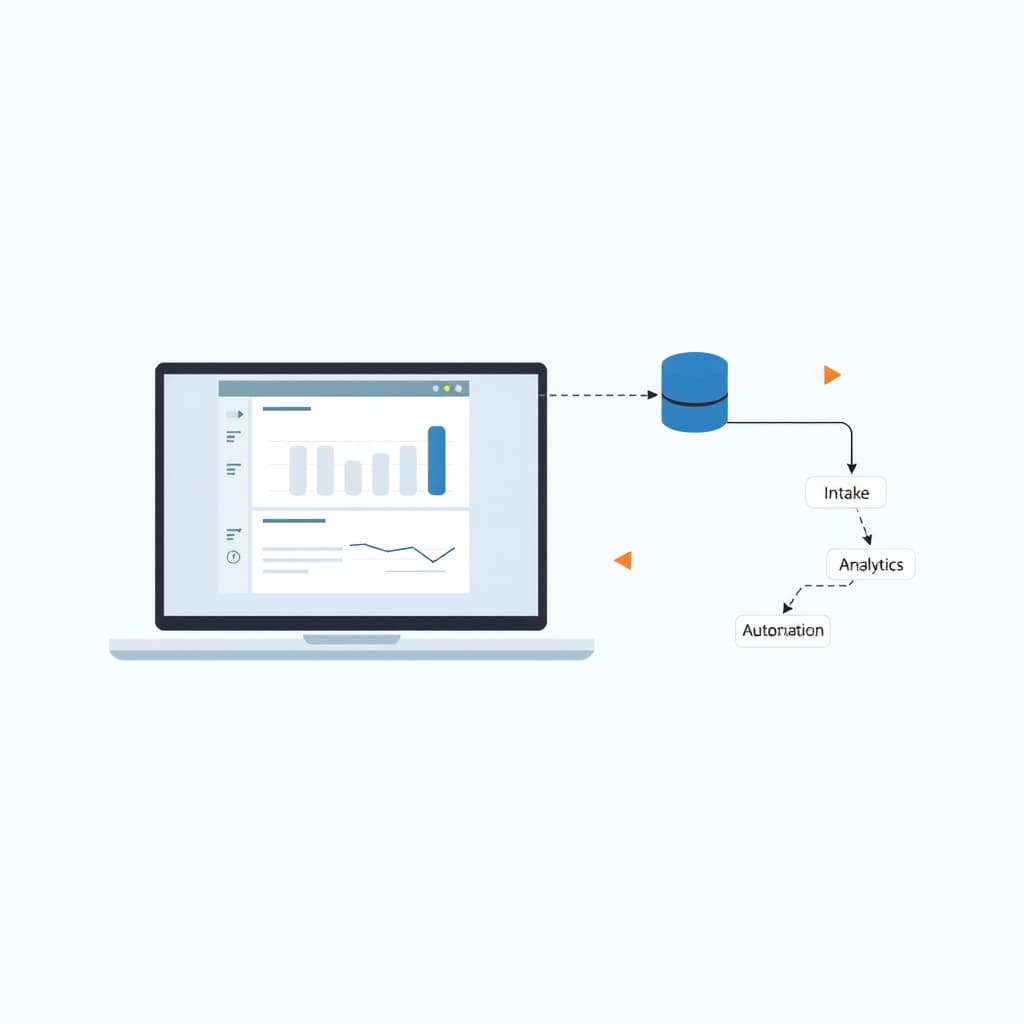
Building a logistics automation roadmap is the single most disciplined way to turn fragmented processes into a cohesive, scalable operation. Instead of cobbling together point solutions that clash under load, a roadmap forces you to prioritize impact, align stakeholders, and future‑proof your tech stack. In the fast‑moving world of supply‑chain, that discipline translates directly into tighter margins, faster deliveries, and a clearer path to growth.
Why a Dedicated Automation Roadmap Beats Ad‑Hoc Tooling in Logistics
Ad‑hoc tooling creates silos: each team adopts a “quick fix” that solves today’s pain but rarely integrates with tomorrow’s needs. A dedicated logistics automation roadmap forces you to map end‑to‑end flows, identify high‑leverage friction points, and allocate resources based on measurable outcomes. It also provides a shared language for founders, ops leaders, and product managers, reducing the back‑and‑forth that stalls execution. By anchoring decisions to a roadmap, you can evaluate each tool against strategic criteria—scalability, data consistency, and compliance—rather than short‑term convenience. This approach mirrors the principles in Next.js Server Components: Scaling Architecture for Founders, where a clear architectural vision prevents technical debt from spiraling out of control.
Tool #1: Real‑Time Shipment Tracking Dashboard
A live dashboard that aggregates carrier APIs, GPS feeds, and IoT sensor data gives ops teams instant visibility into every parcel’s status. The key is a unified data model that normalizes disparate feeds, allowing you to surface exceptions, ETA shifts, and temperature alerts in a single view. Real‑time tracking reduces manual phone calls, improves customer communication, and provides the data needed for predictive analytics. When designing the UI, prioritize accessibility and actionable insights—highlight delayed shipments in red, and surface key performance indicators like on‑time delivery rate. Pair the dashboard with a robust alert engine so that the right stakeholder is pinged the moment a threshold is crossed.
Tool #2: Automated Carrier Rate Management System
Carrier rates fluctuate daily based on fuel surcharges, capacity, and market demand. An automated rate management system pulls contract files, carrier portals, and market data to keep your pricing matrix current without manual spreadsheet updates. By applying rule‑based logic—e.g., “prefer carrier A for LTL under 500 lb unless fuel surcharge > 15%”—you can generate optimal shipping quotes in seconds. The system should also log every rate change for auditability, supporting compliance requirements across regions. Embedding this engine into your order entry workflow eliminates guesswork, shortens quote cycles, and protects margin by ensuring you never ship at outdated rates.
Tool #3: Dynamic Load‑Planning & Optimization Engine
Load planning is a classic combinatorial problem: you must pack shipments into trucks, containers, or pallets while respecting weight, volume, and delivery windows. A dynamic optimization engine uses constraint‑solving algorithms (or AI‑driven heuristics) to generate the most efficient load plans in real time. The engine can react to last‑minute order changes, driver availability, or traffic conditions, rebalancing loads on the fly. The output includes a visual load diagram, a pick list for warehouse staff, and a route file for the TMS. By minimizing empty space and deadhead miles, you directly boost asset utilization and reduce carbon footprint—both critical metrics for scaling logistics businesses.
Tool #4: Integrated Warehouse Inventory Sync
Warehouse management systems (WMS) often operate in isolation, leading to inventory mismatches that cascade into fulfillment errors. An integrated inventory sync layer continuously reconciles stock levels across multiple sites, returns processing, and cross‑dock operations. It should support event‑driven updates (e.g., a barcode scan triggers an instant decrement) and batch reconciliation for high‑volume periods. The sync also feeds real‑time availability into the order management system, preventing oversell scenarios. When building this integration, adopt an API‑first approach and enforce idempotent operations to guarantee data integrity even under network hiccups.
Tool #5: Exception & Alert Management Workflow
Even the best‑planned operations encounter exceptions—damaged goods, customs holds, or driver delays. A dedicated workflow engine captures these events, categorizes them by severity, and routes them to the appropriate owner. The system should allow users to acknowledge, comment, and resolve alerts directly from a mobile or web interface, creating an audit trail for continuous improvement. Automated escalation rules (e.g., “if not resolved within 30 minutes, notify senior manager”) keep critical issues from slipping through the cracks. By centralizing exception handling, you turn reactive firefighting into a data‑driven process that can be measured and refined over time.
Tool #6: API‑First Partner Portal for 3PL Collaboration
Modern supply chains rely on third‑party logistics (3PL) partners that need secure, real‑time access to order data, shipment status, and billing information. An API‑first partner portal provides each 3PL with a tailored dashboard and a set of documented endpoints for pulling or pushing data. Security is paramount: implement OAuth2, scoped tokens, and audit logs to meet compliance standards. The portal should also include self‑service capabilities—such as uploading proof of delivery documents or updating carrier preferences—reducing manual onboarding effort. For design guidance, see our How to Design a Secure B2B Partner Portal for Scaling Ops post.
Prioritizing Build Order: Impact vs. Effort Matrix
Not every tool delivers equal value at the same cost. Plot each candidate on an impact‑vs‑effort matrix to surface quick wins (high impact, low effort) and strategic bets (high impact, high effort). Typically, real‑time tracking and carrier rate management land in the quick‑win quadrant because they leverage existing data sources and yield immediate ROI. Load‑planning and inventory sync often require deeper integration, placing them in the strategic quadrant. Exception management sits in the low‑effort, moderate‑impact zone—valuable for operational hygiene. Use this matrix to sequence sprints, secure stakeholder buy‑in, and allocate budget efficiently.
Next Steps: Validating ROI and Partnering with a Custom‑Software Team
Before committing to development, run a pilot for each high‑impact tool. Define success metrics—e.g., reduction in manual touchpoints, improvement in on‑time delivery, or cost savings from optimized loads—and measure against a baseline. If the pilot meets targets, scale the solution across all sites. At this stage, partnering with a seasoned custom‑software team accelerates delivery and ensures architectural rigor. Our team offers end‑to‑end services, from product strategy to post‑launch support, so you can focus on growth while we handle the code. Learn more about our post‑launch support options, then schedule a discovery call to map your logistics automation roadmap.
Ready to turn fragmented processes into a unified, scalable engine? Book a call with SiteFusion and let’s design the roadmap that powers your next phase of growth.