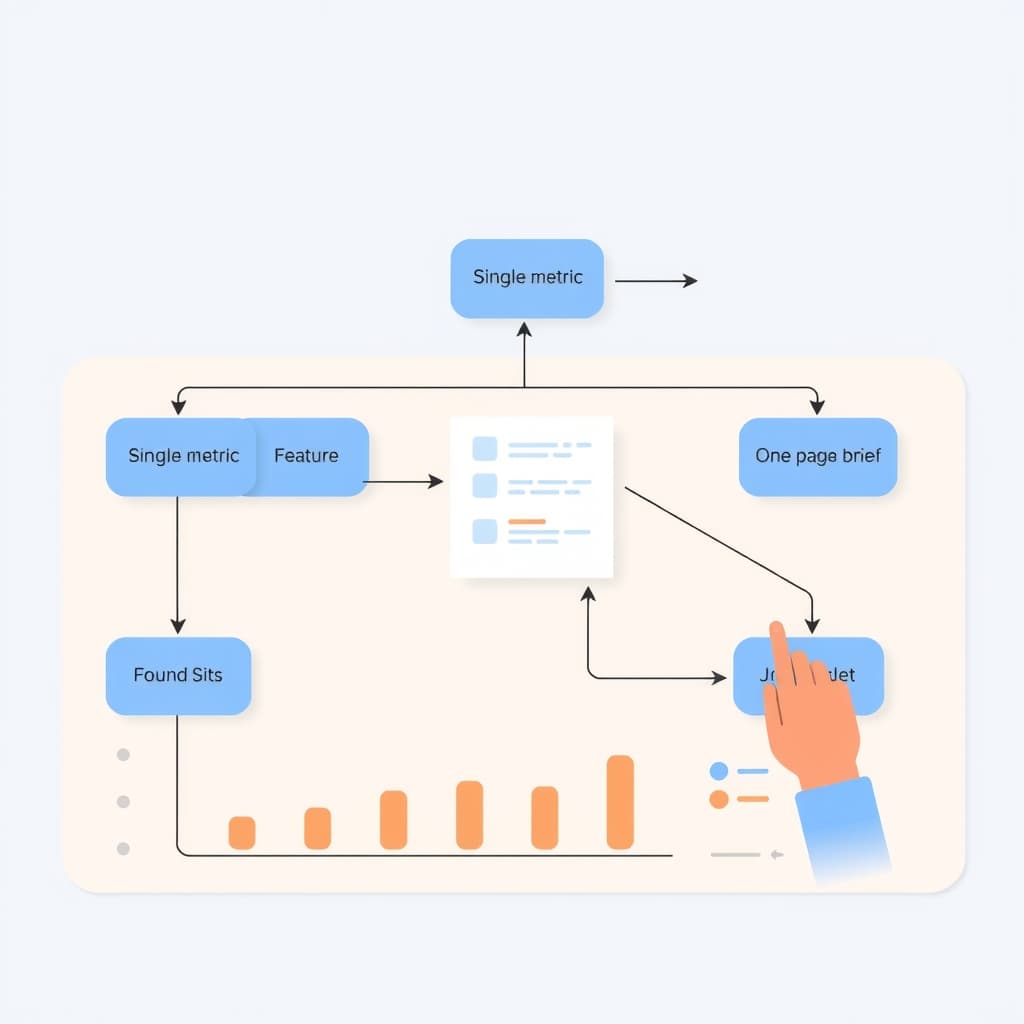
Introduction to MVP Scope: Setting the Foundation
Defining a viable MVP Scope Definition is crucial for founders, product managers, and operations leaders at growing companies. It sets the foundation for a successful product launch and subsequent growth. A well-defined MVP scope helps teams focus on the essential features and functionalities, ensuring that the product meets the needs of its target audience. By prioritizing the most critical aspects of the product, teams can create a minimum viable product (MVP) that is both effective and efficient.
An MVP Scope Definition involves identifying the key features, functionalities, and requirements of the product. It requires a deep understanding of the target market, customer needs, and the product's unique value proposition. By conducting thorough market research and analyzing customer feedback, teams can create an MVP scope that is tailored to their specific needs and goals.
Understanding the Importance of a Well-Defined MVP Scope
A well-defined MVP Scope Definition is essential for several reasons. Firstly, it helps teams avoid feature creep, which can lead to delays, cost overruns, and a final product that is bloated and inefficient. Secondly, it enables teams to prioritize their resources effectively, ensuring that the most critical features and functionalities are developed first. Finally, it provides a clear direction for the development team, ensuring that everyone is working towards the same goals and objectives.
As discussed in our previous post on Designing User Flow for SaaS Tools, a well-designed user flow is critical for creating an intuitive and user-friendly product. A well-defined MVP scope helps teams create a user flow that is tailored to their specific needs and goals, ensuring that the product is both effective and efficient.
Identifying Key Features and Priorities for Your MVP
Identifying the key features and priorities for your MVP is a critical step in the MVP Scope Definition process. It involves analyzing customer feedback, market trends, and competitor analysis to determine the most critical features and functionalities. Teams should prioritize features that provide the most value to customers, while also ensuring that they are feasible to develop and launch.
Some key considerations when identifying key features and priorities include the product's unique value proposition, customer pain points, and market trends. Teams should also consider the technical feasibility of each feature, as well as the resources required to develop and launch them. By prioritizing features effectively, teams can create an MVP that meets the needs of their target audience and provides a solid foundation for future growth.
Navigating the Balancing Act: Scope, Time, and Budget
Navigating the balancing act between scope, time, and budget is a critical aspect of the MVP Scope Definition process. Teams must balance the need for a robust and feature-rich product with the need for a timely and cost-effective launch. This requires careful prioritization of features, as well as a deep understanding of the technical and financial resources required to develop and launch the product.
As discussed in our previous post on Optimizing Internal Tools for Ops Efficiency, optimizing internal tools and processes can help teams streamline their development workflow and reduce costs. By leveraging tools such as custom software and automation, teams can create a more efficient and cost-effective development process, enabling them to launch their MVP more quickly and with greater success.
MVP Scope Definition Tools and Techniques for Success
There are several tools and techniques that teams can use to define a viable MVP Scope Definition. These include agile development methodologies, customer feedback and testing, and technical feasibility assessments. Teams should also consider leveraging tools such as product roadmaps, feature prioritization frameworks, and technical debt management systems to help guide the development process.
By leveraging these tools and techniques, teams can create a well-defined MVP scope that is tailored to their specific needs and goals. This enables them to launch a successful MVP that meets the needs of their target audience, while also providing a solid foundation for future growth and development.
Common Pitfalls in MVP Scoping and How to Avoid Them
There are several common pitfalls that teams can fall into when defining an MVP Scope Definition. These include feature creep, inadequate prioritization, and insufficient technical feasibility assessments. Teams should also be aware of the risks of over-engineering, as well as the importance of continuous testing and feedback.
By being aware of these common pitfalls, teams can take steps to avoid them and create a well-defined MVP scope that is tailored to their specific needs and goals. This requires careful planning, prioritization, and execution, as well as a deep understanding of the technical and financial resources required to develop and launch the product.
Case Studies: Successful MVP Scope Definitions in Action
There are several case studies that demonstrate the importance of a well-defined MVP Scope Definition. For example, companies such as Airbnb and Uber have successfully launched MVPs that have gone on to become highly successful products. These companies have demonstrated the importance of prioritizing features, leveraging customer feedback, and continuous testing and iteration.
By studying these case studies, teams can gain valuable insights into the importance of a well-defined MVP scope and the steps required to create a successful MVP. This includes leveraging tools such as custom software and automation, as well as techniques such as agile development methodologies and customer feedback and testing.
Conclusion and Next Steps: Putting Your MVP Scope into Action
In conclusion, defining a viable MVP Scope Definition is critical for founders, product managers, and operations leaders at growing companies. By prioritizing features, leveraging customer feedback, and continuous testing and iteration, teams can create a well-defined MVP scope that is tailored to their specific needs and goals.
If you're looking to launch a successful MVP, we recommend checking out our services and portfolio to see how we can help. We also offer post-launch support to help you continue to iterate and improve your product after launch. To learn more, book a call with SiteFusion today to discuss your MVP scope definition and how we can help you achieve your goals.