Why MVP Scope Validation Matters Before Any Code Is Written
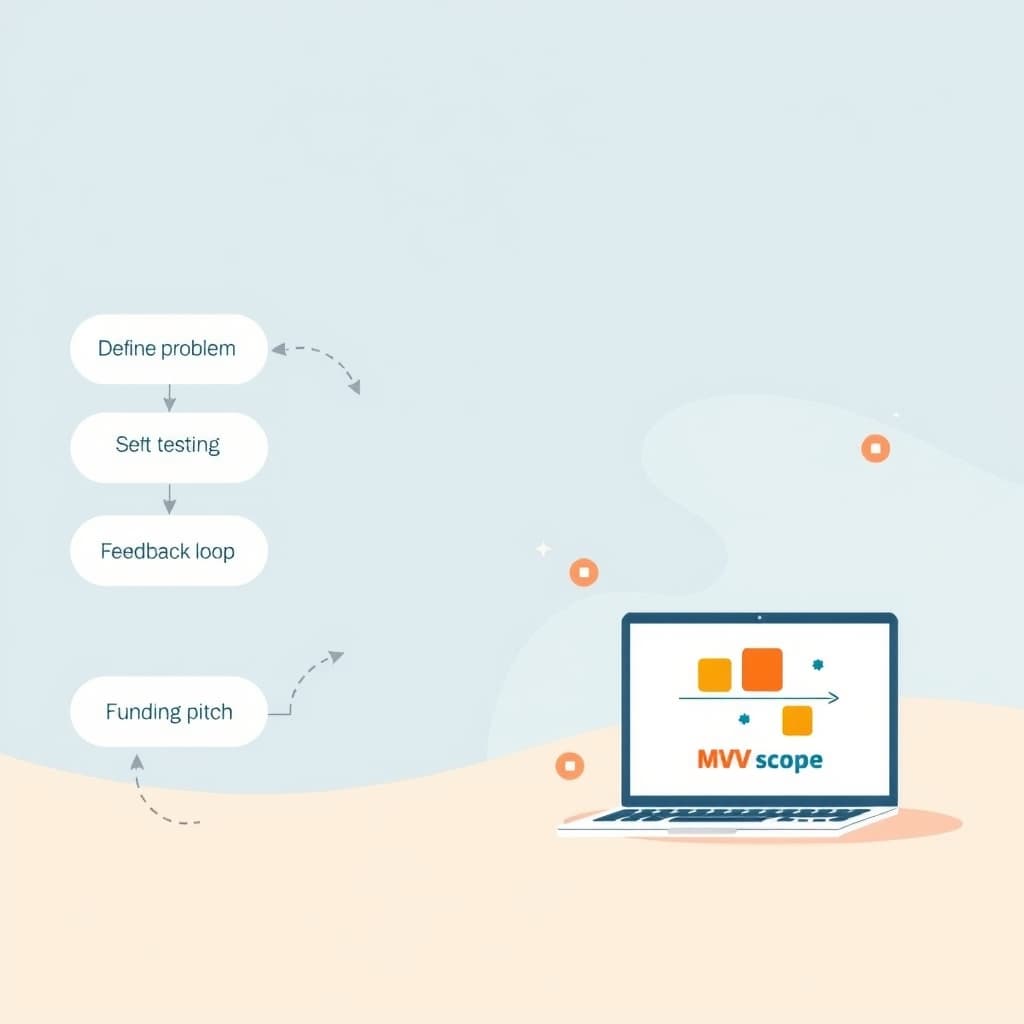
Before a single line of code lands in a repository, founders must answer a simple question: will this product solve a real, paying problem? MVP scope validation is the disciplined process that separates a hopeful idea from a market‑ready hypothesis. Skipping this step often leads to costly re‑writes, missed deadlines, and wasted engineering bandwidth. By validating scope early, you lock in the smallest set of features that can be tested against a concrete success metric, ensuring that every development sprint is purpose‑driven. This approach also gives you a defensible narrative when you approach investors or internal stakeholders, because you can point to data‑backed assumptions rather than gut feelings. In practice, MVP scope validation reduces time‑to‑feedback, aligns cross‑functional teams, and creates a clear handoff to the development partner—whether that’s an in‑house squad or an agency like SiteFusion.
Defining the Core Problem and Success Metric for Your MVP
The first concrete step is to articulate the problem you’re solving in a single sentence. Avoid feature‑centric language; focus on the pain point the target user experiences. Once the problem is crystal clear, choose a success metric that directly reflects its resolution—e.g., “reduce onboarding time by 30 %” or “increase qualified leads per week by 15 %.” This metric becomes the north star for all validation activities. Keep it measurable, time‑bound, and tied to a business outcome; vague goals like “improve user experience” are impossible to validate. When you have both the problem statement and the success metric, you can draft a concise hypothesis that will guide every subsequent test.
Mapping User Journeys to Identify the Minimum Viable Feature Set
With the problem and metric in hand, sketch the end‑to‑end user journey. Break it into high‑level stages—discovery, activation, value delivery, and retention. For each stage, list the actions a user must take to achieve the desired outcome. Then ask: which of these actions are absolutely essential for the first user to experience the promised value? Those actions become your minimum viable feature set. Anything beyond that is a candidate for later iterations. This exercise prevents “feature creep” at the planning stage and provides a visual map you can share with designers, product managers, and developers. It also surfaces hidden dependencies, such as required data integrations or authentication flows, that must be accounted for in the scope.
Building a Testable Hypothesis: From Idea to Quantifiable Assumption
A testable hypothesis translates the problem, metric, and feature set into a single, falsifiable statement. Structure it as: “If we provide Feature X to Target User, then Metric Y will improve by Z % within T weeks.” This format forces you to specify the user segment, the exact feature, the expected impact, and the measurement window. By quantifying the assumption, you create a clear pass/fail criterion for validation experiments. Remember to keep the hypothesis narrow; broad statements dilute the insight you can extract. Once the hypothesis is defined, you can design low‑cost tests that directly measure the predicted change.
Low‑Cost Validation Tactics: Concierge, Wizard‑of‑Oz, and Smoke Tests
Not every hypothesis requires a full‑scale prototype. Three inexpensive tactics let you gauge demand before building:
- Concierge testing: Manually deliver the core service while observing user behavior. This reveals real‑world friction without any code.
- Wizard‑of‑Oz: Build a façade (e.g., a polished UI) that pretends the backend exists, while you fulfill requests behind the scenes. It validates the user experience at scale.
- Smoke tests: Publish a landing page with pricing and a “Get early access” button, then track sign‑up conversion. Use tools like Google Optimize to measure interest.
Each method provides concrete data to accept or reject your hypothesis, and they can be combined for richer insight. For a deeper dive on validation frameworks, see our AI Feature Evaluation: How to Test Before Launching to Users guide.
Translating Validation Results Into a Precise MVP Scope Document
After running your low‑cost tests, gather the quantitative and qualitative results. Identify which assumptions held true, which failed, and why. Then distill these findings into a scoped document that lists:
- The validated problem statement.
- The success metric and the actual impact observed.
- The confirmed minimum viable feature set.
- Any new constraints (e.g., compliance, integration limits) uncovered during testing.
- Prioritized user stories that map directly to the metric.
This document becomes the single source of truth for developers and designers. It eliminates ambiguity, reduces back‑and‑forth clarification, and speeds up the quoting process. When you hand it to an agency, they can produce a realistic estimate without guessing which features are “nice‑to‑have.”
Creating a One‑Page Brief That Lets Agencies Quote Accurately
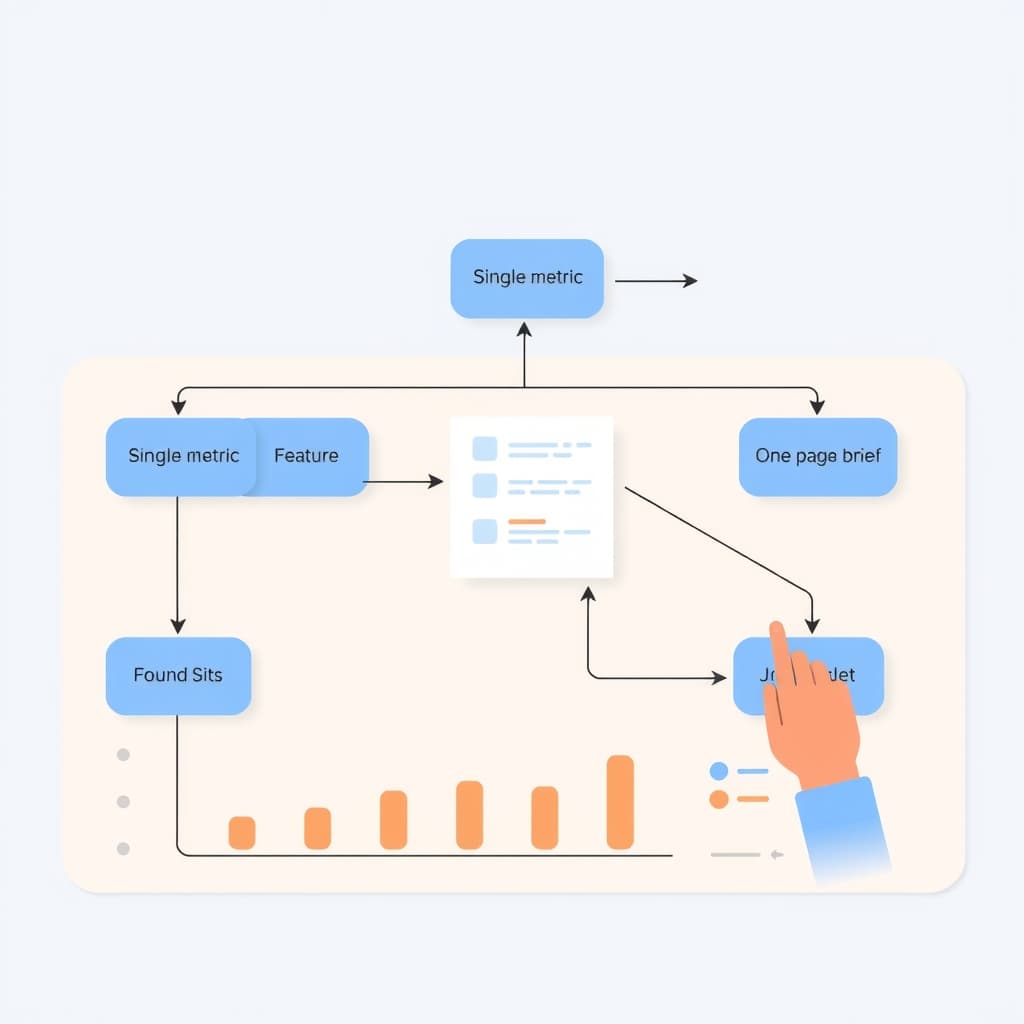
A one‑page brief should be laser‑focused. Start with a headline that states the problem and the target user. Follow with a bullet list of the validated feature set, each paired with a brief user story. Include the success metric, the expected timeline for the MVP, and any non‑functional requirements (security, scalability, compliance). Finally, add a section titled “What We Need from You,” outlining deliverables such as UI mockups, API contracts, and post‑launch support expectations. By providing this concise brief, agencies can deliver precise cost estimates and timelines, avoiding the typical “we’ll need to scope later” delays. Our own what we build page showcases the type of scoped projects we excel at delivering.
Avoiding Common Scope Creep Traps in the First Build
Even with a solid brief, scope creep can sneak in during development. Watch for these traps:
- Stakeholder “just one more” requests that aren’t tied to the success metric.
- Feature “polish” that adds visual flair but doesn’t affect user outcomes.
- Unplanned integrations that introduce technical debt.
Mitigate them by instituting a change‑control board that evaluates every new request against the original hypothesis. If a request doesn’t move the needle on the success metric, defer it to a later release. Regular sprint reviews that reference the MVP scope validation document keep the team aligned and the budget in check.
Next Steps: From Validated Scope to Roadmap Prioritization and Funding
With a validated MVP scope in hand, you can now populate your product roadmap. Prioritize subsequent releases based on the same hypothesis‑driven framework: each new feature should have its own success metric and validation plan. This approach makes it easier to secure funding, because investors see a clear, data‑backed path to revenue. It also simplifies internal budgeting, as each increment is tied to measurable outcomes. If you need assistance turning this roadmap into a production‑ready solution, our post‑launch support team can help you iterate quickly while maintaining quality.
Conclusion
MVP scope validation is not a one‑off checklist; it’s a disciplined habit that keeps product teams focused on delivering real value fast. By defining the problem, testing assumptions with low‑cost tactics, and translating results into a razor‑thin scope document, founders can avoid costly rework and secure the resources needed for growth. Ready to turn your validated scope into a high‑performing product? Book a call with SiteFusion today and let us help you build the right thing, right now.