Introduction to Dev Partner Compatibility
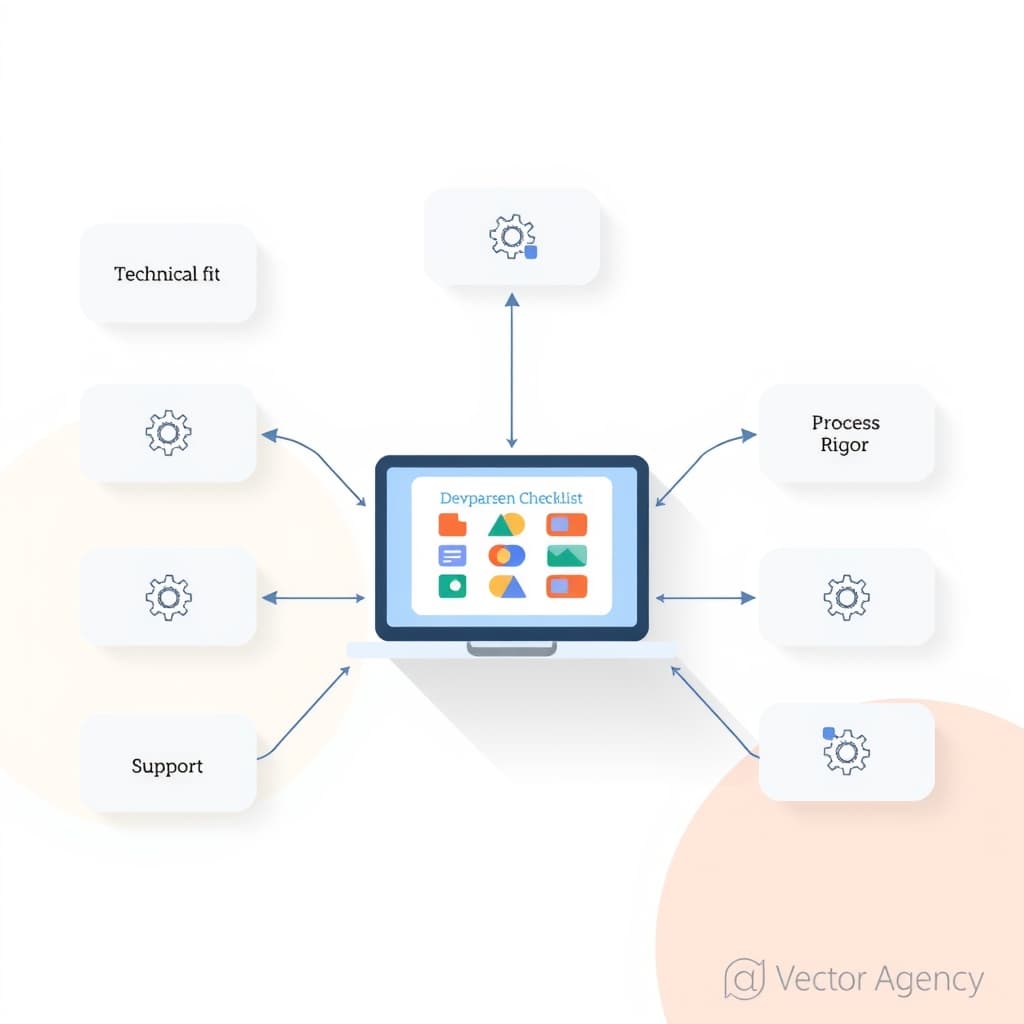
When searching for a development partner, one crucial aspect to consider is Dev Partner Compatibility. This encompasses a range of factors, from cultural alignment and technical expertise to communication styles and workflow processes. Ensuring compatibility with your dev partner is vital for the success of your project, as it directly impacts the quality of the final product, the efficiency of the development process, and the overall satisfaction of your team and stakeholders.
For founders, ops leaders, and product managers at growing companies, understanding the importance of Dev Partner Compatibility is key to making informed decisions when selecting a development partner. It's not just about finding a team that can deliver your project on time and within budget, but also about finding a partner that shares your vision, values, and approach to software development.
Why Team Compatibility Matters in Software Development
Team compatibility matters in software development because it affects the collaborative process, problem-solving, and overall project outcomes. When teams are compatible, they can work together more effectively, share knowledge, and adapt to changes more easily. This, in turn, leads to higher-quality products, faster time-to-market, and reduced costs.
Moreover, compatible teams are better equipped to handle the complexities and challenges that arise during software development. They can communicate more effectively, resolve conflicts more efficiently, and make decisions that align with the project's goals and objectives. For example, when building accessible SaaS dashboards, a compatible team can ensure that the final product meets the needs of all users, regardless of their abilities.
Evaluating Cultural Alignment with Your Dev Partner
Evaluating cultural alignment with your dev partner is essential for ensuring compatibility. This involves assessing the partner's values, mission, and work environment to determine whether they align with your own organization's culture. A culturally aligned partner will be more likely to understand your needs, priorities, and expectations, leading to a more successful collaboration.
When evaluating cultural alignment, consider factors such as the partner's approach to innovation, their attitude towards risk, and their commitment to quality. You can also assess their communication style, feedback mechanisms, and conflict resolution processes to determine whether they align with your own team's dynamics. For more information on this topic, visit our authoritative guide to hiring a dev partner.
Assessing Technical Compatibility and Expertise
Assessing technical compatibility and expertise is another critical aspect of evaluating Dev Partner Compatibility. This involves evaluating the partner's technical capabilities, skills, and experience to determine whether they can deliver your project's requirements. Consider factors such as their proficiency in specific programming languages, frameworks, and technologies, as well as their experience with similar projects and industries.
For example, if you're building a Next.js React application, you'll want to ensure that your dev partner has extensive experience with these technologies and can provide best-practice guidance and implementation. You can also assess their expertise in areas such as optimizing LLM model size for SaaS efficiency or automating business processes with AI workflows.
Communication Styles: Ensuring Seamless Collaboration
Communication styles play a vital role in ensuring seamless collaboration between your team and your dev partner. Compatible communication styles facilitate effective information exchange, reduce misunderstandings, and promote a culture of transparency and openness.
When evaluating communication styles, consider factors such as the partner's language proficiency, communication channels, and feedback mechanisms. Ensure that their communication style aligns with your team's preferences and needs, and that they can adapt to your workflow and project management tools. For instance, if you're using agile methodologies, your dev partner should be able to accommodate your sprint planning, daily stand-ups, and retrospectives.
Case Studies: Successes and Failures in Dev Partner Compatibility
Case studies can provide valuable insights into the successes and failures of Dev Partner Compatibility. By examining real-world examples, you can identify best practices, common pitfalls, and key factors that contribute to successful collaborations.
For example, a case study on streamlining B2B customer onboarding portals might highlight the importance of compatible workflows, communication styles, and technical expertise in delivering a successful project. Another case study on building effective internal tools for ops teams might emphasize the need for cultural alignment, feedback mechanisms, and continuous improvement.
Best Practices for Ensuring Compatibility in Your Dev Partnership
To ensure compatibility in your dev partnership, follow best practices such as conducting thorough research, evaluating cultural alignment, assessing technical expertise, and establishing clear communication channels. You should also define clear project goals, expectations, and success metrics to ensure that both parties are aligned and working towards the same objectives.
Additionally, consider factors such as the partner's experience with similar projects, their approach to innovation, and their commitment to quality. You can also assess their build vs buy strategy and their ability to scale before the wall to ensure that they can meet your project's evolving needs.
Our team at SiteFusion has extensive experience in delivering custom software solutions, including custom software for fintech founders and optimizing multi-tenant SaaS architecture. We provide post-launch support to ensure that your project continues to meet your evolving needs. You can view our portfolio of products to see examples of our work.
Conclusion and Next Steps: Finding Your Ideal Dev Partner
In conclusion, Dev Partner Compatibility is a critical factor in the success of your software development project. By evaluating cultural alignment, technical expertise, communication styles, and other key factors, you can ensure that your dev partner is compatible with your team and can deliver a high-quality product that meets your needs and expectations.
To find your ideal dev partner, consider visiting our services page to learn more about what we build and how we can help you achieve your goals. You can also book a call with SiteFusion to discuss your project requirements and determine whether we're the right fit for your needs.