Introduction to Effective MVP Scoping
When it comes to launching a new product, MVP scoping is a crucial step that can make or break your success. A well-defined Minimum Viable Product (MVP) scope helps you focus on the essential features and functionalities, ensuring you deliver a product that meets your customers' needs while minimizing waste and maximizing value. In this article, we will explore the strategies and best practices for effective MVP scoping, helping you set your product up for success.
As a founder, product leader, or operations manager, you understand the importance of getting your product to market quickly and efficiently. However, rushing into development without a clear MVP scope can lead to delays, cost overruns, and a final product that fails to meet customer expectations. By investing time in MVP scoping, you can create a solid foundation for your product's development and ensure that you're building something that truly meets the needs of your target market.
Understanding Your Product Vision and Goals
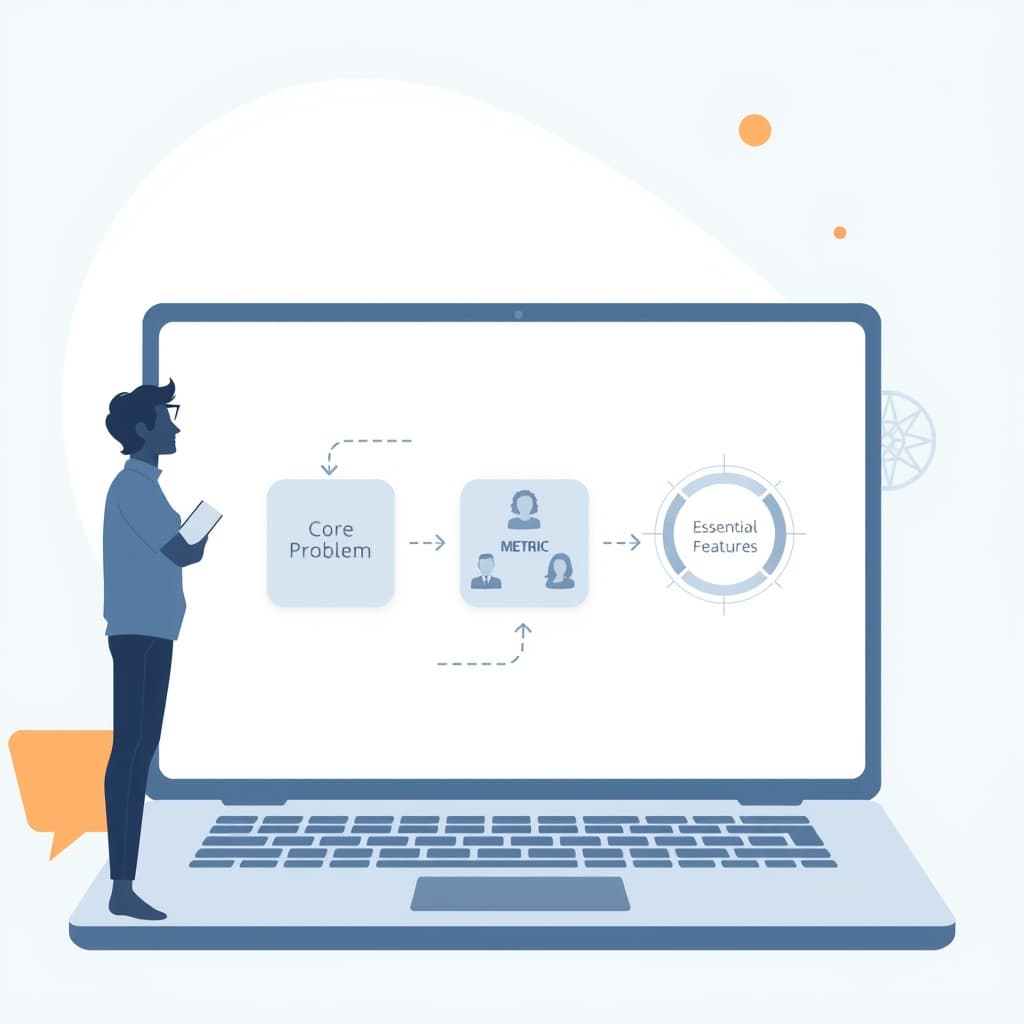
Before diving into MVP scoping, it's essential to have a clear understanding of your product vision and goals. What problem are you trying to solve? Who is your target audience? What are the key benefits and unique selling points of your product? Answering these questions will help you define the core purpose and objectives of your product, which will, in turn, inform your MVP scope.
For example, if you're building a B2B customer onboarding portal, your product vision might be to streamline the onboarding process, reducing the time and effort required for customers to get up and running with your product. You can learn more about streamlining B2B customer onboarding portals in our previous article.
Identifying Core Features for Your MVP
Once you have a clear understanding of your product vision and goals, it's time to identify the core features that will be included in your MVP. These features should be the minimum required to deliver the core value proposition of your product and provide a usable and functional experience for your customers.
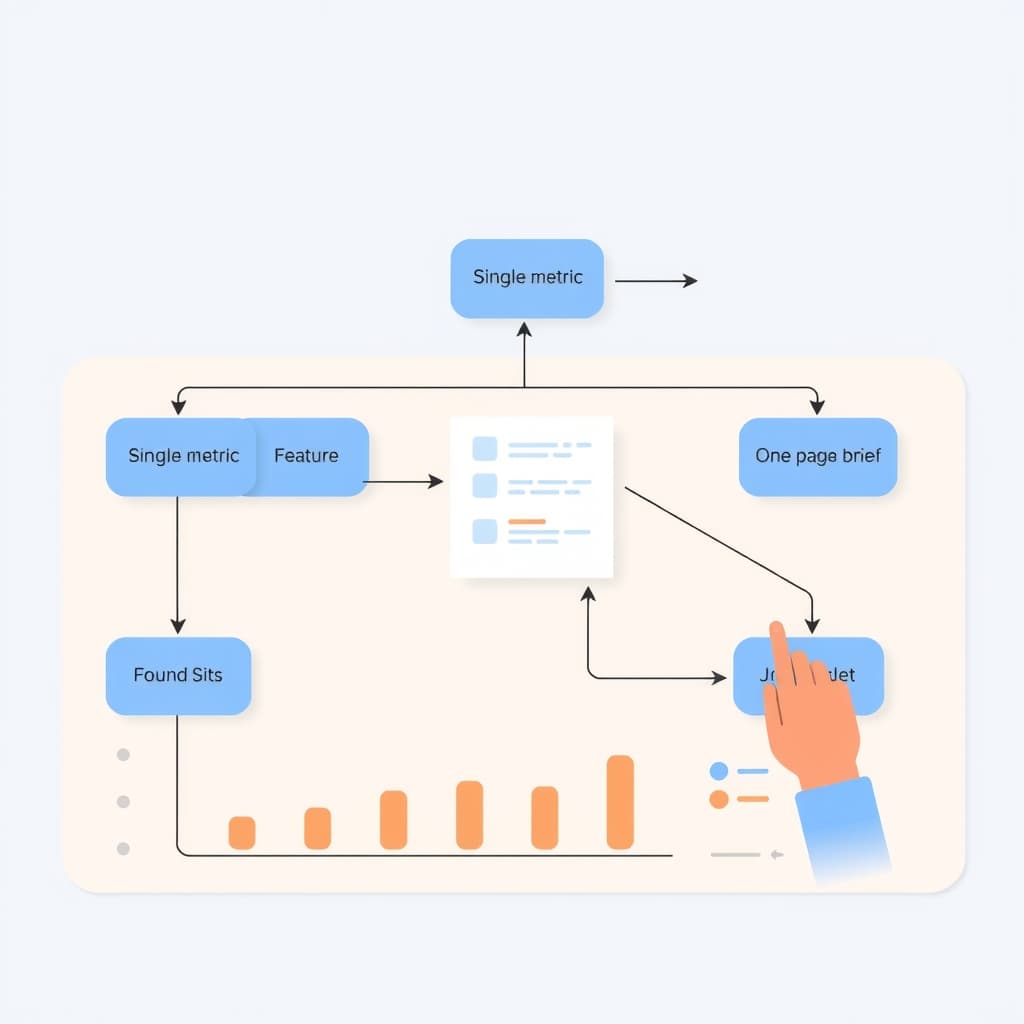
When identifying core features, consider the following factors: customer needs, business goals, technical feasibility, and resource constraints. By prioritizing features based on these factors, you can create an MVP that meets the needs of your customers while also being realistic and achievable.
Prioritizing Features Based on Customer Needs
Prioritizing features based on customer needs is critical to creating an MVP that resonates with your target market. To do this, you need to have a deep understanding of your customers' pain points, needs, and expectations.
Conducting customer research, gathering feedback, and analyzing market trends can help you identify the features that are most important to your customers. By prioritizing features based on customer needs, you can ensure that your MVP delivers value and meets the expectations of your target market.
For instance, if you're building a custom software solution for fintech founders, you may need to prioritize features related to security, compliance, and scalability. You can learn more about custom software for fintech founders in our previous article.
Creating a Realistic MVP Development Timeline
Creating a realistic MVP development timeline is essential to ensuring that your product is delivered on time and within budget. This requires careful planning, resource allocation, and risk management.
When creating your MVP development timeline, consider the following factors: feature complexity, technical dependencies, resource availability, and testing and validation requirements. By creating a realistic timeline, you can set achievable milestones, manage stakeholder expectations, and ensure that your product is delivered to market quickly and efficiently.
Estimating MVP Development Costs and Resources
Estimating MVP development costs and resources is critical to ensuring that your product is delivered within budget and with the required resources. This requires careful planning, cost estimation, and resource allocation.
When estimating MVP development costs and resources, consider the following factors: feature complexity, technical dependencies, resource availability, and testing and validation requirements. By estimating costs and resources accurately, you can ensure that your product is delivered to market quickly and efficiently, while also managing stakeholder expectations and minimizing the risk of cost overruns.
If you're looking for help with estimating MVP development costs and resources, our team at SiteFusion can provide guidance and support. You can learn more about our services on our services page.
Common MVP Scoping Mistakes to Avoid
When it comes to MVP scoping, there are several common mistakes that founders and product leaders make. These mistakes can lead to delays, cost overruns, and a final product that fails to meet customer expectations.
Some common MVP scoping mistakes to avoid include: over-scoping, under-scoping, failing to prioritize features, and neglecting to validate assumptions. By being aware of these common mistakes, you can take steps to avoid them and ensure that your MVP scope is well-defined, realistic, and achievable.
For example, if you're building a SaaS platform, you may need to optimize your multi-tenant SaaS architecture to ensure scalability and efficiency. You can learn more about optimizing multi-tenant SaaS architecture in our previous article.
Conclusion and Next Steps: Turning Your MVP Scope into Reality
In conclusion, MVP scoping is a critical step in the product development process that requires careful planning, prioritization, and validation. By following the strategies and best practices outlined in this article, you can create a well-defined MVP scope that sets your product up for success.
If you're looking for help with MVP scoping or need guidance on turning your MVP scope into reality, our team at SiteFusion can provide support and expertise. We offer a range of services, including custom web application development, internal tool development, and post-launch support. You can learn more about our services on our services page or visit our portfolio to see examples of our work.
Ready to get started with your MVP development project? Book a call with us today to discuss your project and learn how we can help you turn your MVP scope into a reality.