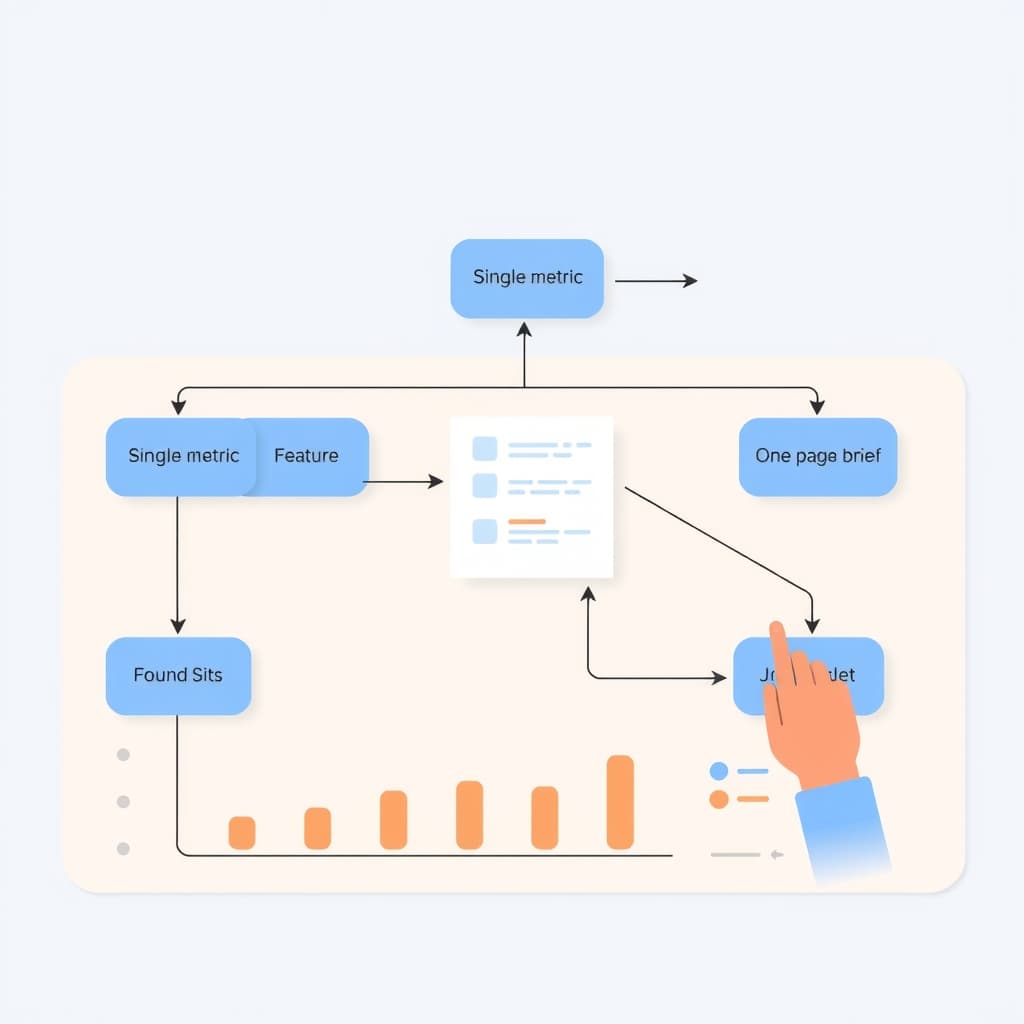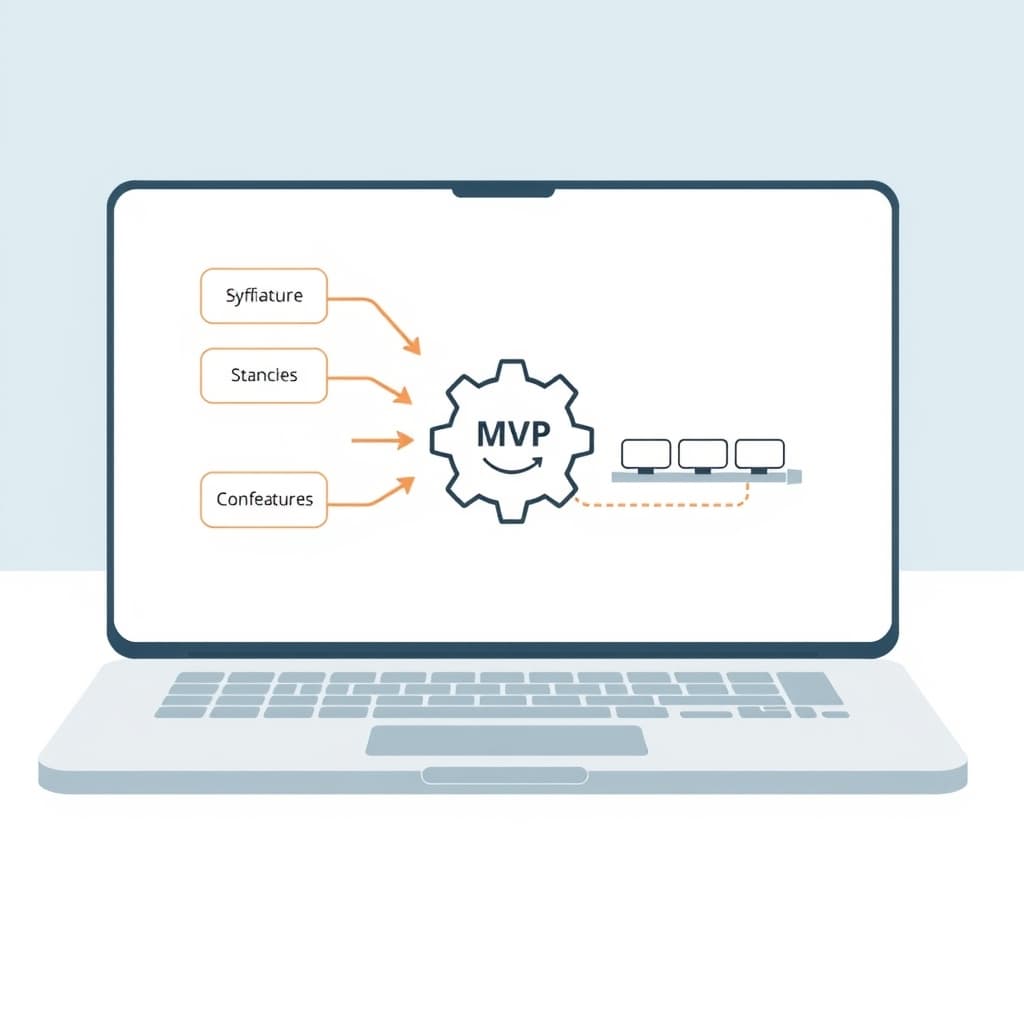
Introduction to MVP Scoping: Setting the Foundation
When it comes to launching a new product, MVP Scoping Strategies play a crucial role in determining the success of your venture. An MVP, or Minimum Viable Product, is a version of your product that has just enough features to satisfy early customers and provide feedback for future development. Effective MVP scoping strategies involve careful planning, prioritization, and execution to ensure that your product meets the needs of your target market. By focusing on the most essential features and functionalities, you can create a solid foundation for your product and set yourself up for long-term success.
In today's fast-paced and competitive market, it's essential to have a well-defined MVP scoping strategy in place. This involves understanding your product vision and goals, identifying core features, and prioritizing them based on customer needs. By doing so, you can create a product that resonates with your target audience and provides a strong foundation for future growth and development.
Understanding Your Product Vision and Goals
Before you start scoping your MVP, it's essential to have a clear understanding of your product vision and goals. This involves defining your target market, identifying your unique value proposition, and determining the key features and functionalities that will set your product apart from the competition. By having a clear understanding of your product vision and goals, you can create a roadmap for your MVP that aligns with your overall business strategy.
For example, if you're building a custom SaaS platform, you may want to consider scaling your product with multi-tenancy to accommodate the needs of multiple users. By understanding your product vision and goals, you can create a scalable and flexible architecture that supports the growth and evolution of your product.
Identifying Core Features for Your MVP
Once you have a clear understanding of your product vision and goals, it's time to identify the core features that will be included in your MVP. This involves prioritizing the most essential features and functionalities that will provide the most value to your customers. By focusing on the core features, you can create a product that is lean, efficient, and effective.
When identifying core features, it's essential to consider the needs and pain points of your target market. For example, if you're building a product for logistics teams, you may want to consider custom software solutions that address specific challenges and inefficiencies in the industry. By understanding the needs of your target market, you can create a product that resonates with your customers and provides real value.
Prioritizing Features Based on Customer Needs
Prioritizing features based on customer needs is a critical component of effective MVP scoping strategies. This involves gathering feedback from your target market, understanding their pain points and challenges, and prioritizing features that address these needs. By doing so, you can create a product that meets the needs of your customers and provides real value.
For example, if you're building a SaaS product, you may want to consider implementing LLM features that provide AI-powered insights and automation. By prioritizing features based on customer needs, you can create a product that is tailored to the specific requirements of your target market.
Creating a Realistic MVP Roadmap and Timeline
Once you have identified the core features and prioritized them based on customer needs, it's time to create a realistic MVP roadmap and timeline. This involves defining key milestones, deadlines, and resource allocations to ensure that your product is delivered on time and within budget. By creating a realistic roadmap and timeline, you can set clear expectations with your team and stakeholders and ensure that your product is launched successfully.
For example, if you're building a custom web application, you may want to consider post-launch support to ensure that your product continues to evolve and improve over time. By creating a realistic roadmap and timeline, you can plan for ongoing maintenance and support and ensure that your product remains competitive and relevant in the market.
Avoiding Common Pitfalls in MVP Scoping
When it comes to MVP scoping, there are several common pitfalls that can derail your product's success. These include over-scoping, under-scoping, and failing to prioritize features based on customer needs. By being aware of these pitfalls, you can take steps to avoid them and ensure that your product is launched successfully.
For example, if you're building a custom SaaS platform, you may want to consider escaping no-code limits to create a tailored solution that meets the specific needs of your target market. By avoiding common pitfalls in MVP scoping, you can create a product that is lean, efficient, and effective.
Measuring Success: Key Metrics for Your MVP
Once your MVP is launched, it's essential to measure its success and gather feedback from your target market. This involves defining key metrics and KPIs that will help you understand how your product is performing and identify areas for improvement. By measuring success and gathering feedback, you can refine your product and create a roadmap for future growth and development.
For example, if you're building a SaaS product, you may want to consider proactive SaaS maintenance strategies to ensure that your product remains competitive and relevant in the market. By measuring success and gathering feedback, you can create a product that meets the evolving needs of your target market and provides real value.
Conclusion and Next Steps: Implementing Effective MVP Scoping Strategies
In conclusion, effective MVP Scoping Strategies are critical to the success of your product. By understanding your product vision and goals, identifying core features, prioritizing features based on customer needs, and creating a realistic MVP roadmap and timeline, you can create a product that meets the needs of your target market and provides real value. If you're looking to implement effective MVP scoping strategies for your product, consider booking a call with SiteFusion to discuss your project and explore how we can help you achieve your goals.
By working with a experienced development partner like SiteFusion, you can ensure that your product is launched successfully and provides a strong foundation for future growth and development. Our team of experts can help you navigate the complexities of MVP scoping and create a tailored solution that meets the specific needs of your target market. Don't hesitate to reach out to us today to learn more about how we can help you achieve your product vision and goals.