Building a SaaS product without a solid privacy compliance checklist is like launching a ship without a compass. Early‑stage founders often focus on features, revenue, and growth, but regulators, customers, and partners expect a clear framework for handling personal data. A well‑crafted checklist keeps you aligned with GDPR, CCPA, and emerging standards, reduces legal risk, and builds trust that can be a decisive competitive advantage. Below you’ll find a practical, step‑by‑step guide that translates legal jargon into actionable items you can implement today.
Why a Privacy Compliance Checklist Matters for Early‑Stage SaaS
Regulators are moving from advisory notices to enforcement actions, and the cost of remediation grows exponentially after a breach. For a startup, a single privacy incident can stall fundraising, erode customer confidence, and trigger costly fines. A checklist forces you to ask the right questions early—what data do you collect, where does it travel, and who can see it? It also provides a documented audit trail that investors and auditors appreciate. Moreover, privacy compliance is increasingly a market differentiator; enterprise buyers often require proof of compliance before signing contracts. By embedding a privacy compliance checklist into your product roadmap, you turn compliance from a reactive afterthought into a proactive growth enabler.
Step 1: Map Your Data Flows and Identify Personal Data
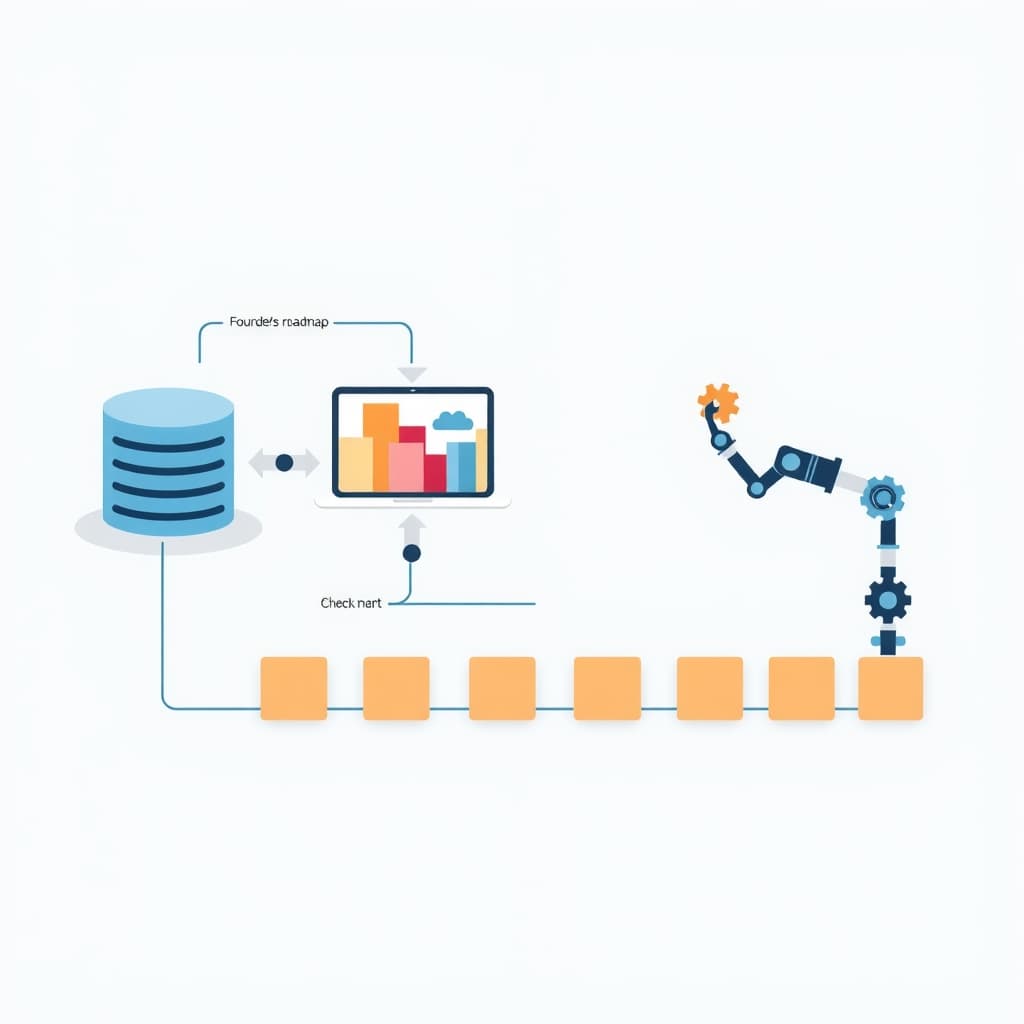
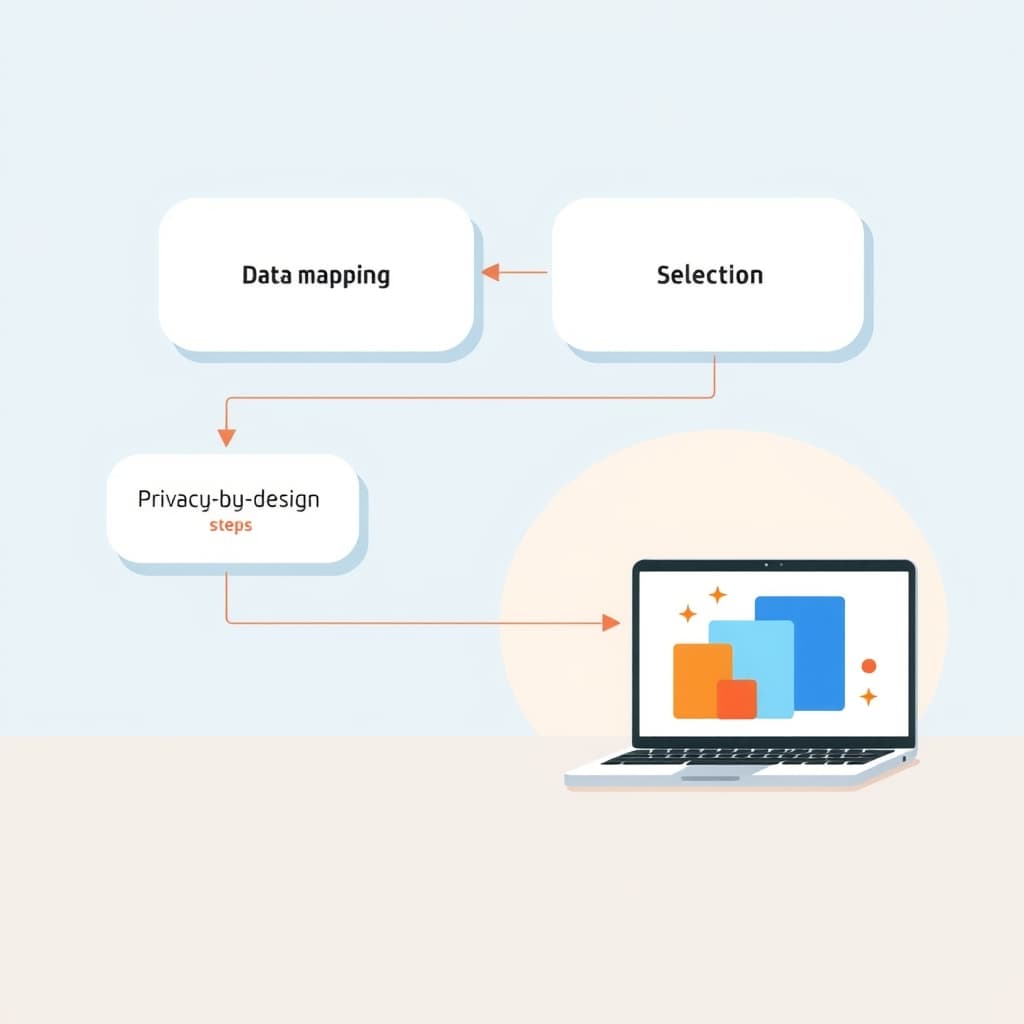
The first practical step is to create a visual data‑flow diagram that captures every point where personal data enters, is stored, processed, or leaves your system. Start with user‑facing forms, authentication services, third‑party integrations, and logging mechanisms. Classify data by type—email, IP address, payment details, usage metrics—and note the legal jurisdiction for each data subject. Tools like Lucidchart or simple spreadsheets work, but the key is consistency: label each node with the data category, retention period, and purpose. Once mapped, you can spot unnecessary data collection and eliminate it, reducing both risk and storage costs. This exercise also feeds directly into later steps, such as defining legal bases and technical controls.
Step 2: Choose the Right Legal Basis and Document Processing Activities
Under GDPR and similar regimes, every personal data processing activity must rest on a lawful basis—consent, contract performance, legitimate interest, or legal obligation. Review each data‑flow node from Step 1 and assign the appropriate basis. For example, email addresses used for account creation fall under contract performance, while marketing newsletters rely on explicit consent. Document these decisions in a Processing Activity Register: include the purpose, legal basis, data categories, retention schedule, and any third‑party processors involved. This register becomes the core of your compliance evidence and simplifies future audits. If you rely on legitimate interest, perform a balancing test and retain the justification. Clear documentation also helps when responding to data‑subject requests later in the workflow.
Step 3: Implement Technical Controls – Encryption, Access Controls, and Auditing
Technical safeguards are the backbone of any privacy program. Encrypt data at rest using industry‑standard algorithms (AES‑256) and enforce TLS 1.2+ for data in transit. Apply role‑based access control (RBAC) so that only employees who need a data slice can view it; integrate with your identity provider to enforce least‑privilege policies. Enable detailed audit logging for all read, write, and delete operations on personal data, and retain logs for a period that satisfies both security and compliance requirements. Automated alerts for anomalous access patterns can surface insider threats before they become incidents. Remember, encryption and access controls must be documented in your technical policy, linking back to the data‑flow map and processing register.
Step 4: Build Transparent User Rights Workflows (Access, Deletion, Portability)
Regulations grant users the right to access, correct, delete, and export their data. Design self‑service portals or ticketing flows that let users submit these requests with minimal friction. For access requests, generate a machine‑readable JSON or CSV export that includes all data points tied to the user. Deletion workflows should cascade through all storage layers—databases, backups, and third‑party services—while preserving auditability. Portability requires you to provide data in a commonly used format, such as CSV or JSON, adhering to a reasonable timeframe (typically 30 days). Document each workflow, assign ownership, and test them regularly. Transparent rights handling not only satisfies legal obligations but also reinforces user trust.
Step 5: Establish Ongoing Governance – Policies, Training, and Incident Response
Compliance is not a one‑time project; it demands continuous governance. Draft clear policies covering data classification, retention, breach notification, and vendor management. Conduct mandatory privacy training for all staff, focusing on real‑world scenarios relevant to your product. Establish a formal incident response plan that defines detection, containment, notification, and remediation steps, and rehearse it with tabletop exercises. Assign a privacy officer or designate a cross‑functional team to own the checklist and keep it current as the product evolves. Regularly review third‑party contracts for data‑processing clauses and update your processing register accordingly. Governance ensures that the checklist remains a living document rather than a static PDF.
Common Pitfalls and How to Avoid Over‑Engineering Compliance
Many SaaS teams either ignore compliance until a crisis hits or over‑engineer solutions that stall development. The first pitfall is treating compliance as a checklist for the sake of ticking boxes, without integrating it into product decisions. Avoid this by linking each checklist item to a concrete user story or engineering task. The second mistake is building custom encryption or access‑control frameworks when proven libraries exist; this adds maintenance burden and can introduce vulnerabilities. Leverage established solutions like AWS KMS, Okta, or open‑source RBAC libraries. Finally, don’t let legal teams dominate the process; foster a collaborative environment where product, engineering, and security iterate together. For a concise reference, see our B2B Customer Portal Security Checklist for Growing Companies, which balances rigor with agility.
Putting It All Together: A One‑Page Checklist for Your Team
Condense the detailed steps into a single-page cheat sheet that can sit on your team’s wiki or sprint board. Include columns for “Owner,” “Due Date,” “Status,” and a brief “Verification Note.” Sample rows:
- Data‑flow diagram updated – Owner: Product Manager – Status: In‑Progress
- Processing Activity Register completed – Owner: Legal Lead – Status: Done
- Encryption at rest enabled – Owner: DevOps – Status: Done
- User rights portal live – Owner: Front‑end Lead – Status: Planned
- Quarterly privacy training – Owner: HR – Status: Scheduled
Review the checklist at the start of each sprint planning session. This keeps privacy top‑of‑mind and ensures that new features are evaluated against the compliance baseline before they ship.
Next Steps: When to Bring in a Security Partner and How SiteFusion Can Help
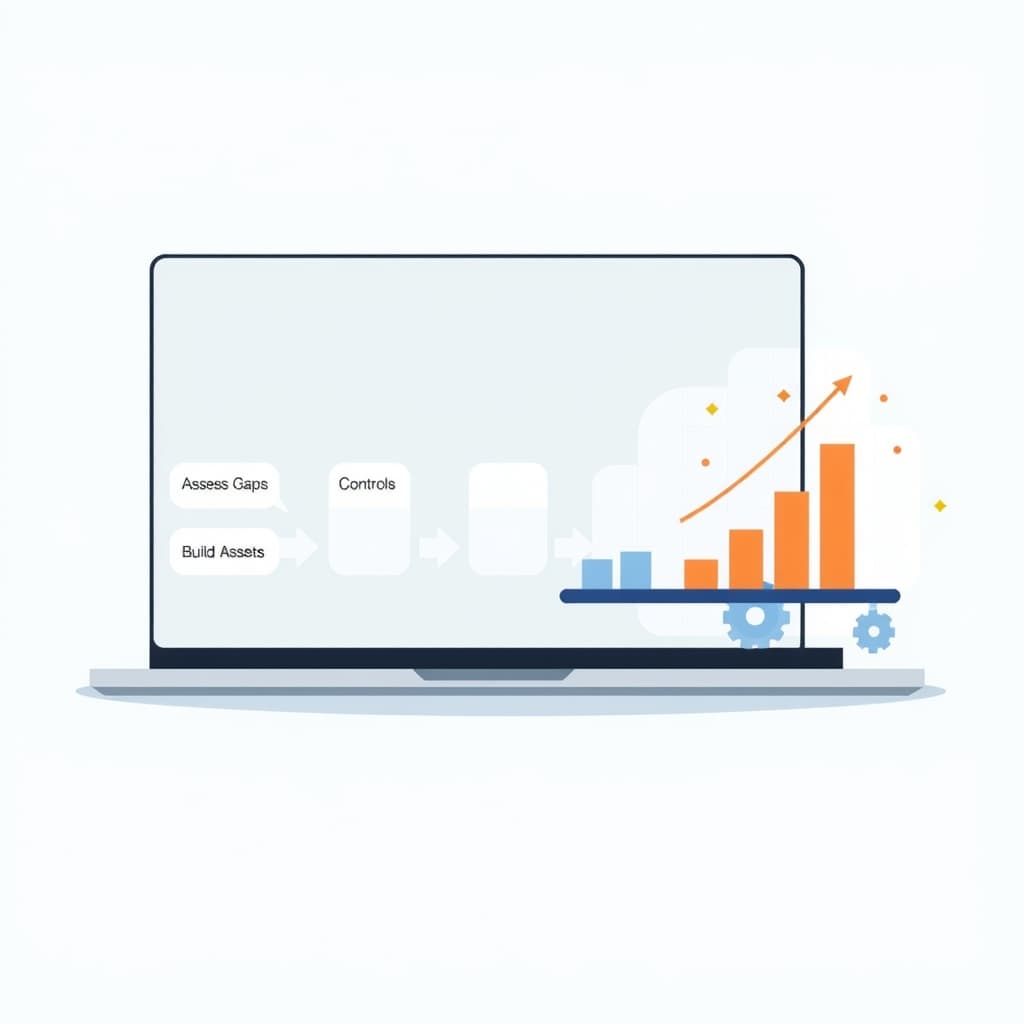
If your internal bandwidth is stretched or you need specialized expertise—such as a penetration test, detailed GDPR gap analysis, or custom compliance tooling—it’s time to engage a security partner. SiteFusion offers end‑to‑end support, from architecture reviews to post‑launch support that keeps your compliance posture up to date as you scale. Our team has helped dozens of B2B SaaS founders embed privacy into their product DNA without sacrificing velocity. We can audit your existing checklist, fill gaps, and automate recurring tasks so you can focus on growth.
Privacy compliance is a continuous journey, not a one‑off project. Start with the steps above, embed the checklist into your development rhythm, and revisit it regularly as regulations and your product evolve. Ready to turn compliance into a competitive advantage? Book a call with SiteFusion today and let us help you build a privacy‑first SaaS that scales confidently.