Achieving SOC 2 readiness for SaaS founders is often seen as a daunting compliance project, but it can be broken down into a series of practical steps that protect customer data and unlock new market opportunities. This guide walks you through a lean, outcome‑focused roadmap that avoids over‑engineering while keeping auditors happy.
SOC 2 readiness for SaaS founders – Why SOC 2 Matters for Early‑Stage SaaS
Early‑stage SaaS companies face a paradox: they need the credibility that SOC 2 provides to win enterprise contracts, yet they lack the resources of a mature organization. SOC 2 signals that you have systematic controls over security, availability, processing integrity, confidentiality, and privacy—collectively known as the Trust Service Criteria. For investors, it de‑rises risk; for customers, it reduces the need for duplicate due‑diligence. Moreover, many SaaS buyers now make SOC 2 compliance a non‑negotiable clause in their procurement process. By embedding SOC 2 readiness early, you avoid costly retrofits later and create a security‑first culture that scales with your product roadmap.
Understanding the Five Trust Service Criteria
The AICPA defines five criteria that form the backbone of SOC 2. Security covers protection against unauthorized access, both physical and logical. Availability ensures that the system is operational as agreed, often tied to SLA commitments. Processing Integrity verifies that data processing is complete, valid, accurate, and authorized. Confidentiality addresses the handling of information that must remain private, such as proprietary algorithms. Finally, Privacy governs personal data in line with regulations like GDPR. Understanding each criterion helps you map existing practices and spot gaps without building unnecessary controls. For a quick refresher on related operational risks, see our Dev Partner Red Flags post.
Mapping Your Current Controls to SOC 2 Requirements
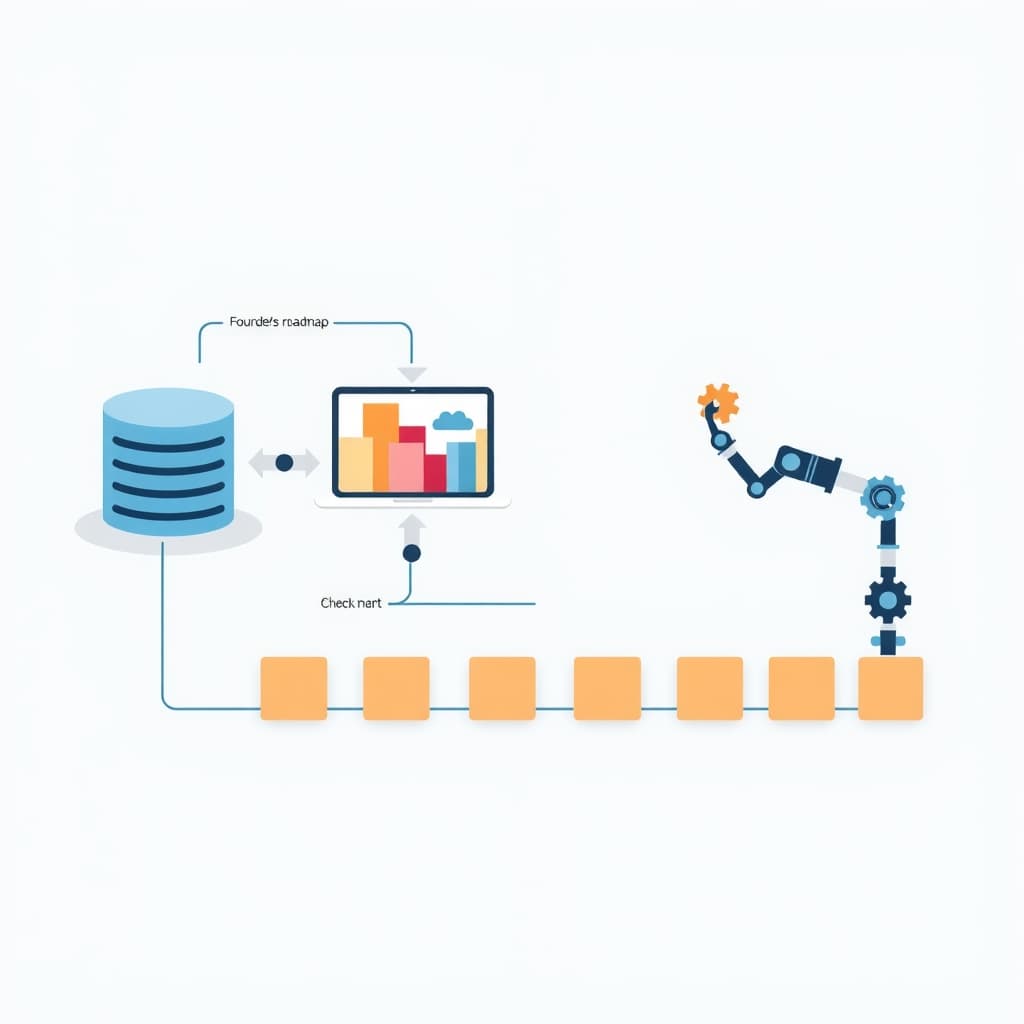
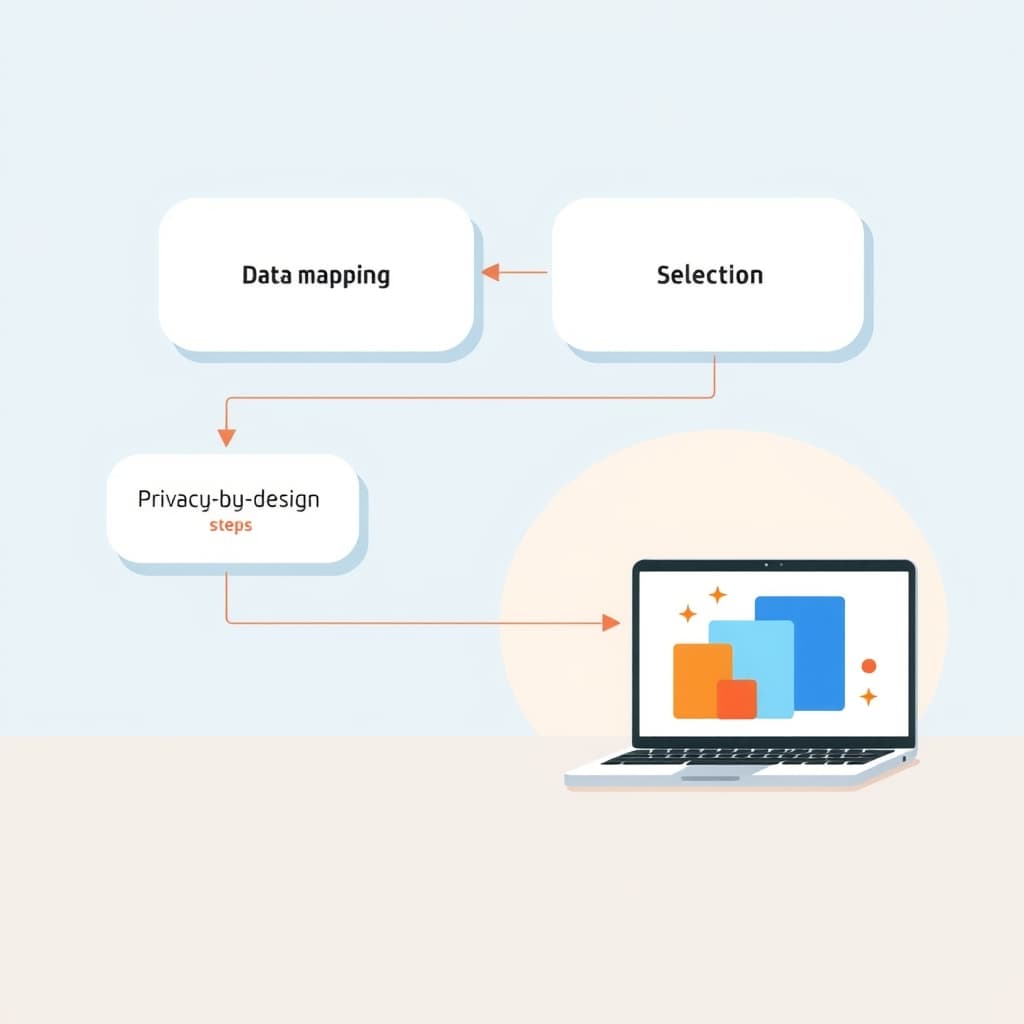
Start with an inventory of existing policies, tooling, and processes. Create a simple spreadsheet with three columns: the Trust Service Criterion, the control you already have, and the evidence you can produce. For example, a Git‑protected repository with branch protection rules maps to the Security criterion, while automated backup jobs satisfy Availability. Where you lack a control, note the gap and its risk level. This visual map becomes the foundation for your remediation plan and helps you avoid reinventing controls that already exist in your CI/CD pipeline or cloud provider’s native security suite.
Prioritizing Controls: What to Implement First
Not every control carries equal weight. Begin with high‑impact, low‑effort items that close the biggest gaps. Identity and access management (IAM) is usually the first priority—enforce MFA, least‑privilege roles, and regular access reviews. Next, automate logging and monitoring; a centralized log aggregation service provides the audit trail required for both Security and Availability. Finally, establish incident response playbooks; even a basic run‑book demonstrates that you can detect, contain, and remediate breaches. By focusing on these core controls, you achieve a solid compliance baseline without over‑engineering your stack.
Building a Documentation Trail That Auditors Love
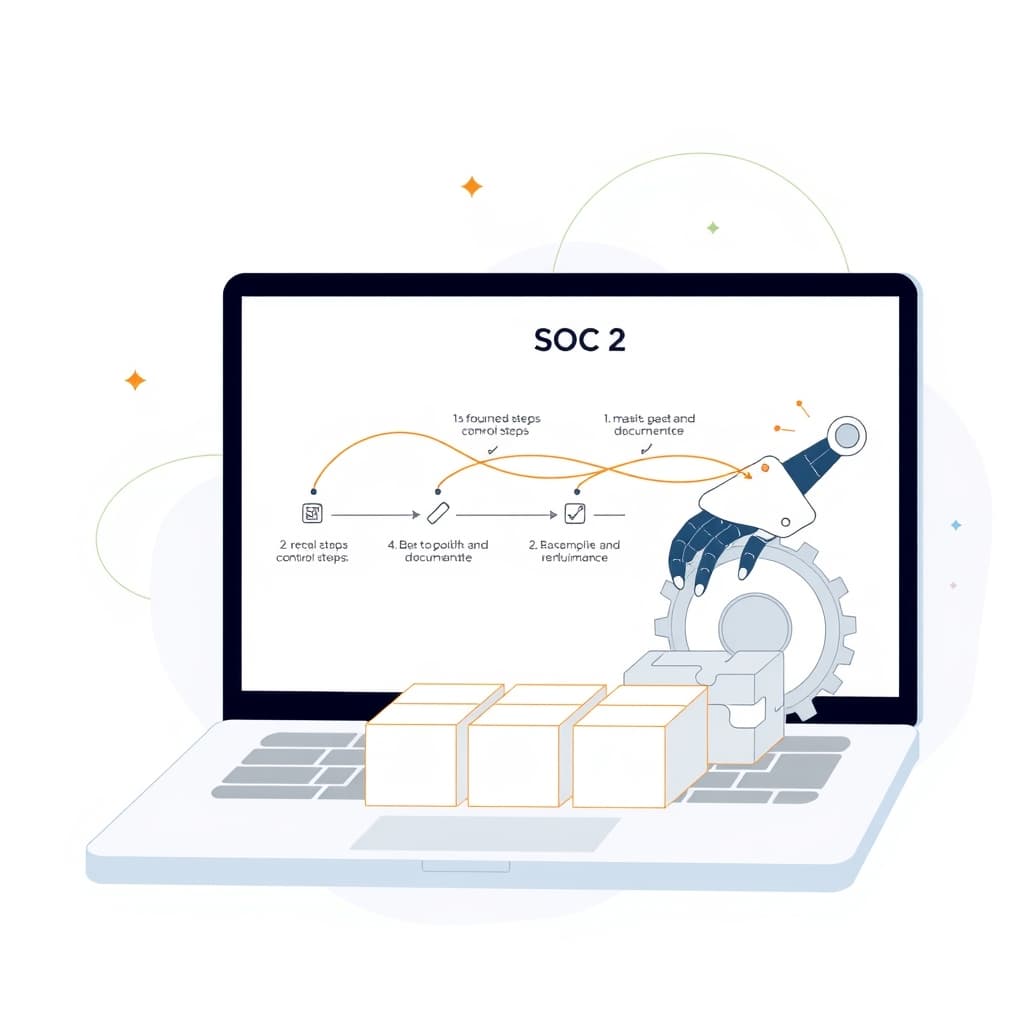
Documentation is the currency of SOC 2 audits. Keep policies in a version‑controlled repository so you can prove change history. For each control, maintain a one‑page “Control Description” that outlines purpose, scope, owner, and frequency. Pair this with “Evidence Artifacts” such as screenshots of configuration, automated reports, or signed approvals. Use a consistent naming convention—e.g., SEC‑IAM‑001‑Policy.pdf—to make retrieval painless. Remember, auditors are looking for both the control and proof that it operates consistently over the audit period.
Automating Evidence Collection with Modern DevOps Tools
Manual evidence collection is a recipe for error. Leverage existing DevOps tooling to generate audit‑ready artifacts automatically. For instance, configure your CI pipeline to export a signed build manifest after each release; this satisfies Processing Integrity. Enable cloud‑provider audit logs and pipe them into a SIEM that can produce daily compliance reports for Security and Availability. Use infrastructure‑as‑code (IaC) templates stored in Git to demonstrate that environment configurations are versioned and reviewed. Automation not only reduces the audit burden but also improves overall operational reliability.
Running an Internal Readiness Assessment Before the Audit
Before you invite an external auditor, conduct a mock assessment. Assemble a cross‑functional team—product, engineering, ops, and legal—to walk through each control and its evidence. Use a checklist derived from your earlier mapping spreadsheet and score each control as “Fully Met,” “Partially Met,” or “Not Met.” Document any deficiencies and assign owners with clear remediation timelines. This rehearsal uncovers hidden gaps, aligns expectations, and builds confidence that the formal audit will proceed smoothly.
Common Pitfalls and How to Avoid Them
Many SaaS founders stumble on a few recurring issues. First, treating SOC 2 as a one‑time project rather than an ongoing program leads to stale controls. Schedule quarterly reviews of policies and evidence. Second, over‑customizing controls can create maintenance overhead; prefer native cloud security features wherever possible. Third, neglecting the human element—training staff on security best practices—weakens the entire framework. Finally, under‑estimating the documentation workload; start building the documentation trail early rather than waiting until the audit window opens.
Next Steps: From Readiness to Certification + How SiteFusion Can Help
Once you have a solid control set, evidence pipeline, and internal assessment, engage a certified CPA firm to perform the formal SOC 2 audit. Expect a readiness report, a remediation window, and finally the SOC 2 Type II report that you can share with prospects. If you need hands‑on assistance—whether it’s tightening IAM, automating log collection, or crafting audit‑ready documentation—our team specializes in secure, scalable SaaS engineering. Learn more about our post‑launch support services or explore our portfolio of products to see how we’ve helped other founders achieve compliance.
Ready to turn SOC 2 readiness into a competitive advantage? Book a call with SiteFusion today and let us accelerate your path to certification.