Building a B2B SaaS product means stitching together dozens of external services—payment processors, CRMs, data warehouses, and more. The way you design those connections determines whether your users see a seamless experience or a cascade of errors. In this playbook we dive into API integration reliability patterns that turn fragile point‑to‑point calls into resilient data flows you can trust day in, day out.
Why Reliability Matters: The Hidden Cost of Flaky Integrations
When an integration fails, the impact is rarely isolated. A missed webhook can stall a billing cycle, a timeout in a data sync can corrupt reporting dashboards, and repeated retries can inflate cloud costs. Beyond the obvious revenue hit, flaky integrations erode confidence—support tickets rise, churn accelerates, and engineering bandwidth shifts from building new features to firefighting. The hidden cost is also strategic: unreliable data makes it impossible to trust analytics, which hampers product decisions and investor reporting. For founders, the metric that matters is mean time to recovery (MTTR). A well‑architected integration layer reduces MTTR from hours to minutes, keeping the business moving forward while preserving the brand’s reputation. Think of reliability as a non‑functional requirement that directly influences growth velocity.
Core Patterns for Reliable API Integration (Idempotency, Retries, Circuit Breakers)
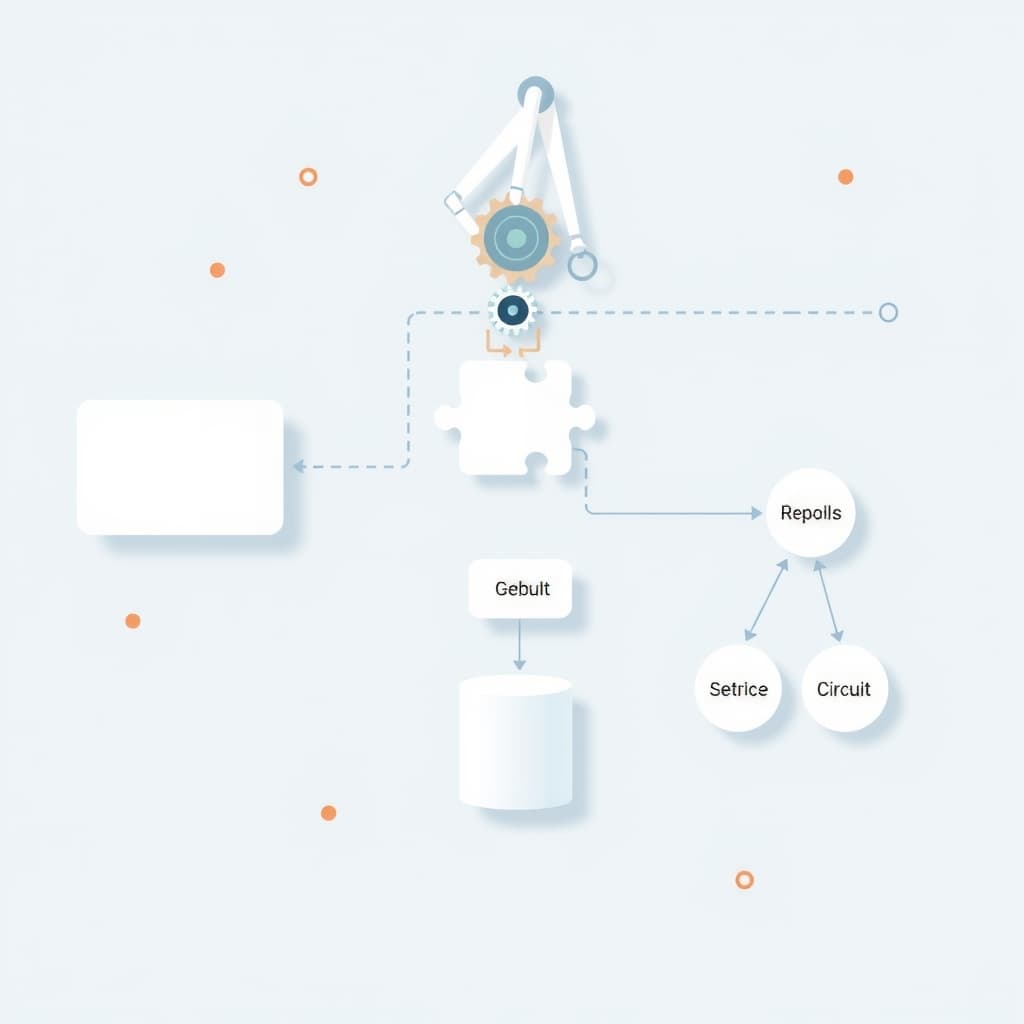
Three patterns form the backbone of any robust integration strategy. Idempotency ensures that repeating the same request—whether due to a retry or a duplicate webhook—does not produce side effects. Implement it by using unique request IDs or by designing endpoints that can safely be called multiple times. Retries handle transient failures; the key is to use exponential back‑off and jitter to avoid thundering‑herd problems. Pair retries with a max‑attempt limit so you don’t drown downstream services. Finally, circuit breakers monitor error rates and temporarily halt calls to a failing third‑party, giving it time to recover while protecting your own system from overload. Together, these patterns create a safety net that turns occasional hiccups into manageable events rather than catastrophic outages.
Choosing Between Webhooks, Polling, and Batch Sync for Your Use Case
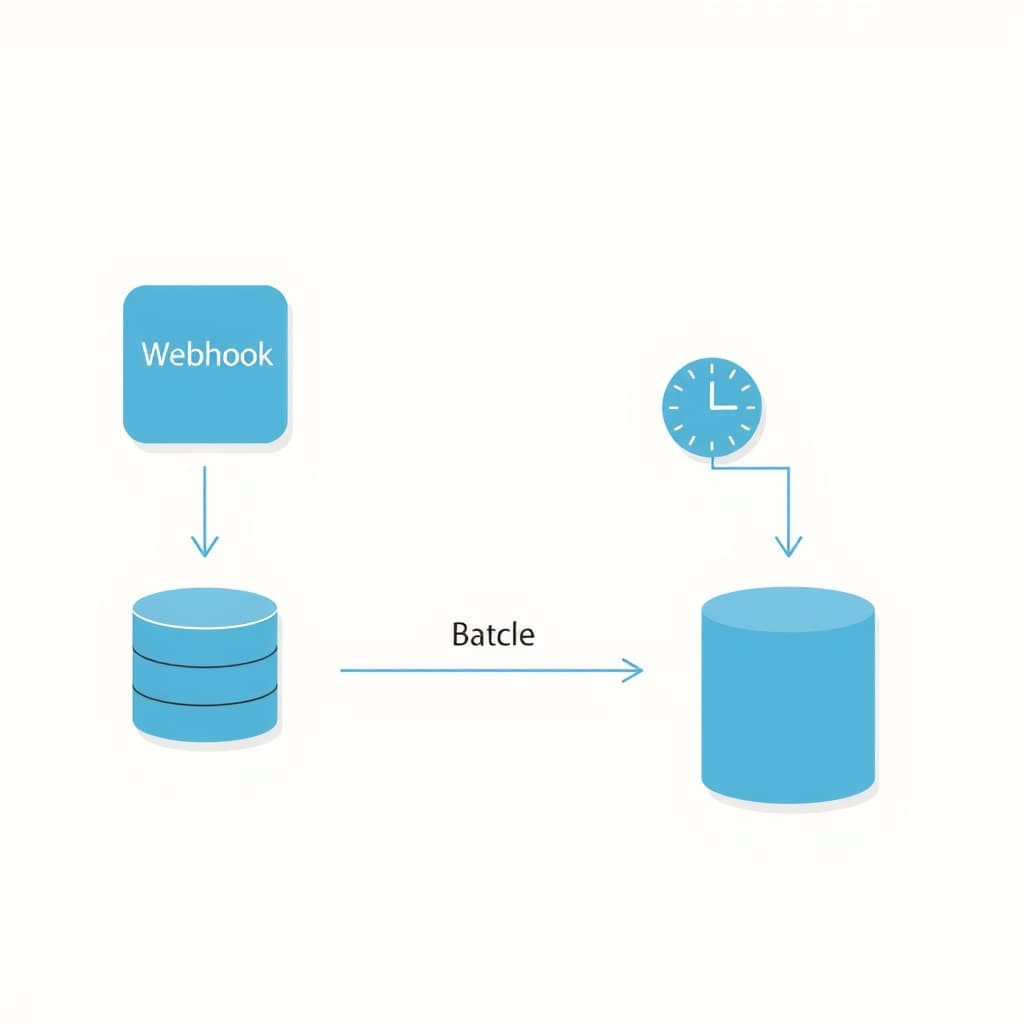
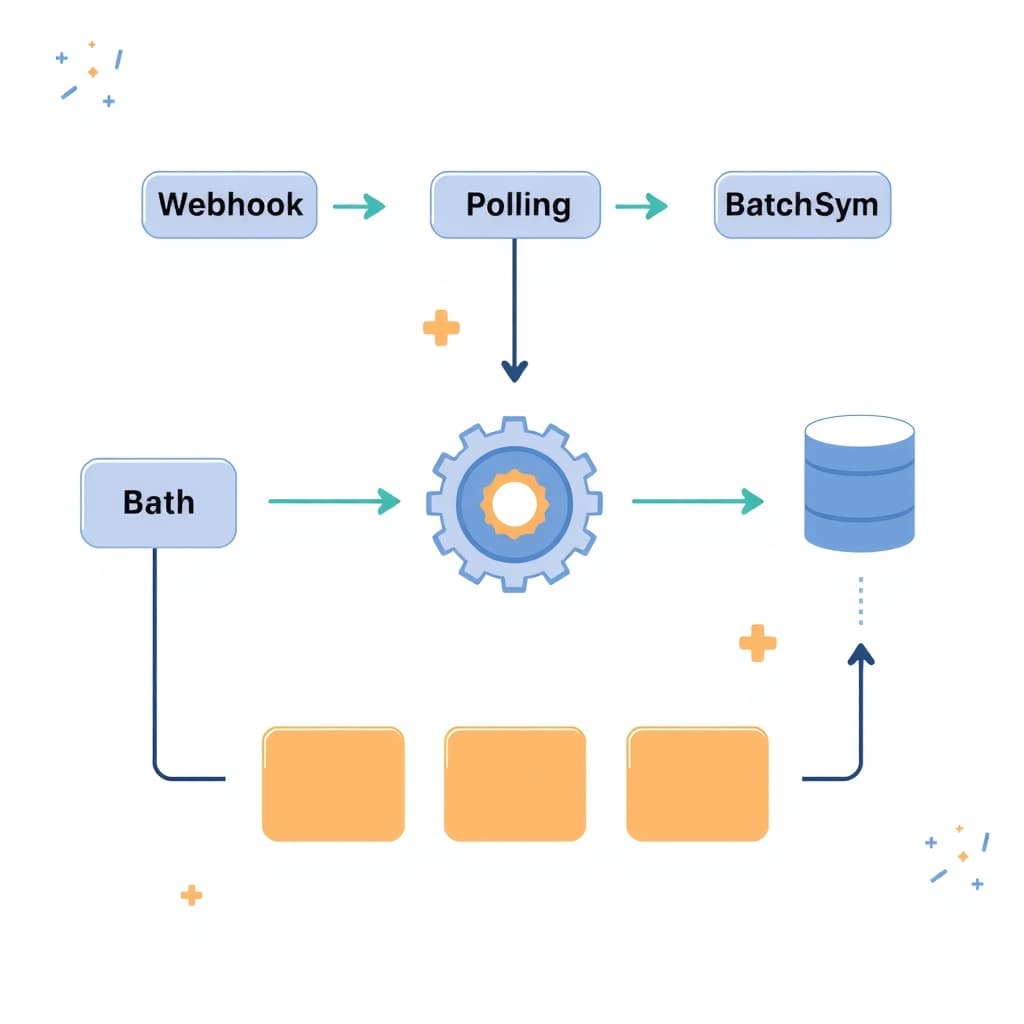
Each integration style has trade‑offs. Webhooks push events in real time, minimizing latency but requiring you to handle out‑of‑order delivery and occasional duplicate payloads. They work best for high‑frequency, low‑volume events like payment confirmations. Polling is simpler to implement—your service periodically asks the provider for updates—but it introduces latency and can increase API costs if the interval is too short. Use polling when the provider lacks webhook support or when you need to enforce strict rate limits. Batch sync aggregates changes and processes them on a schedule, ideal for large data sets such as nightly customer imports. The choice often comes down to the criticality of timeliness versus operational simplicity. A hybrid approach—webhooks for critical events, batch jobs for bulk data—delivers the best of both worlds.
Designing a Central Integration Layer vs Point‑to‑Point Glue
A central integration layer acts as a single source of truth for all external communications. It abstracts third‑party APIs behind internal contracts, allowing your product teams to consume stable interfaces while the layer handles versioning, authentication, and error handling. This approach reduces duplication, simplifies monitoring, and makes it easier to swap providers later. In contrast, point‑to‑point glue embeds API calls directly in feature code, which can speed initial development but quickly spirals into a maintenance nightmare as the number of integrations grows. For growing SaaS companies, investing in a central layer early pays dividends in agility and reliability. If you’re starting small, consider a lightweight façade that can evolve into a full integration platform as you scale.
Handling Third‑Party Outages Gracefully (Back‑off, Queueing, Stale‑Data Strategies)
Outages are inevitable; the goal is to keep your users productive while the external service recovers. Implement exponential back‑off with jitter to space out retries and avoid overwhelming the provider. Pair back‑off with a durable queue (e.g., RabbitMQ, SQS) so failed requests are persisted and retried automatically. For read‑heavy scenarios, consider a stale‑data strategy: serve cached data with a clear “last refreshed” timestamp and surface a non‑intrusive banner indicating that the view may be out of date. This approach maintains workflow continuity without presenting broken UI. Additionally, expose a fallback path—such as manual upload or alternative data source—so critical business processes can continue even when the primary API is down.
Testing and Monitoring Integration Health in Production
Reliability starts in the test suite and continues in production. Write contract tests that validate request/response schemas against a mock of the third‑party API. Use chaos engineering tools to inject latency, errors, and timeouts into your integration layer during staging runs. In production, instrument key metrics: success rate, latency percentiles, retry count, and circuit‑breaker state. Visualize them on an internal ops dashboard and set alerts for threshold breaches. Combine metric alerts with log aggregation to pinpoint failure origins quickly. A robust monitoring stack turns silent degradation into actionable incidents, keeping MTTR low.
Putting It All Together: A Step‑by‑Step Playbook for Building Durable Integrations
- Define contracts. Document request/response formats, idempotency keys, and error codes.
- Choose the transport. Match webhooks, polling, or batch sync to the event’s urgency and volume.
- Implement core patterns. Add idempotency, exponential retries, and circuit breakers to every call.
- Build a central layer. Wrap third‑party calls behind internal services; keep authentication and rate‑limit logic in one place.
- Plan for outages. Queue failed requests, apply back‑off, and decide on stale‑data fallbacks.
- Test rigorously. Run contract and chaos tests before each release.
- Monitor continuously. Track health metrics, set alerts, and review incident post‑mortems.
Following these steps creates a repeatable process that scales as you add new partners. The result is a data pipeline that remains reliable even as traffic spikes and third‑party ecosystems evolve.
Reliability isn’t a one‑off project; it’s an ongoing discipline. If you need expert help to design or audit your integration architecture, our post‑launch support team can plug in fast and keep your systems humming. Ready to future‑proof your data flows? Book a call with SiteFusion today and turn fragile connections into a competitive advantage.