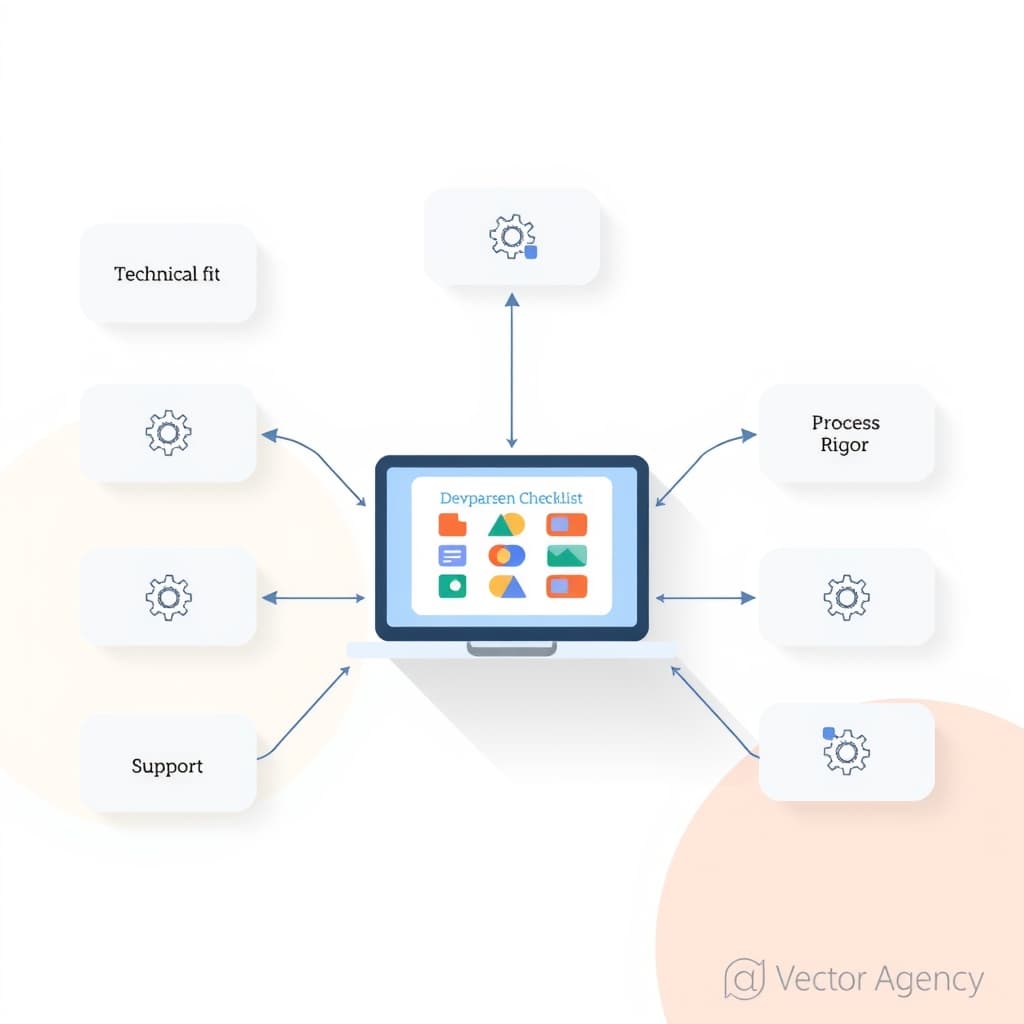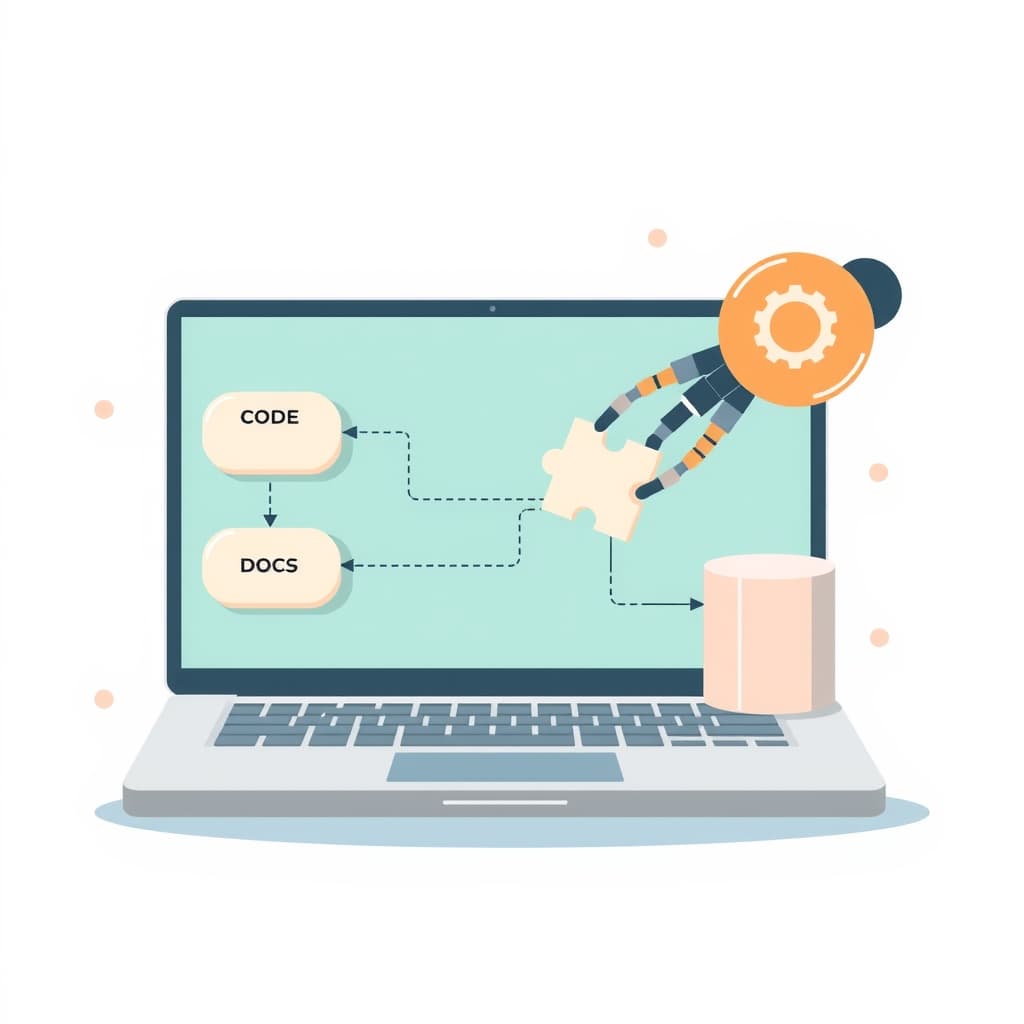
Handing off a product from a development agency to your internal team—or to a new vendor—can feel like moving a live, revenue‑generating engine into a new garage. A well‑crafted dev partner handoff checklist turns that risky maneuver into a predictable process, preserving velocity, protecting code quality, and keeping customers happy. In this guide we walk you through every artifact, conversation, and validation step you need to safeguard your SaaS growth trajectory.
Why a Structured Handoff Matters for Scaling SaaS Products
Scaling SaaS products demand relentless iteration. When the original dev partner steps away, any ambiguity in architecture, data flows, or operational procedures becomes a hidden cost that slows feature delivery and inflates incident response time. A structured handoff creates a single source of truth, aligning engineering, product, and ops around the same expectations. It also reduces the “bus factor” by ensuring that knowledge is documented, not stored in a few senior engineers’ heads. For founders, this translates into faster onboarding of new talent, smoother compliance audits, and a clearer runway for investment. In practice, teams that treat the handoff as a formal project—complete with milestones and sign‑offs—see a measurable drop in post‑handoff bugs and a quicker ramp‑up of internal ownership.
Pre‑handoff: Aligning Scope, Documentation, and Success Metrics
Before any code moves, you must lock down what is being transferred. Re‑visit the original product scope and confirm that all agreed‑upon features, user stories, and integrations are either delivered or explicitly excluded. Compile a master document that lists:
- Feature inventory with status (shipped, in‑progress, deferred)
- Success metrics used during development (KPIs, SLAs, adoption targets)
- Open tickets, technical debt items, and known limitations
Align these items with your internal roadmap to avoid surprise re‑work. This is also the right moment to reference the MVP Scope Validation Checklist for Founder Success to ensure the handoff scope still matches your growth assumptions. A clear, mutually‑signed scope document becomes the baseline against which post‑handoff validation is measured.
Code Quality and Repository Standards Checklist
Code is the heart of any SaaS product; its health determines future speed. Verify that the repository follows your organization’s conventions:
- Branching model: Confirm use of GitFlow, trunk‑based development, or another agreed pattern.
- Commit hygiene: Meaningful messages, signed commits, and no lingering large binary blobs.
- Linting and formatting: Enforced via CI pipelines (e.g., ESLint, Prettier) with zero warnings.
- Test coverage: Unit, integration, and end‑to‑end tests should meet your coverage threshold (typically 70‑80%).
- Dependency management: Up‑to‑date lock files, documented upgrade policies, and a list of any deprecated packages.
Ask the outgoing team to grant you read/write access, transfer ownership of the repo, and provide a walkthrough of the CI/CD pipelines. If you use a monorepo, request a clear map of package boundaries and shared libraries. This checklist reduces the risk of hidden technical debt surfacing later.
Architecture, Infrastructure, and Cloud Configuration Transfer
Beyond code, the runtime environment defines performance, cost, and security. Ensure the following artifacts are handed over:
- Infrastructure as Code (IaC): Terraform, CloudFormation, or Pulumi scripts with version control.
- Environment variables and secrets management: Documented in a vault (e.g., HashiCorp Vault, AWS Secrets Manager) with access policies.
- Network topology: VPC layout, subnets, security groups, and firewall rules.
- Database schemas and migration history: Include backup and restore procedures.
- Third‑party services: API keys, webhook endpoints, and rate‑limit agreements.
Schedule a joint walkthrough of the cloud console to verify that the outgoing partner has removed any orphaned resources that could incur unnecessary spend. For SaaS founders concerned about cost, the LLM Cost Control post offers complementary guidance on monitoring cloud expenses after handoff.
Operational Runbooks: Monitoring, Alerts, and Incident Response
Operational continuity hinges on well‑crafted runbooks. Request the following deliverables:
- Monitoring dashboards: Grafana, Datadog, or CloudWatch views that surface latency, error rates, and business metrics.
- Alerting policies: Thresholds, escalation paths, and on‑call rotation schedules.
- Incident response playbooks: Step‑by‑step guides for common failure modes (e.g., database outage, third‑party API degradation).
- Post‑mortem archive: Recent incident reports with root‑cause analysis and remediation actions.
Cross‑reference these with the Post‑Launch Reliability Checklist for Growing SaaS to ensure nothing is missed. A solid runbook library empowers your ops team to react quickly, keeping SLAs intact during the transition period.
Knowledge Transfer: Training Sessions, Q&A, and Ongoing Support
Documentation alone rarely suffices. Plan a series of live knowledge‑transfer sessions that cover:
- System overview and business context
- Deep dive into critical modules (payment processing, authentication, reporting)
- Hands‑on debugging of a recent production incident
Allocate time for an open Q&A where your engineers can probe edge cases. Capture these sessions on video and store them alongside the written docs. Additionally, negotiate a short‑term support window—typically 2‑4 weeks—during which the outgoing partner remains on‑call for escalations. This “shadow period” dramatically reduces the learning curve and prevents knowledge gaps from turning into production outages.
Legal and Financial Close‑out: Contracts, IP, and Billing Review
Even the most technical handoff can be derailed by unresolved legal matters. Conduct a checklist that includes:
- Intellectual property assignment: Verify that all source code, designs, and documentation are transferred to your company.
- Contract termination clauses: Confirm notice periods, non‑compete terms, and any remaining deliverables.
- Outstanding invoices: Reconcile time‑and‑material charges, milestone payments, and any refunds.
- Compliance attestations: GDPR, SOC 2, or industry‑specific certifications that may affect ownership.
Having these items signed off protects you from future disputes and ensures that the new vendor—or your internal team—has a clean legal foundation to continue development.
Post‑handoff Validation: Smoke Tests, Acceptance Criteria, and Sign‑off
Once the code and environment are in your hands, run a predefined validation suite before declaring the handoff complete. Include:
- Smoke tests: Automated checks that verify core user flows (login, data entry, reporting).
- Performance benchmarks: Response time and throughput measurements against pre‑handoff baselines.
- Acceptance criteria checklist: Each item from the pre‑handoff scope document must be marked “passed” or “deferred with justification.”
Document the results in a sign‑off form signed by both the outgoing partner’s technical lead and your internal product owner. This formal acceptance provides a clear audit trail and a shared understanding of any remaining work.
Conclusion & Next Steps: Leveraging the dev partner handoff checklist to Reduce Risk and Accelerate Growth
The transition from an external dev partner to internal ownership is a pivotal moment for any growing SaaS. By following this comprehensive dev partner handoff checklist, you turn a potential disruption into a controlled, repeatable process that safeguards code quality, operational stability, and legal clarity. Use the checklist as a living document—update it after each handoff to capture lessons learned and continuously improve your handover playbook.
Ready to put this checklist into practice? Our post‑launch support team can help you audit the handoff, run validation tests, and ensure a smooth knowledge transfer. For a broader view of how to select and manage development partners, see our pillar guide on hiring a dev partner. When you’re prepared to accelerate growth without risking stability, book a call with SiteFusion today.