Choosing the right development partner is only half the battle; the other half is understanding the dev partner pricing models that will shape your budget, timeline, and risk exposure. Whether you’re launching a B2B portal, automating internal workflows, or scaling a multi‑tenant SaaS, the pricing structure you agree on determines how flexible you can be when requirements evolve. This guide walks you through the most common models, shows how to align them with your project scope, and highlights the red flags to watch for in partner proposals.
Why Understanding dev partner pricing models Matters for Your Project
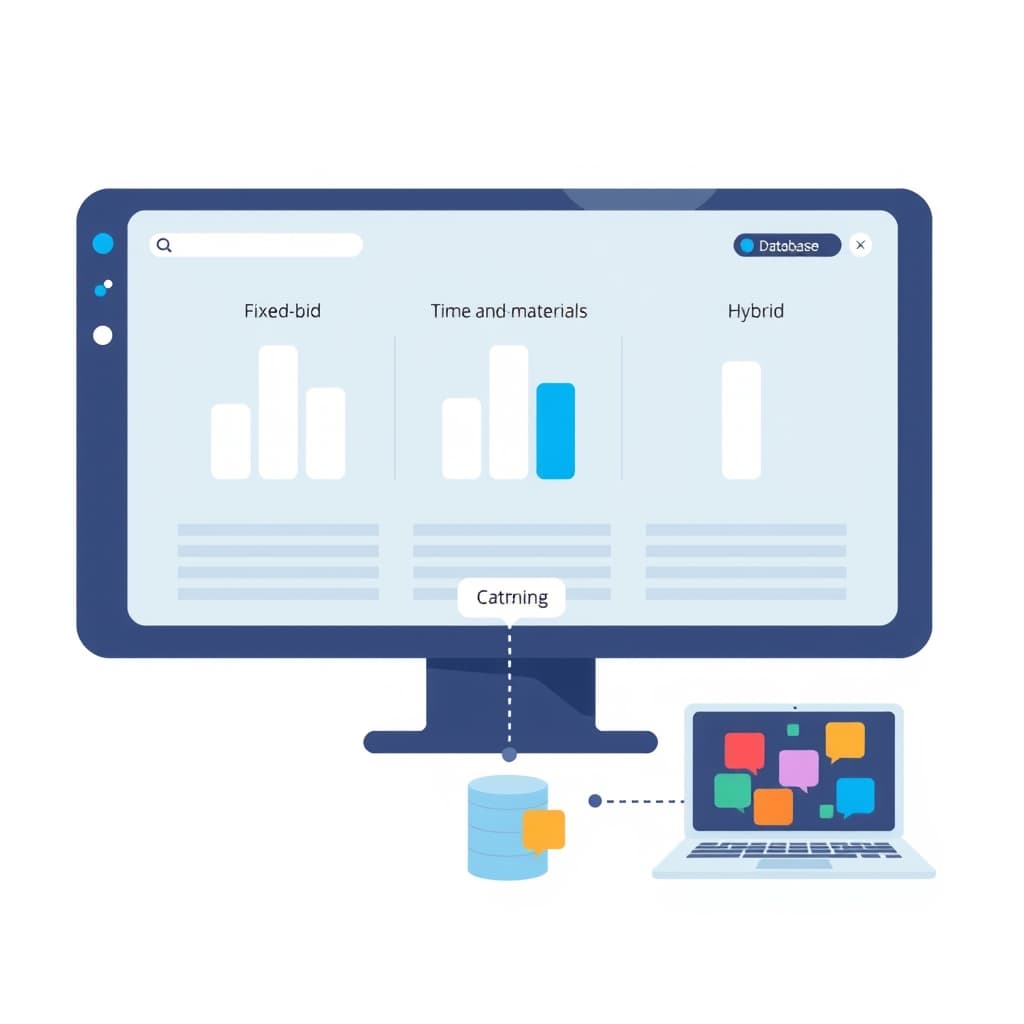
Every software initiative starts with an idea, but it quickly runs into the reality of limited resources. A clear pricing model translates that idea into a predictable cost curve, helping founders and product leaders set realistic milestones and secure stakeholder buy‑in. Fixed‑bid contracts give you a hard ceiling, which is comforting for budget‑constrained teams, while time‑and‑materials (T&M) offers the agility needed when the scope is fluid. Hybrid approaches try to capture the best of both worlds, but they require disciplined governance. By grasping the trade‑offs early, you avoid surprise invoices, protect your runway, and keep the focus on delivering value rather than negotiating invoices.
Fixed‑Bid Pricing: Benefits, Drawbacks, and When It Works
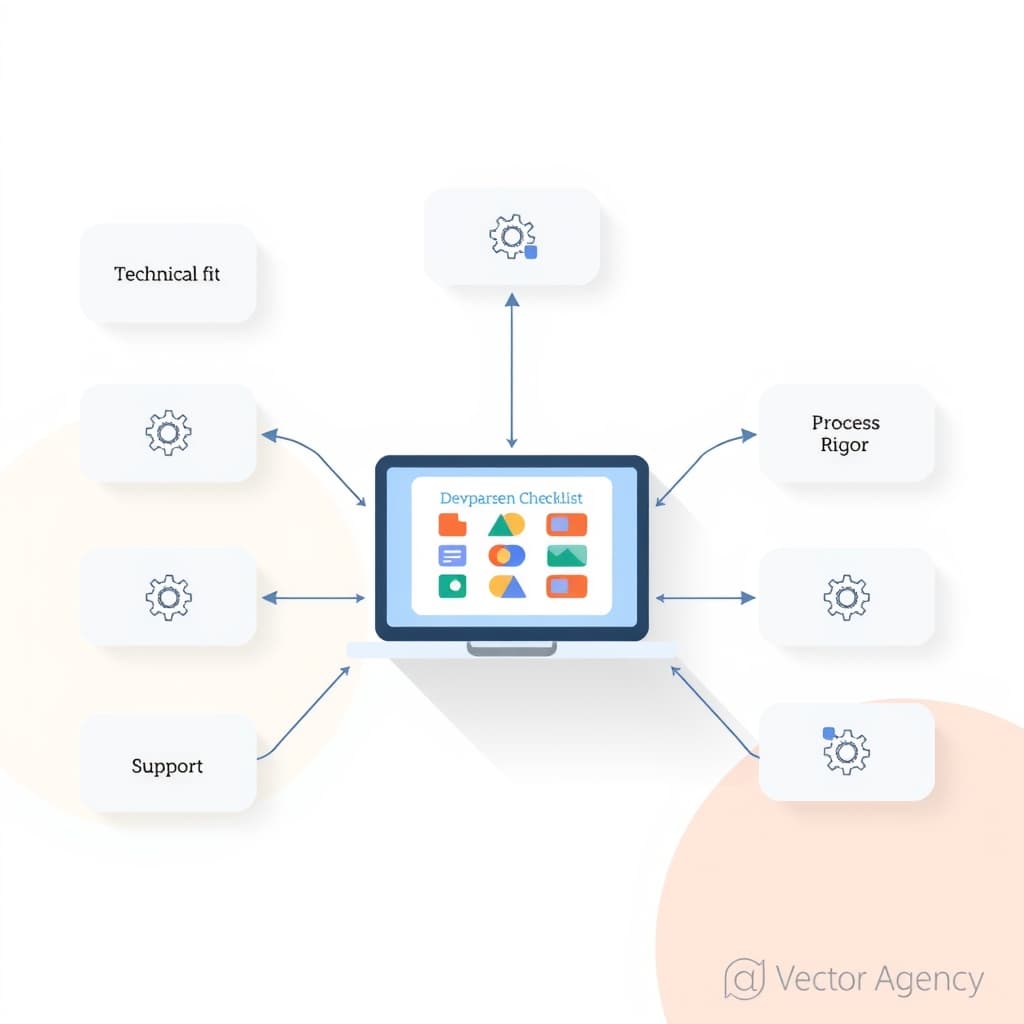
Fixed‑bid pricing locks the total cost upfront based on a defined scope and timeline. The main benefit is cost certainty; you know exactly what you’ll pay, which simplifies budgeting and board approvals. It also incentivizes the partner to work efficiently, since any overruns are absorbed by them. However, the model can become risky if requirements shift—change orders can be costly, and the partner may cut corners to protect margins. Fixed‑bid works best for well‑scoped projects where the functional specifications are stable, such as a customer portal built from a detailed Design Handoff Checklist. If you have a clear MVP defined in the Ultimate MVP Scoping Checklist, a fixed‑bid can accelerate negotiations and get you to market faster.
Time‑and‑Materials (T&M): Flexibility vs. Cost Control
Under T&M, you pay for the actual hours and resources consumed. This model shines when the problem space is exploratory, such as integrating a new AI feature or building a custom internal dashboard. You gain the freedom to iterate, reprioritize, and incorporate feedback without renegotiating the contract each time. The downside is the potential for budget creep; without strong project management, hours can balloon. To keep costs in check, establish clear daily or weekly reporting, set a not‑to‑exceed (NTE) cap, and define regular review points. T&M is ideal for projects that rely on rapid experimentation, like an AI Feature Rollout Checklist, where learning speed outweighs upfront cost certainty.
Hybrid Models: Combining Fixed‑Bid and T&M for Risk Mitigation
Hybrid models split the project into phases: a fixed‑bid discovery or design phase followed by a T&M execution phase. This approach lets you lock in costs for high‑certainty work—requirements gathering, UI/UX design, and architecture—while preserving flexibility for development where unknowns are inevitable. It also creates natural decision gates: after the fixed‑bid phase, you reassess scope, budget, and timeline before committing to the next stage. Hybrid contracts work well for complex B2B SaaS platforms that need a solid foundation but will evolve based on early customer feedback. The key is to define clear handoff criteria and maintain transparent change‑order processes to avoid scope creep.
How to Map Your Project Scope to the Right Pricing Model
Start by categorizing features into three buckets: must‑have, nice‑to‑have, and future. If the must‑have list is concrete and can be fully described, a fixed‑bid is a natural fit. For nice‑to‑have items that depend on user testing or regulatory changes (e.g., GDPR compliance), allocate a T&M buffer. Future enhancements can be scoped as separate fixed‑bid phases or tackled under a hybrid arrangement. Use the hiring a dev partner guide to benchmark partner capabilities and align them with your risk tolerance. Mapping scope this way clarifies expectations, reduces negotiation friction, and ensures the pricing model supports your delivery cadence.
Red Flags in Partner Proposals and How to Spot Hidden Costs
Even seasoned partners can slip in ambiguous language. Watch for vague deliverable definitions, “as‑needed” support clauses, and undefined change‑order processes. Hidden costs often hide behind “third‑party licenses,” “infrastructure overhead,” or “post‑launch support” that is not explicitly priced. A proposal that lists a low base rate but adds a “maintenance surcharge” after launch should raise eyebrows. Verify that the proposal includes a detailed breakdown of labor rates, estimated hours, and a clear escalation path for scope changes. Cross‑reference the partner’s portfolio at our portfolio to see real‑world examples of transparent pricing.
Negotiating Terms: Milestones, Change Orders, and Payment Schedules
Effective contracts break work into measurable milestones tied to tangible outcomes—design mockups, API integration demos, or a functional beta. Align payments with these milestones to protect cash flow and incentivize timely delivery. Define a change‑order process that requires written approval, a cost impact analysis, and a revised timeline before any work begins. For T&M, negotiate a cap or a discount tier after a certain number of hours to prevent runaway costs. Include a clause for post‑launch support, referencing our post‑launch support service, so you know exactly what’s covered after go‑live.
Transitioning Between Models Mid‑Project: Do’s and Don’ts
Projects rarely stay static; you may need to shift from fixed‑bid to T&M if new requirements emerge. Do conduct a formal scope reassessment, document the rationale, and agree on a revised budget and timeline before work resumes. Don’t simply add “extra work” to the existing contract without a clear change‑order; this creates disputes later. If moving to a hybrid model, lock the completed phases under the original terms and negotiate the remaining work with transparent hourly rates. Maintain open communication with the partner’s project manager and keep stakeholders updated to preserve trust.
Conclusion & Next Steps: Choosing a Partner and Setting Up a Transparent Pricing Framework
Understanding dev partner pricing models equips you to match the right contract to your project’s certainty, complexity, and growth ambitions. Start by mapping your scope, flagging potential hidden costs, and selecting a model that balances predictability with flexibility. Once you’ve narrowed down candidates, use the guidelines above to negotiate clear milestones, change‑order procedures, and payment terms. A transparent pricing framework not only protects your budget but also fosters a collaborative partnership that can adapt as your product evolves.
Ready to discuss the best pricing model for your next build? Book a call with SiteFusion and let us help you turn your vision into a reliable, scalable solution.